BCH Africa Border Crossings in Senegal

Senegal

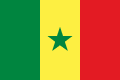
Senegal flag

Senegal's border crossings connect major regional highways with quieter rural routes, giving overland travelers several different experiences. Seasonal traffic, freight movement, and local road conditions all contribute to the rhythm of crossing the border by land.

14

Border Crossings

Listed in BCH

Capital

Dakar

Time Zone

UTC

Senegal

Understanding Senegal

Senegal’s border crossings are shaped by its coastal plains, river systems, and semi arid inland regions. It shares borders with Mauritania, Mali, Guinea, and Guinea-Bissau, while surrounding Gambia. Crossings range from busy trade routes to smaller rural posts, often located near rivers or transport corridors. Seasonal rains can affect southern routes, while northern crossings remain drier and more exposed.

Border Map

Quick Information

Capital Dakar
Official Language French
Currency West African CFA Franc (XOF)
Calling Code +221

Quick Information

Capital Dakar
Official Language French
Currency West African CFA Franc (XOF)
Time zone UTC
Calling code +221

Travel Tip

Senegal combines Atlantic coastline with wide savannah and semi arid landscapes, so the scenery changes gradually as you travel inland. French is the official language, while Wolof is widely spoken, and learning a simple greeting is often met with a warm smile.

Border Crossings in Senegal

Browse border crossings connecting Senegal with its neighbouring countries.

14 crossings

Border crossings will load when this tab is opened.

Crossing Tip

Senegal combines Atlantic coastline with wide savannah and semi arid landscapes, so the scenery changes gradually as you travel inland. French is the official language, while Wolof is widely spoken, and learning a simple greeting is often met with a warm smile.