Monthly Update (September 2026):
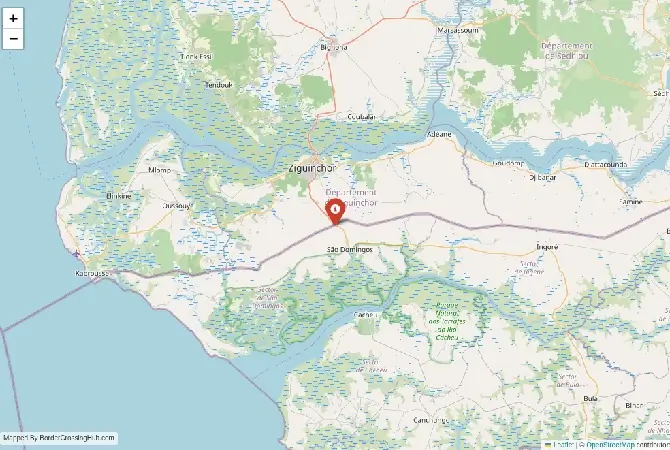
Mpack & São Domingos remains the main road gateway between southern Senegal and Guinea-Bissau, and the frontier is seeing increased attention to security and infrastructure. Senegal and Guinea-Bissau established a joint patrol schedule in August to strengthen security along their shared border, with patrols based on identified priority areas. Senegal is also building a new border police post at Mpack, a 500-million-CFA project launched in April with construction scheduled over ten months. The project is not a reported closure, but travelers may encounter more visible security activity around the crossing.
About this crossing
You’ll often hear this crossing referred to simply as the Mpack Border or São Domingos Gate. It is one of the main overland routes between the two countries and sees a steady mix of traders, locals, and overland travelers moving through daily.
A Region Shaped by Colonial Lines
The boundary here reflects colonial divisions between French West Africa and Portuguese Guinea. Senegal, once under French rule, still uses French as its official language, while Guinea-Bissau retains Portuguese from its colonial past. That difference becomes obvious the moment you deal with border officials or signage.
Nearby Border Crossings


Casamance itself has a complex history. Though part of Senegal, it has experienced periods of separatist tension, which historically affected travel routes. While conditions have stabilized in recent years, you should still stay updated on local developments before traveling through the area.
On the Guinea-Bissau side, São Domingos developed as a trading post rather than a major administrative center. Even today, it feels more like a frontier town than a structured border hub.
Crossing Procedures and What to Expect
The process at Mpack–São Domingos is fairly straightforward, but it requires patience and attention to detail. You’ll first exit Senegal through immigration in Mpack, then proceed a short distance to the Guinea-Bissau post in São Domingos.
Visa requirements depend on your nationality. Guinea-Bissau often requires visas for foreign visitors, and while visas on arrival have been reported, you should not rely on this without confirming in advance through official sources. Senegal, on the other hand, offers visa-free access to many nationalities.
Expect multiple checkpoints. Officials may ask for:
- Passport and visa
- Yellow fever vaccination certificate
- Travel details or onward plans
Processing times vary. On quiet days, you might complete everything in 20 to 30 minutes. During bus arrivals or market days, waits can stretch beyond an hour.
Opening Hours and Timing Your Arrival
This border is not open 24 hours. Typically, operations run from early morning until early evening, roughly between 7:00 AM and 6:00 PM, though this can shift slightly depending on staffing and local conditions.
Arriving earlier in the day is a safer choice. Late arrivals risk being turned back or forced to stay overnight in basic accommodations near the border.
Seasonal factors also matter. During the rainy season, which usually runs from June to October, roads can become muddy and slow, adding unpredictable delays to your journey.
Roads, Transport, and Getting There
Approaching Mpack from Senegal usually means traveling through Ziguinchor, the largest city in Casamance. The road from Ziguinchor to the border is paved but can have rough sections, especially after heavy rains.
From the Guinea-Bissau side, São Domingos connects onward to Bissau via a mix of paved and unpaved roads. Transport options include shared taxis and minibuses, though schedules are loose and often depend on passenger demand.
If you are traveling overland:
- Shared taxis are the most common option
- Private vehicles give you more flexibility but require careful planning
- Motorbike taxis operate locally but are not ideal for long distances with luggage
Fuel availability and vehicle condition can be inconsistent, so planning ahead is essential.
Scams & Warnings
This crossing has a reputation for petty corruption and opportunistic scams, so staying alert is important.
You may encounter:
- Requests for unofficial “fees” during passport checks
- Currency exchange offers at poor rates
- Individuals offering to “assist” with paperwork for a fee
Stick to official counters and avoid handing over money unless you receive a clear, official receipt. If something feels unclear, politely ask for clarification rather than agreeing immediately.
Anecdotally, some travelers report being asked for small payments to speed up the process. While this is not universal, being prepared for such situations helps you handle them calmly.
Cultural Shift Across the Border
Crossing from Senegal into Guinea-Bissau brings noticeable changes. Language is the most immediate: French gives way to Portuguese, along with Crioulo, a widely spoken local creole.
Currency changes as well. Senegal uses the West African CFA franc, while Guinea-Bissau also uses the CFA franc, but availability of ATMs and banking services becomes more limited once you cross.
Religious and cultural dynamics remain broadly similar, with strong Muslim communities on both sides, but you may notice differences in architecture, music, and daily routines.
Nearby Stops Worth Your Time
Before or after crossing, you have a few worthwhile places to explore.
On the Senegal side, Ziguinchor offers a relaxed riverside setting, colonial-era buildings, and access to Casamance’s beaches and villages.
On the Guinea-Bissau side, continuing toward Bissau opens up access to the Bijagós Archipelago, known for its wildlife and remote islands.
These are not quick detours, but if you are already in the region, they add depth to your journey.
Weather and Seasonal Impact
The climate here is tropical, with a distinct wet and dry season. During the dry months, roads are easier to manage, and travel is more predictable.
In the rainy season:
- Roads can flood or become muddy
- Travel times increase significantly
- Border activity may slow down
Humidity also rises, making long waits more uncomfortable. Carry water and basic supplies if you expect delays.
Practical Tips for a Better Experience
Preparation makes a noticeable difference at this crossing.
Bring:
- Multiple passport copies
- Small denominations of cash
- A pen for filling out forms
Dress modestly and remain patient during interactions. Border officials appreciate respectful communication, even when processes feel slow.
Connectivity is limited, so do not rely on mobile data for navigation or translation once you are near the border.
Why This Crossing Matters
Despite its modest infrastructure, the Mpack–São Domingos crossing plays an important role in regional trade and movement. It connects Casamance with Guinea-Bissau’s northern regions and serves as a route for goods ranging from agricultural products to everyday supplies.
For overland travelers, it offers a direct path between two culturally distinct parts of West Africa without needing to detour through The Gambia.
Final Notes
This crossing is manageable with preparation, but it is not one to approach casually. Check visa requirements in advance, arrive early, and keep expectations realistic when it comes to timing and procedures.
If you stay attentive and organized, the transition between Mpack and São Domingos becomes a memorable part of your journey through West Africa rather than a frustrating obstacle.
View all border crossings between Senegal and Guinea-BissauPractical information
Fuel
Senegal: <1 km - Guinea-Bissau: <1 km
Currency
XOF,CFA at stalls
Safety information
Generally calm, light congestion
Connectivity
3G/4G mobile coverage
Have you crossed here?
Help other travelers by sharing your experience, wait times, and any updates.