Monthly Update (September 2026):
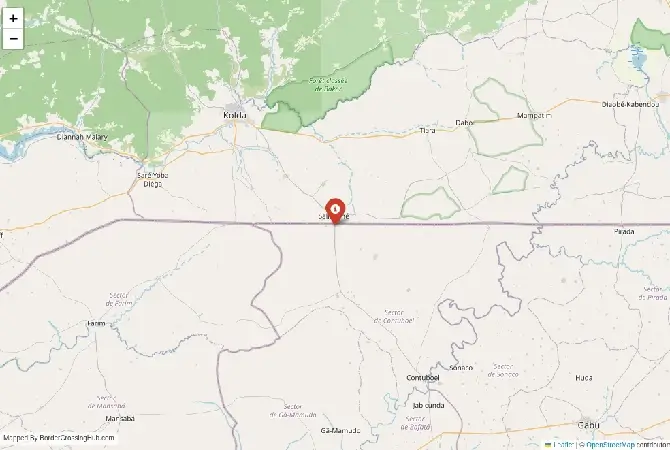
Cambaju and Selikenie remains a minor Senegal-Guinea-Bissau frontier route, with no specific September closure identified. Senegal and Guinea-Bissau are increasing coordination along their common border, with a joint-patrol calendar established in August based on security threats and priority areas. That does not indicate that this crossing is closed, but travelers using remote routes should expect that security checks may be more noticeable than in the past. Limited road infrastructure remains a more important practical consideration than queues.
About this crossing
This is a low traffic crossing, often used by locals rather than international travelers, which shapes the overall experience.
Historical Context and Regional Dynamics
The border here reflects colonial divisions between French controlled Senegal and Portuguese controlled Guinea-Bissau. When Guinea-Bissau gained independence in 1973, this line became a formal international boundary, although communities on both sides had long been connected through trade and family ties.
Nearby Border Crossings



Casamance has also experienced periods of unrest linked to separatist movements. While the situation has improved over time, the region still carries a reputation that can concern travelers. You should stay updated on current conditions before planning your crossing, as circumstances can shift.
First Impressions at the Border
Arriving in Selikenie, you will likely find a very modest checkpoint with limited infrastructure. Buildings are simple, and the number of officials on duty may be small. Traffic is usually light, often limited to motorbikes, bicycles, and occasional shared vehicles.
Crossing into Cambaju, the setup remains basic. You may notice fewer formal structures and a more informal approach to procedures. Do not expect clear directions or signage; you will need to ask where to go for each step.
Crossing Procedures and Wait Times
You begin with exit formalities on the Senegal side. This typically involves presenting your passport and receiving an exit stamp. The process is usually straightforward, though delays can occur if officers are not immediately available.
On the Guinea-Bissau side, entry procedures can take longer. Officials may carefully check your documents and ask questions about your travel plans. Wait times vary widely. You might complete the crossing in under 30 minutes, or it could take over an hour if there are complications or multiple travelers.
Electricity and system reliability can affect processing times, so patience is essential.
Visa Requirements and Documentation
For Guinea-Bissau, most foreign travelers need to arrange a visa in advance. This crossing is not a reliable place to obtain one on arrival. You should have your visa ready before reaching Cambaju.
Senegal offers visa free entry to many nationalities for short stays, but you should confirm your eligibility before traveling. Border officers may request additional documentation, such as proof of onward travel or accommodation.
Carry printed copies of your passport and visa. These can be useful if officials need to retain a copy for records.
Road Conditions and Getting There
Reaching Selikenie often involves traveling on rural roads that can vary in quality. During the dry season, conditions are generally manageable, though some sections may be uneven. In the rainy season, roads can become muddy and difficult to pass.
On the Guinea-Bissau side, the road from Cambaju is typically less developed. Expect rough surfaces, potholes, and slower travel speeds. A sturdy vehicle is recommended if you are not relying on local transport.
Transport options are limited. Shared taxis and minibuses operate irregularly, and departures often depend on demand rather than fixed schedules.
Scams & Warnings
You should approach this crossing with caution. The Casamance region has experienced instability in the past, and while many areas are now calm, conditions can change. Checking current travel advisories before your trip is strongly recommended.
Scams can occur, particularly involving unofficial fees. Individuals may offer assistance with paperwork and later request payment. Stick to dealing directly with uniformed officials and ask for clarification if any charges seem unclear.
Keep your belongings secure and avoid displaying valuables. The remote nature of the crossing means limited support if problems arise.
Seasonal Factors and Travel Timing
Weather plays a major role in how easily you can cross here. The rainy season can make roads difficult or even temporarily impassable. Flooded areas and mud can significantly increase travel times.
In the dry season, conditions improve, but heat and dust can make the journey tiring. Border posts may operate more slowly during peak heat hours.
Crossing earlier in the day can help reduce delays and avoid potential disruptions later on.
Local Communities and Daily Life
The areas around Selikenie and Cambaju are shaped by agriculture and small scale trade. You will see rice fields, small farms, and local markets where goods are exchanged across the border.
Communities on both sides share cultural and linguistic ties. Languages such as Mandinka and Fulani are widely spoken, alongside French in Senegal and Portuguese or Crioulo in Guinea-Bissau.
Facilities near the border are minimal. You should not expect ATMs, reliable internet, or a wide range of food options.
Economic Role of the Crossing
Although quiet, this crossing supports local economies by allowing the movement of goods and people. Trade is often informal, with agricultural products and everyday items passing between the two countries.
The relaxed atmosphere reflects these local connections, but it can also mean less consistency in how procedures are applied.
Practical Tips for Crossing
Preparation is key. Bring sufficient cash, as electronic payments are not available. Keep your documents organized and ready for inspection.
Dress modestly and remain respectful when interacting with officials. If something is unclear, ask questions calmly rather than making assumptions.
Allow extra time in your travel schedule. Delays are part of the experience at remote crossings like this one.
Final Notes
The Selikenie–Cambaju crossing offers a look into a quieter and less developed part of West Africa. You will encounter basic infrastructure, variable road conditions, and a need for patience, but also a setting shaped by strong local connections. With careful planning and awareness of potential challenges, you can handle the crossing without unnecessary difficulty.
View all border crossings between Senegal and Guinea-BissauPractical information
Currency
XOF,CFA limited
Safety information
Remote, minimal services
Connectivity
Limited mobile coverage (2G/3G)
Have you crossed here?
Help other travelers by sharing your experience, wait times, and any updates.