Monthly Update (September 2026):
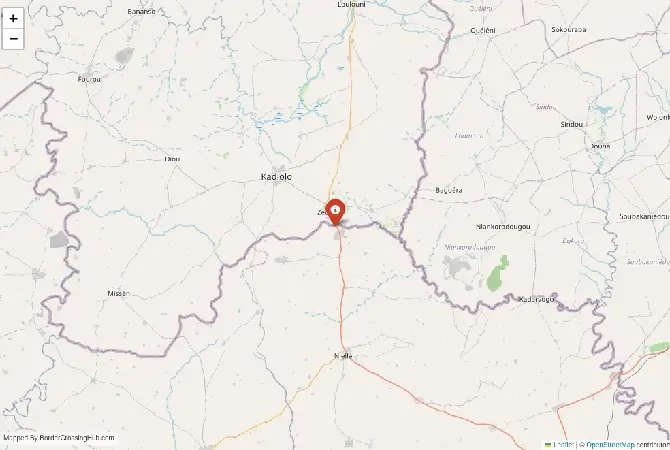
Pogo & Zégoua remains the main Côte d'Ivoire-Mali land corridor and has been the focus of an important bilateral border project this year. In late August, the two countries agreed on the definitive route of their 532-kilometre common border, following technical reconnaissance in the Pogo-Zégoua area in April. The agreement now moves toward a formal delimitation treaty and future installation of border markers. This is a long-term border-management development rather than a new restriction on travelers, and there is no significant September closure reported.
About this crossing
Pogo sits on the Ivorian side in the Bagoué Region as a functional border town. Zégoua lies directly across on the Malian side. The posts stand a short distance apart with a clear no-man's-land area between them. From Korhogo or Ferkessédougou in Ivory Coast, shared transport reaches Pogo in several hours along the main northbound road. Once cleared, Zégoua connects quickly onward to Sikasso. The surrounding area features savanna landscapes with farmland, scattered trees, and the flat terrain typical of this Sahel-edge zone.
Historical Background
This border has supported trade for many years between the two neighbors, with goods like agricultural produce, fuel, and consumer items moving regularly. The area forms part of broader corridors linking coastal ports to landlocked Mali.
Nearby Border Crossings


In past decades, occasional tensions arose from regional instability, including conflicts in northern Mali that affected cross-border movement. Ivory Coast has reinforced security along its northern borders in response to security threats and refugee flows from Mali, especially noticeable in late 2025 when officials noted unusual influxes and tightened controls. The crossing itself handles both local traffic and longer-distance trade, reflecting the practical ties that persist despite occasional disruptions.
Crossing Procedures
You complete exit formalities on the departure side before entering the next country. From Ivory Coast to Mali, clear Ivorian immigration and customs at Pogo, cross the short zone, then handle Malian entry at Zégoua. The process works the same in reverse.
Foreign visitors need a valid passport. Visa requirements depend on your nationality. Mali generally requires a visa in advance for most travelers, with limited on-arrival options at land borders. Ivory Coast offers simpler entry or exemptions for many. Officials check yellow fever vaccination proof on both sides, as it remains mandatory for entry into Mali. Expect passport stamps, possible bag or vehicle inspections, and questions ## About your plans. Have small amounts of CFA francs ready for any minor official fees.
The setup uses separate facilities on each side. Keep all documents organized and ready.
Wait Times and Seasonal Factors
The full process often takes 30 minutes to two hours under normal conditions. Early mornings usually bring shorter lines before trader traffic increases. Afternoons or days with higher commercial activity can extend waits.
Rainy season from around May to October can slow approach roads with mud or flooding, which indirectly adds time to queues. Dry months offer steadier flow but bring heat and dust. Multiple checkpoints on roads leading to Pogo create repeated document checks. Some travelers clear everything quickly when arriving prepared, while others face longer delays due to vehicle searches or paperwork. In periods of heightened security or refugee movements, processing may take more time. Plan extra buffer, especially with onward connections.
Transportation Options
Shared taxis, minibuses, or buses run from major Ivorian hubs like Bouaké or Korhogo to Pogo for reasonable fares and take several hours. The roads include paved sections with some rougher parts and occasional truck traffic. On the Malian side from Zégoua, shared vehicles continue toward Sikasso and beyond.
Motorcycle taxis sometimes cover the immediate border area for a small fee. Road conditions remain relatively good along this corridor compared to more remote routes, though potholes and heavy vehicles appear in places. Many travelers complete segments between major towns in one day when starting early. Independent travel gives flexibility on this well-used link.
Scams & Warnings
This crossing sees occasional unofficial payment requests, particularly around vehicle papers or stamps. Reports mention customs officials on one side suggesting higher fees after certain hours or for specific services. Touts may offer assistance with forms for extra cash. Security measures have increased in recent years due to regional instability, leading to more checks that can feel thorough.
Stick to official buildings and uniformed staff. Decline unsolicited help near immigration zones. Money changers at the border often provide poor rates; handle exchanges in Pogo or Zégoua town instead. Keep valuables secure, travel in daylight when possible, and avoid displaying large amounts of cash. Travelers have described experiences with surprise costs or pressure during inspections; ask calmly for clarification or receipts if demands seem irregular. The area mixes regular trade with some informal activity, and heightened border security adds another consideration. Staying patient and aware helps you move through without extra issues.
Nearby Attractions and Local Life
Pogo functions as a typical border town with markets, basic accommodations, food stalls, and services for traders and travelers. You find fresh produce and everyday items in the local market. Zégoua on the Malian side serves mainly as a transit point with limited extra facilities but connects to small communities.
The savanna scenery along the roads offers open views and rural scenes. Most people treat the crossing as a practical stop rather than a destination, yet the border towns give a real sense of daily cross-border life with its mix of languages, goods, and people moving between the two countries.
Practical Travel Tips
Prepare documents early: passport with enough validity, yellow fever vaccination card, and any required visa or proof of onward travel. Carry small-denomination CFA francs for transport and possible fees. Dress simply and stay patient through the sequence of checks and security questions.
Research current road and security conditions before departure, as they can shift with events or weather. Travel during daylight hours to avoid complications on northern routes. If driving your own vehicle, confirm all papers and insurance cover both countries. Bring water and snacks because waits or minor delays can extend your day.
In rainy periods, allow more time and choose transport suited for potential poor surfaces. Groups sometimes share taxis for lower costs and added safety. Check official embassy or government sources for the latest entry rules, which can update without much notice.
Planning Your Crossing
The Pogo-Zégoua border remains a key northern link between Ivory Coast and Mali, handling trade and traveler flows amid ongoing security concerns in the region. Give yourself enough time, verify visa and entry details from official channels shortly before travel, and interact directly with staff at every step.
Many locals and traders cross regularly for commerce and family visits. Your own experience depends on timing, road state, and how you manage the procedures. Review conditions close to your trip date because security measures or refugee movements can introduce temporary changes. With careful preparation, you clear the formalities and continue your journey along this West African overland corridor.
View all border crossings between Ivory Coast and MaliPractical information
Fuel
Ivory Coast: <1 km - Mali: <1 km
Currency
XOF,CFA exchangers
Safety information
Busy cargo crossing
Connectivity
Mobile coverage; 3G/4G
Have you crossed here?
Help other travelers by sharing your experience, wait times, and any updates.