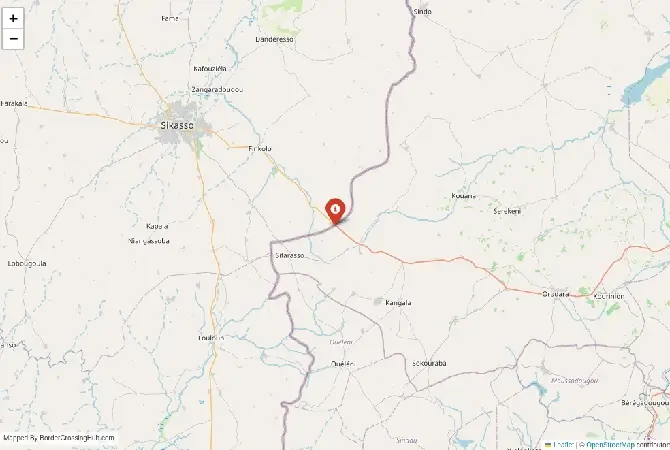
Monthly Update (September 2026):
Heremakono and Koloko remains a remote Burkina Faso-Mali crossing where security is a much bigger consideration than border queues. Burkina Faso has recently invested in strengthening border governance and security in the wider Koloko area, including new infrastructure and equipment delivered to border communities in June. There is no reliable September reopening or closure to report, but travelers should not assume that a minor frontier route will operate like a normal tourist crossing. The surrounding security situation can affect movement with little notice.
About this crossing
Position and links
Heremakono sits in Mali’s Sikasso region while Koloko lies just across in Burkina Faso’s Hauts-Bassins area. The border area features farmland, small villages, and patches of woodland typical of the transition zone. From the Malian side you connect toward Sikasso and further routes. On the Burkinabé side roads lead to Bobo-Dioulasso. This point works well for those combining travel in both countries without sticking to coastal paths. Markets in both towns stay active with daily cross-border activity.
Background details
The frontier stems from colonial divisions, with a 1986 International Court of Justice decision helping resolve some boundary questions. Communities here share ethnic links and move regularly for trade in crops like cotton, mangoes, and cashews plus livestock. Recent years have seen talks on joint facilities and cooperation, though broader regional instability influences how the post operates day to day.
Nearby Border Crossings
Operating schedule
The post generally opens during daylight hours, often from around 7 or 8 AM until 5 or 6 PM. Exact hours can vary with staffing levels or local conditions, so plan to arrive with plenty of daylight left. Both countries run on the same time zone, which removes one scheduling complication. Stick to this official point rather than informal alternatives.
Moving from Mali into Burkina Faso
Begin at Heremakono with Malian exit formalities. Officials review passports and vehicle papers if applicable. Then cross the short distance to Koloko for Burkinabé entry. Burkina Faso provides visa exemptions or on-arrival options for many nationalities for short stays. Have your yellow fever certificate ready along with proof of onward travel if requested. Processing covers immigration, health, and customs steps.
Entering Mali from Burkina Faso
Clear exit at Koloko first. Move across and handle Malian entry at Heremakono. Most visitors need a Mali visa arranged ahead through a consulate or embassy. Present required documents and prepare for questions about your itinerary. Checks include multiple counters and occasional luggage review.
Wait times and daily patterns
Lighter traffic days see full crossings in 45 to 120 minutes. Market days or truck movements increase delays. Security screenings can add extra time depending on the current situation. One-stop border ideas have come up in discussions but multiple agencies still handle procedures separately on each side. Dry season conditions usually allow steadier flow.
Transport after the border
Shared taxis, minibuses, and private vehicles manage most movement. From Koloko you find connections toward Bobo-Dioulasso. On the Malian side rides go to Sikasso. No large formal station sits right at the post, so arrange onward transport nearby after clearing checks. Motorcycles handle short distances while longer buses stop in the main towns.
Roads and surroundings
Approach routes mix paved sections with laterite tracks. The link between the two main towns passes farmland and villages. Traffic includes taxis, trucks, bikes, and people on foot. Rainy season turns surfaces muddy with more potholes. The short distance between immigration areas stays easy to walk even with bags. Views show typical Sahelian daily life.
Security notes
The Sahel region carries ongoing risks from instability. Check official travel advisories closely and seek updated information before any trip. Many sources recommend strong caution for border areas and surrounding routes. Travel in daylight, stay informed on current events, and consider local guidance where possible. The immediate crossing functions for those who prepare carefully.
Scams & Warnings
Travelers sometimes face demands for unofficial fees or offers of help that turn out unnecessary. Reports mention extra charges at different counters or confusion with procedures. Drivers have occasionally added unexpected stops or costs. Carry exact change in CFA francs, use only official buildings, and decline unsolicited assistance. Stay patient and document your process.
Nearby areas
Koloko has a market that draws locals for trade. Heremakono gives a sense of Malian border town routines. Further afield you reach Bobo-Dioulasso for cultural spots or Sikasso for regional travel. The zone appeals more to those interested in everyday Sahelian life and agriculture than major tourist sites.
Preparation checklist
Confirm visa rules and obtain documents early. Bring yellow fever proof, passport copies, and enough CFA francs. Save offline maps since coverage can fade near the border. If driving, prepare vehicle import papers. Dress simply and monitor security updates for Hauts-Bassins and Sikasso areas right before travel. Have emergency contacts ready.
Economic and social ties
The post supports trade in farm goods and daily items while linking families and communities across the line. Markets on both sides stay busy, and local cooperation projects continue despite challenges. It forms part of the practical connections that shape life along this Sahelian boundary.
Seasonal and other factors
Dry months from November to May usually mean better roads and fewer weather delays. Rainy periods bring mud and slower movement. Security conditions can shift quickly, so build in extra time and flexibility. Holidays or peak trading days raise volumes at the post.
Final planning thoughts
Double-check conditions close to your dates, leave margin for delays, and prioritize up-to-date safety information. With careful steps you handle the crossing at Heremakono and Koloko and continue your route through the region. (Word count: 1028)
---
If you want, I can make the subtitle more SEO-focused or more “blog-style punchy.”
View all border crossings between Burkina Faso and MaliPractical information
Fuel
Burkina Faso: <1 km - Mali: <1 km
Currency
XOF,CFA limited
Safety information
Active freight, queues
Connectivity
Highway freight
Have you crossed here?
Help other travelers by sharing your experience, wait times, and any updates.