Monthly Update (September 2026):
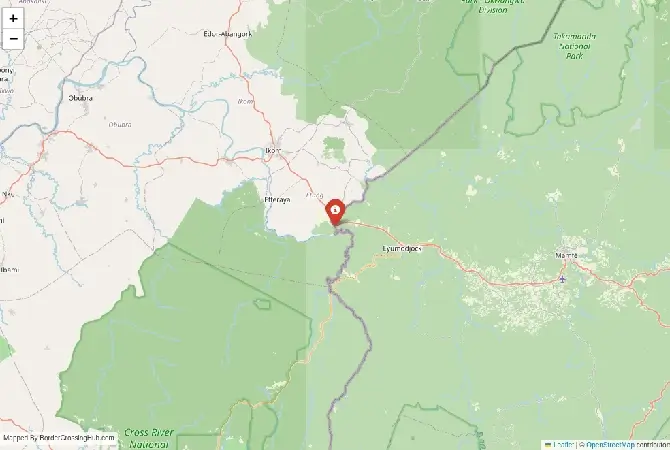
Ekok and Mfum remains an important Nigeria-Cameroon road corridor, particularly for trade through Cross River State. Recent reporting from the Nigerian side shows that cross-border commerce around Ekok has slowed sharply as higher fuel and transport costs have made Nigerian goods more expensive for buyers in Cameroon. Nigeria's Interior Ministry confirms that Mfum was among the Cameroon crossings reopened in 2020, so there is no indication of a general September closure.
About this crossing
You will find this crossing active throughout the day, with a mix of commercial trucks, passenger vehicles, and traders moving between the two sides.
Strategic and Economic Importance
This crossing plays a major role in trade between Nigeria and Cameroon. Goods moving from Nigeria’s large markets often pass through Mfum and into Ekok before continuing deeper into Cameroon.
Nearby Border Crossings



The route also supports regional commerce in agricultural products, manufactured goods, and everyday supplies. Compared to smaller crossings, the volume of trade here is noticeable and consistent.
Its position near the Cross River also makes it a natural transit point, reinforcing its importance over time.
Border Facilities and Layout
Facilities at this crossing are relatively well-developed by regional standards. You will find designated areas for immigration, customs, and vehicle inspection on both sides.
The layout is structured but can feel crowded during busy periods. Trucks and passenger vehicles share space, which can create bottlenecks.
Signage exists but is not always clear. You may need to ask for directions to ensure you complete each step of the process correctly.
Operating Hours and Timing Your Crossing
The border generally operates during daylight hours, with most activity concentrated between morning and early evening.
Arriving early in the day is a good strategy. Traffic increases steadily, particularly with cargo vehicles, and delays become more likely later on.
While some movement may continue beyond official hours, you should not rely on crossing late at night.
Visa Requirements and Documentation
You should prepare your documents before arriving.
For Nigeria, most travelers require a visa obtained in advance. Visa-on-arrival is not typically available at land borders.
For Cameroon, a visa is also required for most nationalities and must usually be arranged before travel.
A yellow fever vaccination certificate is mandatory for both countries and is commonly checked at the border.
Carrying printed copies of your documents is strongly recommended.
Crossing Procedure and Wait Times
The process follows the standard pattern: exit formalities on one side, then entry procedures on the other. The distance between checkpoints is short and manageable on foot.
Wait times vary depending on traffic. On a typical day, you might complete the crossing in 30 to 60 minutes. During peak periods, especially when trucks arrive, delays can extend beyond an hour.
If you are traveling by bus, expect additional waiting time as all passengers are processed together.
Trade Traffic and Daily Activity
This crossing sees a steady flow of goods and people. Trucks carrying agricultural products, fuel, and manufactured goods are a constant presence.
You will also see traders transporting smaller quantities of goods across the border, along with families and regional travelers.
The mix of large-scale and local movement creates an active but manageable environment.
Road Conditions and Transport Links
Road access to the crossing is relatively good. On the Nigerian side, Mfum connects to roads leading toward Calabar and other southeastern cities.
On the Cameroonian side, Ekok links to regional routes heading inland. Road conditions can vary, but main routes are generally passable.
Public transport is available, with shared taxis, minibuses, and buses operating between nearby towns and the border.
Seasonal Factors and Weather Impact
Weather can influence travel conditions, particularly during the rainy season. Heavy rains can slow traffic and affect road quality, especially on less developed sections.
In the dry season, heat and dust are the main challenges. Waiting in queues without shade can be uncomfortable.
Planning your journey with seasonal conditions in mind can help reduce delays.
Security Considerations
While this crossing is widely used, you should remain aware of regional security dynamics. Parts of southwestern Cameroon have experienced instability, and conditions can change.
You may encounter security checks on approach roads or near the border. These are usually routine, but they can add time to your journey.
Staying informed through official sources is important before traveling.
Scams & Warnings
As a busy crossing, you may encounter unofficial helpers offering assistance with paperwork or faster processing. These services are usually unnecessary.
You should follow official procedures and avoid paying for services you do not need. If fees are requested, ask for receipts and clarification.
Another common issue is missing a step in the process. With multiple checkpoints, it is important to ensure you complete all required formalities.
Local Atmosphere and Cross-Border Life
The Mfum–Ekok crossing reflects the strong connection between Nigeria and Cameroon. You will see traders, transport workers, and families moving between the two countries.
Language can vary. English is widely spoken on the Nigerian side, while French is common in Cameroon, along with local languages.
The atmosphere is active and shaped by daily trade and movement.
Practical Tips for Travelers
You should keep your documents organized and easily accessible. Printed copies of visas and vaccination certificates are essential.
Carrying small denominations of local currency can help with legitimate fees and purchases. Food and water are usually available nearby, but having your own supplies is useful during delays.
Mobile network coverage is generally available but may vary near the border.
Final Thoughts
The Mfum–Ekok crossing is one of the most important land routes between Nigeria and Cameroon, supporting both trade and regional travel.
Closing Note
You should approach this crossing with preparation and awareness. It is a practical and commonly used route, but patience and attention to detail will help ensure a successful experience.
View all border crossings between Nigeria and CameroonPractical information
Fuel
Nigeria: <1 km - Cameroon: <1 km
Currency
NGN,XAF exchangers
Safety information
Moderate checks
Connectivity
Highway,buses
Have you crossed here?
Help other travelers by sharing your experience, wait times, and any updates.