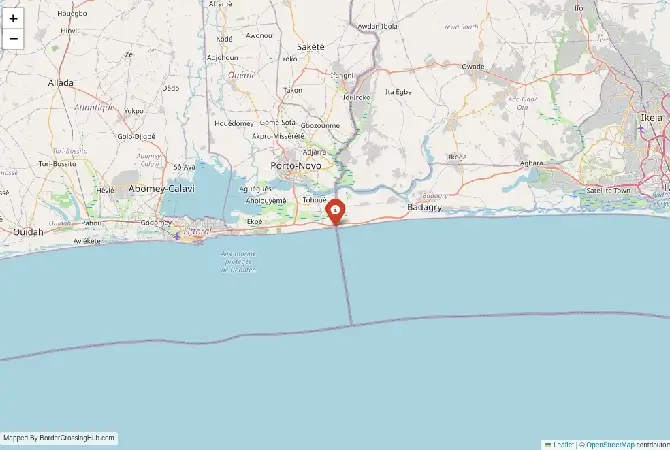
Monthly Update (September 2026):
Krake and Sèmè remains Nigeria's principal road gateway toward Benin and continues to operate as a major international crossing. Nigeria's Interior Ministry reiterated in late August that Seme was reopened in December 2020 and that Nigerian land borders are not generally closed, although individual crossings can still face tighter controls for security or documentation reasons. No significant September closure has been identified, so travelers using the Lagos-Cotonou corridor can continue to plan around the crossing normally.
About this crossing
Position and connections
Krake sits on the Benin side while Seme lies just across on the Nigerian side, about 37 km from Cotonou and a short drive from Badagry in Lagos State. The border follows the coastal road with views of the Gulf of Guinea nearby. It connects directly into Lagos to the west and Cotonou/Porto-Novo to the east. Trade here moves everything from consumer goods and vehicles to agricultural products, making it vital for regional commerce under ECOWAS and AfCFTA frameworks.
Background details
The post has operated as a joint border facility for years, with upgrades and inaugurations aimed at improving flow and reducing duplication. It has seen periodic closures due to smuggling concerns, trade disputes, or security issues, including notable long shutdowns in recent years. Despite challenges, it remains a key artery for cross-border movement and reflects the close economic ties between the two neighbors.
Nearby Border Crossings




Operating hours
The border generally stays open from early morning until evening, often around 6 AM to 8 PM or later, though exact times can vary with volume or staffing. Both countries share the same time zone. Plan to arrive during daylight hours, as processing slows at night and some services may close earlier.
Crossing from Nigeria into Benin
At Seme you start with Nigerian exit formalities. Officers check your passport and any vehicle papers. Then you move across the short distance to Krake for Benin entry. Many nationalities get Benin visas on arrival or short-stay options. Present your yellow fever certificate and prepare for health, immigration, and customs checks. The joint setup tries to streamline steps but still involves multiple counters.
Entering Nigeria from Benin
Begin with exit stamps at Krake. Cross to Seme and handle Nigerian entry. Nigeria requires e-visas for most visitors, obtained online in advance with supporting documents like bank statements. Complete the online landing card before arrival. Expect health desk screening for yellow fever, cholera, or meningitis proof, followed by immigration and customs. Processing can take time.
Wait times and daily flow
Full crossings for foot travelers and taxis often range from 45 minutes to over two hours depending on crowds and checks. Truck traffic frequently causes longer backups. Peak periods and market days push waits higher. Recent joint efforts have aimed to reduce delays, though manual processes and occasional extra screenings still occur. Rainy season from June to October can slow things with heavier coastal showers.
Transport options
Shared taxis, buses, and private cars run frequently on both sides. From the Nigerian side you connect easily toward Lagos. On the Benin side rides head to Cotonou or beyond. Motorbikes offer quick local hops near the post. No single massive terminal exists right at the border, so arrange onward transport after clearing immigration. Drivers often coordinate around processing times.
Roads and scenery
The coastal highway stays mostly paved but sees heavy use with trucks, taxis, motorcycles, and pedestrians. You pass fishing communities, lagoons, and urban sprawl on the approaches. Traffic mixes intensely near the border. Conditions hold up reasonably well in dry months but show potholes and flooding risks during rains. The short no-man’s-land area remains walkable.
Security situation and caution
The crossing itself functions under joint management, but the wider area sees occasional smuggling activity and security presence. Check current official travel advisories before your trip. Stick to daylight hours, official routes, and standard procedures. Heightened checks can occur during periods of regional tension or after security incidents.
Scams & Warnings
This busy post has a reputation for unofficial helpers offering to speed things up for fees, extra document charges, or pressure at various counters. Reports mention overcharging by drivers, confusion with multiple steps, or minor extortion attempts. Recent clean-up efforts have improved the situation, but travelers still advise caution. Carry exact change, use only official counters, decline unsolicited help, and stay polite but firm.
Nearby spots
Seme on the Nigerian side connects quickly to Badagry with its historical sites and beaches. Krake and the Benin side lead toward Cotonou’s markets and urban energy or Porto-Novo’s quieter charm. The immediate border zone buzzes with local commerce, currency exchange, and everyday border activity.
Preparation steps
Apply for your Nigerian e-visa well ahead and print the landing card plus visa confirmation. Bring yellow fever certificate, passport copies, and sufficient local currency (naira and CFA francs). Download offline maps as signal can vary. If driving, prepare full vehicle documents for temporary import. Travel during daylight and review any recent border updates.
Economic and cultural role
The crossing drives significant trade and people movement along the coastal corridor. It supports livelihoods through formal and informal commerce while linking communities with shared histories. Joint initiatives continue to focus on smoother operations and stronger regional integration despite periodic setbacks.
Seasonal and practical factors
Dry season from November to May usually offers more reliable road conditions. Rainy months bring potential flooding and slower traffic. Holidays or peak trading periods increase volumes and waits. Security or trade policies can shift quickly, so build extra time and flexibility.
Crossing advice
Double-check visa rules and current conditions right before travel. Allow generous buffer time, keep documents organized, and stay patient. With proper preparation you manage Krake and Seme and continue your coastal West Africa journey. (Word count: 1042)
View all border crossings between Nigeria and BeninPractical information
Fuel
Nigeria: <1 km - Benin: <1 km
Currency
NGN,XOF offices
Safety information
Very busy, strict control
Connectivity
Highway,buses,taxis
Have you crossed here?
Help other travelers by sharing your experience, wait times, and any updates.