BCH › Africa › Border Crossings in Nigeria

Nigeria

Nigeria flag

Nigeria's border crossings are among the busiest in West Africa, handling everything from regional trade to everyday cross border travel. Traffic volumes, commercial activity, and local conditions can all influence the pace, so planning ahead often pays off.

10

Border Crossings

Listed in BCH

3

Borders

Benin, Niger, Cameroon

Capital

Abuja

Time Zone

UTC+1

Nigeria

Understanding Nigeria

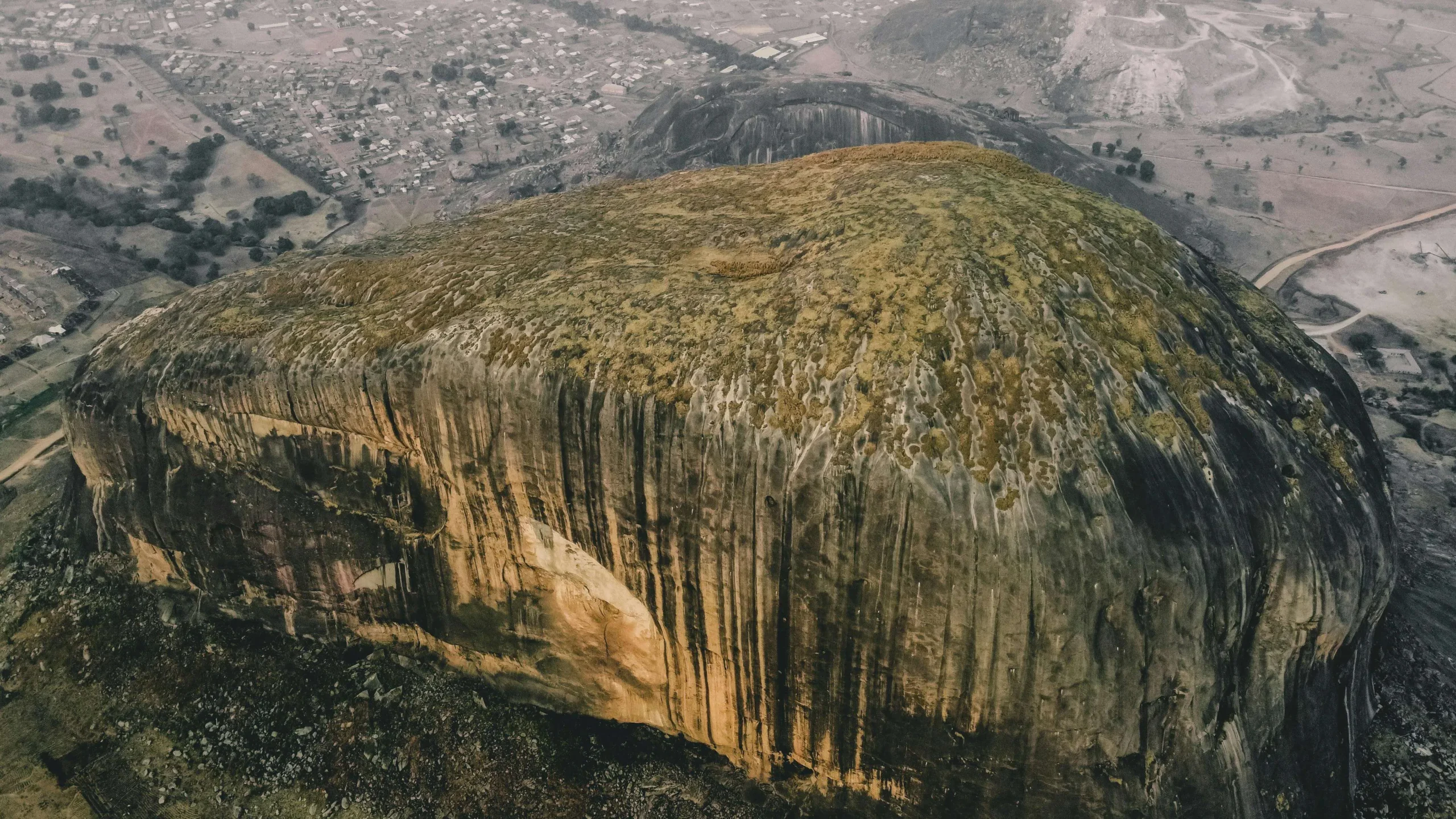
Nigeria’s extensive borders span diverse environments, from coastal wetlands to savanna and semi-arid regions. It shares borders with Benin, Niger, Chad, and Cameroon. Major crossings are often busy trade hubs with significant commercial traffic, while smaller posts serve rural communities. Climate conditions vary widely, with seasonal rains affecting southern routes and dry conditions shaping northern crossings.

Border Map

Page 1 of the printable Nigeria border guide
Printable guide · PDF, 2 pages

Nigeria border crossings on one map

Every crossing on a map, with opening hours, typical waits and this month's closures. Print it for the trip, or hand it to your drivers.

Download the PDF
For websites and reports

Show this map on your site. Copy the code below; the image updates when we update the guide.

Quick Information

Capital Abuja
Official Language English
Currency Nigerian Naira (NGN)
Calling Code +234

Quick Information

Capital Abuja
Official Language English
Currency Nigerian Naira (NGN)
Time zone UTC+1
Calling code +234

Travel Tip

Nigeria's size means every region has its own character, with noticeable differences in climate, food, and landscapes as you travel. Mobile coverage is generally strong along major roads, but keeping some cash available is still the simplest option in many smaller communities.

Border Crossings in Nigeria

Browse border crossings connecting Nigeria with its neighbouring countries.

10 crossings

Border crossings will load when this tab is opened.

Crossing Tip

Nigeria's size means every region has its own character, with noticeable differences in climate, food, and landscapes as you travel. Mobile coverage is generally strong along major roads, but keeping some cash available is still the simplest option in many smaller communities.