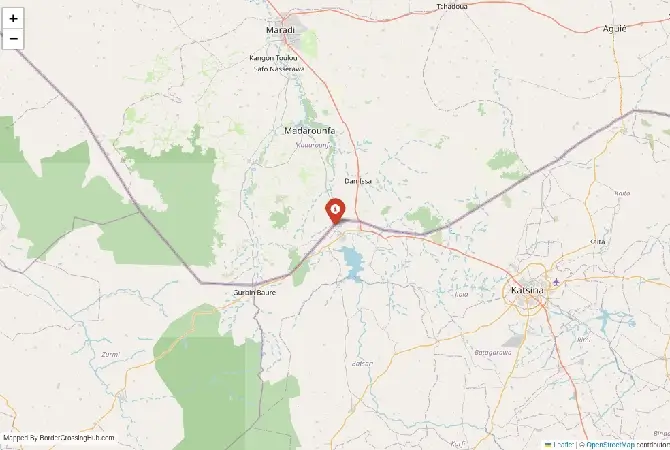
Monthly Update (September 2026):
Jibia & Maradi remains an established Nigeria-Niger crossing with no significant September closure identified. Nigeria's federal government currently maintains that its land borders are open and distinguishes present security controls from the broad border closures of earlier years. The northern Nigeria-Niger frontier nevertheless remains a security-sensitive area, so travelers should expect controlled movement and should confirm the latest situation before departure.
About this crossing
Position and connections
Jibia sits in Nigeria’s Katsina State while Maradi lies just across on the Niger side. The border runs through semi-arid savanna with fields, small villages, and trade routes. From the Nigerian side you link toward Katsina and further south to Kano or Abuja. On the Niger side roads head into Maradi and onward toward Niamey or other Sahelian destinations. Trade focuses on grains, livestock, textiles, and consumer goods moving in both directions. For foreign visitors this point offers a practical overland option when exploring northern Nigeria and southern Niger.
Background details
The frontier traces back to colonial divisions between British and French territories. Jibia earned a reputation as a bustling trade hub, sometimes called a paradise for cross-border commerce. Periods of closure due to political tensions, including the 2023 ECOWAS sanctions after Niger’s coup, severely affected local economies on both sides. Reopenings have brought gradual recovery in trade, though smuggling and informal routes remain common alongside the official post.
Nearby Border Crossings




Operating hours
The post generally functions during daylight hours, often from around 7 or 8 AM until 5 or 6 PM. Both countries share the same time zone. Exact schedules can shift with staffing, volume, or security situations, so arriving early helps. Night crossings are not recommended due to limited services and higher risks on approach roads.
Crossing from Nigeria into Niger
At Jibia you handle Nigerian exit formalities first. Officers check your passport and any vehicle documents. Then you move across the short distance to the Maradi side for Nigerien entry. Niger offers visa exemptions or short-stay options for many nationalities. Present your yellow fever certificate and be ready for questions about your itinerary. Processing includes immigration, health, and customs counters, sometimes with biometric elements.
Entering Nigeria from Niger
Start with exit checks on the Niger side. Cross and complete entry at Jibia. Many visitors receive visa on arrival or exemptions in Nigeria for short stays, though e-visa requirements apply for some nationalities. Have proof of onward travel, sufficient funds, and your yellow fever card ready. Health screenings and document reviews form part of the routine, with possible luggage checks.
Wait times and daily flow
Lighter traffic days see full crossings in 45 to 120 minutes. Market days, truck movements, or extra security checks push waits longer, sometimes several hours. Truck traffic has historically caused major backups. Recent reopenings improved flow, but multiple agencies and occasional policy shifts still create delays. Dry season usually allows steadier movement than wet months.
Transport options
Shared taxis, minibuses, and private vehicles manage most crossings. From the Nigerian side you find connections toward Katsina or Kano. On the Niger side rides head into Maradi. No large formal terminal sits right at the post, so arrange onward transport nearby after clearance. Motorcycles handle short hops while long-distance buses stop in the main towns.
Roads and scenery
Approach roads include paved sections mixed with laterite surfaces that turn rough in rain. You pass through agricultural zones, small settlements, and typical Sahelian landscape with scrubland and occasional hills. Traffic mixes trucks, taxis, loaded bikes, and pedestrians. Conditions worsen during the rainy season from June to September with mud and potholes. The immediate border area remains short and walkable.
Security situation and caution
This region faces ongoing challenges from banditry, smuggling, and Sahel instability. Travelers should exercise strong caution, consult official travel advisories from reliable sources, and seek the latest security updates before any trip. Stick to daylight hours, official routes, and avoid unnecessary stops. Joint patrols and checkpoints exist, but incidents can occur and affect movement. Many sources recommend careful planning for border areas.
Scams & Warnings
The crossing sees occasional unofficial fee demands or helpers offering unnecessary services. Reports mention extra charges at counters, confusion with procedures, or pressure from drivers. Smuggling-related activity sometimes spills over into traveler experiences. Carry exact change in naira and CFA francs, use only official buildings, and politely decline unsolicited assistance. Stay calm, document your process, and insist on standard procedures.
Nearby spots
Jibia features local markets and everyday border town energy. Maradi offers a larger urban feel with regional trade hubs and access to Niger’s interior. Further out you reach Katsina for historical sites in Nigeria or continue deeper into Niger. The area suits those interested in Sahelian trade dynamics and cross-border life more than major tourist attractions.
Preparation steps
Verify visa and health document requirements well ahead. Bring yellow fever certificate, passport copies, and sufficient local currency. Download offline maps as signal can drop near the border. If driving, prepare full vehicle temporary import papers. Dress modestly, travel during daylight, and monitor security updates for Katsina State and Maradi region right before departure. Have backup contacts and emergency funds.
Economic and cultural role
The post supports vital trade and family links across the boundary despite periodic disruptions. Markets on both sides stay active with agricultural goods and daily items. It forms part of broader West African corridors while reflecting strong community ties that predate modern borders. Local economies depend heavily on this movement, even as formal and informal channels coexist.
Seasonal and practical factors
Dry season from November to May brings better road conditions and fewer weather delays. Rainy months increase mud, flooding risks on unpaved sections, and potential disruptions. Security events or policy changes can close or restrict the post suddenly, so build generous buffer time and stay flexible. Holidays or peak trading periods raise volumes.
Crossing advice
Research conditions immediately before travel, allow plenty of margin for delays, and prioritize up-to-date safety information. With thorough preparation you manage the Jibia and Maradi border when the route aligns with your plans. Stay informed and cautious throughout your Sahel journey.
View all border crossings between Nigeria and NigerPractical information
Fuel
Nigeria: 2 km - Niger: 2 km
Currency
NGN,XOF exchangers
Safety information
Active trade, queues
Connectivity
Roads, minibuses
Have you crossed here?
Help other travelers by sharing your experience, wait times, and any updates.