Monthly Update (September 2026):
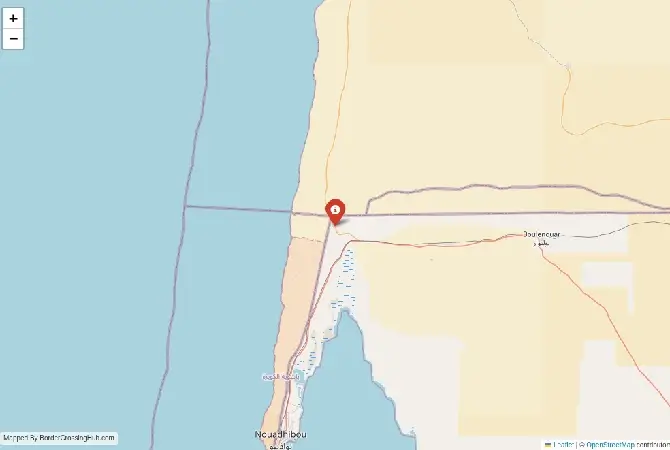
El Guerguerat and Guerguerat remains the main road gateway between Mauritania and Western Sahara and the essential land link toward Morocco. The route remains strategically important for freight and long-distance overland travel, with no significant September closure identified. Travelers should remember that the immediate frontier zone has unexploded-landmine risks and that current Mauritanian guidance advises against all but essential travel within 25 km of the Western Sahara border, except for the main Nouakchott-Nouadhibou road and Nouadhibou itself. The main highway corridor is therefore much more practical than attempting to explore off-road areas around the frontier.
About this crossing
El Guerguerat on the Moroccan side functions as the final checkpoint before the frontier. Guerguerat refers to the same area with the Mauritanian post located a few kilometers further south across a short no man's land. From the Mauritanian side the crossing leads directly toward Nouadhibou roughly 50 kilometers away on decent road. The entire zone sits in flat arid desert with sand dunes visible in the distance and little vegetation except occasional scrub. Trucks line up for long stretches on both approaches making the site feel like a remote commercial artery.
Historical Background
This border gained international attention in late 2020 when Polisario Front supporters blocked the road in protest leading to Moroccan military action to reopen it. The incident ended a long ceasefire and restarted low level tensions in Western Sahara.
Nearby Border Crossings

The crossing itself has operated for years as the key trade link allowing goods to move between Morocco and Mauritania. Moroccan authorities maintain strong control on their side with military presence while the Mauritanian post handles entry formalities. The area has seen occasional incidents including a rocket attack in the past but trade continued with Moroccan forces securing the immediate zone. The disputed status of Western Sahara adds a layer of complexity yet the border remains open for travelers and commercial traffic.
Crossing Procedures
You handle exit from the Moroccan side first then cross the short no man's land before completing entry into Mauritania. At the Moroccan post officials stamp your passport and may inspect vehicles or bags. Then you proceed across the neutral stretch which some travelers walk while others drive through depending on transport.
On the Mauritanian side you present your eVisa which became mandatory in 2025 with no visa on arrival available at this post. Officials take fingerprints photograph you and process entry stamps. Yellow fever vaccination proof gets checked on both sides. For vehicles you need insurance documents and temporary import papers. The whole sequence involves separate buildings on each side with the no man's land in between. Keep all documents ready and organized to avoid extra delays.
Wait Times and Seasonal Factors
Total crossing time usually ranges from one to three hours but can stretch longer during busy periods. Early morning arrivals often move quicker before truck queues build up. Afternoons see heavier commercial traffic which slows everything down.
The border typically operates from early morning until around 5 or 6 pm with both sides closing entry procedures near that time though they may finish ongoing cases. Desert heat affects comfort year round with peak temperatures from May to September making waits uncomfortable. Sandstorms can reduce visibility and delay movement. Dry cooler months from November to March bring more predictable conditions but still require patience. Travelers report clearing in under two hours when arriving prepared while others face longer holds due to truck inspections or paperwork.
Transportation Options
From Dakhla shared taxis buses or private vehicles reach the border area in ## About four hours. Some buses drop passengers near the Moroccan post allowing you to handle formalities on foot. On the Mauritanian side taxis or shared rides wait to take you to Nouadhibou in under an hour.
Motorcycle or car taxis sometimes assist with the short no man's land section for a small fee. Road conditions stay reasonable on the main N1 with paved surfaces most of the way though sand can drift onto the road in places. Many overlanders drive their own vehicles through while independent travelers use public transport or join groups. The route continues south from Nouadhibou toward Nouakchott on improving roads. Planning an early start from Dakhla helps you reach the border with enough daylight left.
Scams & Warnings
This crossing has a reputation for persistent touts and fixers who approach vehicles or walkers offering help with paperwork visas or transport. They may claim certain steps require payment or that they can speed up the process for a fee. Money changers appear on both sides pushing poor exchange rates while sim card sellers press their services aggressively.
On the Mauritanian side fixers sometimes enter buildings with travelers making the process confusing. Decline all unsolicited assistance firmly and stick to official buildings and uniformed staff. Some reports mention pressure for small unofficial fees on stamps or vehicle checks. Recent accounts from 2025 and 2026 note that staying calm and asking for receipts reduces issues in most cases. Keep valuables secure avoid displaying cash and handle currency exchanges in Dakhla or Nouadhibou instead. The remote desert location means any delay can feel stressful so prepare mentally for a slow but straightforward process.
Nearby Attractions and Local Life
El Guerguerat itself offers little beyond basic services with a few small shops and eateries catering to truck drivers and travelers. The Moroccan side has military checkpoints and a sense of controlled frontier activity. On the Mauritanian approach you find similar basic facilities with people focused on trade and transit.
The surrounding Sahara provides stark desert scenery with endless sand and occasional camel herds. Most people treat the crossing as a necessary transit point rather than a destination yet the long truck queues and remote setting create a unique atmosphere of isolation and commerce. Local life revolves around supporting the border flow with drivers mechanics and small vendors present daily.
Practical Travel Tips
Apply for your Mauritanian eVisa several days in advance through the official system since no on arrival option exists here. Carry your passport with sufficient validity yellow fever card vehicle papers if driving and proof of onward travel. Bring small denomination euros or local currency for any minor fees plus plenty of water and snacks for waits.
Research current border hours and security updates before departure as they can shift. Travel in daylight and aim to arrive early enough to complete procedures before closing time. If driving confirm all insurance and import requirements for both sides. Dress modestly for the desert sun and keep patience during the sequence of checks.
Groups sometimes coordinate shared taxis or vehicles for cost savings and company. Avoid nighttime travel in the desert sections due to navigation and security considerations. Check official embassy sources for the latest entry rules which can update with regional developments.
Planning Your Crossing
The Guerguerat-El Guerguerat border remains the essential link for overland travel between Morocco controlled Western Sahara and Mauritania. Allocate enough time verify your eVisa and entry details from official channels shortly before travel and deal only with authorized staff throughout.
Many travelers and traders use this route regularly for commerce and tourism connections. Your experience depends on arrival timing truck volume and how you manage the procedures. Review conditions close to your trip date because regional tensions or infrastructure changes can introduce short term adjustments. With good preparation you handle the formalities and continue your journey from the Moroccan desert into Mauritania without major setbacks.
View all border crossings between Mauritania and Western SaharaPractical information
Fuel
Mauritania: <1 km - Western Sahara: <1 km
Currency
MAD,MRU limited
Safety information
Desert road, monitored
Connectivity
3G/4G mobile coverage
Have you crossed here?
Help other travelers by sharing your experience, wait times, and any updates.