Monthly Update (September 2026):
Rosso & Rosso remains the principal Senegal-Mauritania crossing, but the big infrastructure story is still the delayed Rosso Bridge. The bridge, which is intended to replace the ferry crossing, is now expected to be handed over in 2027 rather than at the end of 2026. Ferry operations were disrupted earlier this year by technical problems, creating a major truck backlog, although the July disruption was resolved and traffic resumed. Senegal and Mauritania have also begun joint river patrols along the frontier, including the Diama area, adding a more visible security presence on the river.
About this crossing
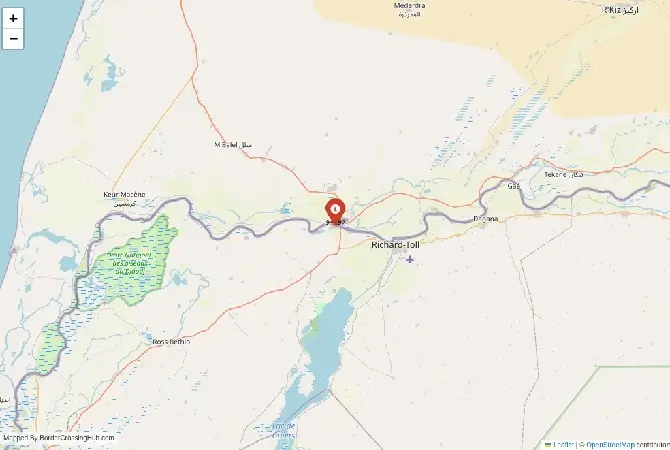
Located on the Senegal River, the towns of Rosso on both sides face each other directly. This crossing is sometimes called the Rosso Ferry Crossing, since the river must be crossed by boat rather than by bridge.
A border shaped by colonial lines and river trade
Rosso’s importance goes back to colonial times, when the Senegal River acted as a natural boundary between French-controlled territories. Even today, the river defines the border, separating Senegal’s fertile agricultural lands from Mauritania’s more arid terrain.
Nearby Border Crossings


Trade has always been central here. Goods such as rice, fish, and livestock move across regularly, and the crossing supports both local economies. Despite its relatively small size, Rosso handles a steady flow of regional traffic, especially traders and transport vehicles.
The lack of a bridge has preserved the ferry system, which remains the only way to cross directly at this point.
The ferry: short ride, long process
The physical act of crossing the river is quick. The ferry ride itself takes only a few minutes. What takes time is everything around it.
You will first complete exit formalities on the Senegalese side, then board the ferry, and finally go through Mauritanian immigration on arrival. In theory, the process is simple. In practice, delays are common.
Queues can build up, especially when trucks are involved. Passenger wait times often range from 30 minutes to two hours, but it can stretch longer if procedures slow down or if you arrive during busy periods.
Border procedures and document checks
On the Senegal side, exit procedures are usually straightforward. The challenges tend to begin once you approach the ferry area, where unofficial intermediaries may try to “assist” you for a fee.
On arrival in Mauritania, immigration checks are more structured, but you may still encounter requests for small payments that are not officially required. Visa rules vary by nationality. Mauritania offers e-visa systems, and you should arrange your visa in advance whenever possible, as on-arrival options are inconsistent.
Keep your passport, visa, and any printed confirmations easily accessible. Officials will expect to see them multiple times.
Transport and access routes
From the Senegalese side, Rosso is about 100 kilometers from Saint-Louis, with a paved road leading directly to the border. Shared taxis and minibuses run this route regularly.
On the Mauritanian side, Rosso connects to Nouakchott via a paved road, though conditions can vary. The capital is roughly 200 kilometers away, and bush taxis are the main form of transport.
At the border itself, you will find a mix of vehicles, carts, and pedestrians. The area can feel chaotic, especially near the ferry loading point.
Scams & Warnings
This crossing has a strong reputation for aggressive fixers. These individuals may approach you immediately upon arrival, offering to handle paperwork or speed up the process.
Some common situations include demands for “processing fees,” attempts to take your passport, or inflated ferry charges. You should firmly decline unsolicited help and keep your documents in your possession at all times.
Another frequent issue involves multiple checkpoints on the Mauritanian side, where officials or individuals may ask for small payments. Asking for receipts or calmly refusing often helps avoid unnecessary charges.
Travelers have reported feeling pressured or confused during the process, especially if arriving alone. Staying patient and composed is key.
Seasonal conditions and timing
The Senegal River’s water levels can affect ferry operations, though crossings generally run year-round. During the rainy season, from roughly July to October, surrounding areas may become muddy, and delays can increase.
Heat is another factor. Temperatures in this region can be intense, particularly on the Mauritanian side. Carry water and be prepared for limited shade while waiting.
Arriving early in the morning can reduce waiting times and help you avoid the busiest periods.
Nearby towns and what to expect
Rosso itself is not a tourist destination. On the Senegal side, the town is functional, with basic services and a few places to eat or rest. Saint-Louis, not far away, offers a more appealing stop with colonial architecture and coastal scenery.
On the Mauritanian side, Rosso is even more utilitarian. Facilities are limited, and most travelers continue onward to Nouakchott rather than staying.
Despite this, the crossing provides a direct link between two very different environments: Senegal’s greener landscapes and Mauritania’s entry into the Sahara.
Cultural and economic importance
The Rosso crossing reflects the broader relationship between Senegal and Mauritania. While political tensions have existed in the past, daily life along the border is shaped by trade and shared economic interests.
You will see a mix of languages, including French, Wolof, and Arabic. The movement of goods and people continues to sustain local livelihoods, even as infrastructure remains basic.
Practical advice before you arrive
Preparation matters more here than at many other crossings. Have small bills ready but use them carefully. Keep your belongings secure and avoid displaying valuables.
Do not hand over your passport to anyone except uniformed officials inside official offices. If someone insists on helping you, politely decline and continue on your own.
It is also helpful to observe what other travelers are doing and follow the same sequence of steps. Even without clear signage, the process becomes easier once you see the flow.
Closing note
A crossing that tests your patience
Rosso is not the easiest way to move between Senegal and Mauritania, but it remains one of the most direct. If you stay alert, organized, and firm in dealing with unofficial requests, you can get through without major issues.
Expect delays, stay cautious, and treat every step with attention. That approach will make a noticeable difference at this particular stretch of the Senegal River.
View all border crossings between Senegal and MauritaniaPractical information
Fuel
Senegal: <1 km - Mauritania: <1 km
Currency
XOF,MRU exchangers
Safety information
Congestion, ferry delays
Connectivity
Ferry,road,buses
Have you crossed here?
Help other travelers by sharing your experience, wait times, and any updates.