Monthly Update (September 2026):
Diama & Diama remains the alternative Senegal-Mauritania road crossing at the Diama Dam, away from the busy Rosso ferry route. A new round of joint Senegalese-Mauritanian river patrols began in August, including surveillance around Sinthiane-Diama, as the two countries strengthen security cooperation along the Senegal River. There is no significant September closure to report, but the additional patrol activity means travelers may encounter more visible security checks around the river frontier. The crossing remains useful for travelers heading between northern Senegal and southwestern Mauritania without using Rosso.
About this crossing
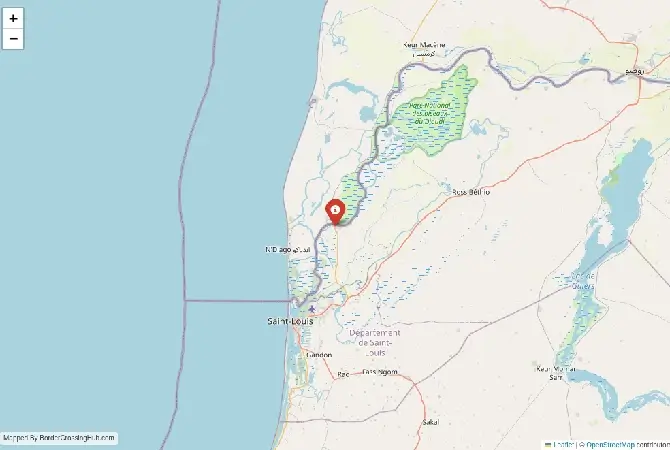
Both sides share the name Diama, with the Senegalese post on one bank and the Mauritanian one on the other. The dam itself forms the crossing point. From Saint-Louis, the approach involves roads passing near or through the Djoudj National Park. On the Mauritanian side, you often face a stretch of dirt or piste road, sometimes up to 40 kilometers, before reaching better surfaces toward Nouakchott. The area sits in flat river valley terrain with wetlands, birdlife, and agricultural fields visible around the dam.
Historical Background
The Diama Dam, completed in the 1980s, controls water flow in the Senegal River and prevents saltwater intrusion into farmland. It also created this border crossing point. The river valley saw tensions in the late 1980s during the Mauritania-Senegal Border War, triggered by resource disputes and ethnic issues that displaced thousands and closed crossings for periods.
Nearby Border Crossings

Relations improved over time, and the dam became a practical link for local trade and travel. Unlike the busy Rosso post, Diama stayed quieter, handling mostly local traffic, some overlanders, and tourists visiting nearby parks. The crossing reflects ongoing cooperation along the shared river, even as both countries manage migration and trade under ECOWAS frameworks.
Crossing Procedures
You clear exit formalities on the departure side before entering the next country. From Senegal to Mauritania, complete Senegalese checks then cross the dam to Mauritanian immigration. The reverse applies when going south.
Foreign visitors need a valid passport. Mauritania requires most travelers to obtain a visa in advance, often online or from an embassy, as on-arrival options remain limited at smaller posts like Diama. Senegal offers easier entry for many nationalities with visa exemptions or on-arrival stamps. Yellow fever vaccination proof gets checked on both sides. Officials handle passport stamps, may inspect bags or vehicles, and ask ## About your plans.
For those with vehicles, expect questions ## About insurance and temporary import documents. A carnet de passage helps for older vehicles entering Senegal. The process uses separate facilities linked by the short dam crossing. Keep documents ready and organized.
Wait Times and Seasonal Factors
Processing usually takes 30 minutes to two hours total, though it varies. Early mornings after the border opens around 9am often bring quicker movement. Afternoons can slow down with more local traffic or groups.
The border operates roughly from 9am to 6pm. Rainy season from July to October makes approach roads muddy or impassable, especially the dirt sections on the Mauritanian side, which adds delays before you even reach immigration. Dry months offer better conditions but bring heat and dust. Travelers report clearing in under an hour when arriving early and prepared, while others face longer waits due to vehicle inspections or paperwork.
Transportation Options
From Saint-Louis in Senegal, shared taxis or private vehicles reach the area in ## About one to two hours, with parts of the route passing scenic wetland zones. On the Mauritanian side, shared transport or taxis continue after the border toward main roads leading to Nouakchott, though the initial piste can take extra time.
Motorcycle taxis sometimes help cover short distances right at the dam. Road conditions differ sharply: smoother on the Senegalese approach near the park, rougher and unpaved on the Mauritanian exit. Many overlanders and independent travelers prefer Diama over Rosso for fewer crowds, even with the dirt road challenge. Public transport options remain limited, so most arrange rides locally or drive themselves.
Scams & Warnings
This crossing carries a reputation for unofficial payment requests, though generally less intense than at Rosso. Reports mention demands for extra fees on stamps, vehicle papers, or vague "park fees" whether or not you enter the national park. Touts may offer help with forms or claim certain documents are missing to extract cash.
On the Mauritanian side, some travelers describe aggressive questioning or pressure during vehicle checks. Distraction tactics occasionally occur, so keep doors locked and valuables secure if in a vehicle. Money changers at the border give poor rates; handle exchanges in Saint-Louis or larger Mauritanian towns instead.
Travelers have shared experiences of negotiating down surprise costs or waiting out officials until standard procedures resumed. Recent accounts from 2025 and early 2026 note that sticking to uniformed staff and politely asking for receipts reduces issues. The area mixes legitimate local crossings with some informal activity, so stay alert and decline unsolicited assistance.
Nearby Attractions and Local Life
The Senegalese side lies close to Djoudj National Park, a UNESCO site famous for vast bird populations, especially during migration seasons. You spot pelicans, flamingos, and other species in the wetlands. The Diama Dam itself offers views over the river and surrounding fields.
On the Mauritanian side, the immediate area stays basic with limited services. Further along, the route heads into drier landscapes. Local life revolves around fishing, farming, and small-scale trade across the dam. Most visitors treat the crossing as a transit point, but the nearby park provides a strong reason to linger on the Senegalese side before or after.
Practical Travel Tips
Prepare documents thoroughly: passport with validity, visa for Mauritania if required, yellow fever card, and vehicle papers including insurance or carnet if driving. Carry small-denomination CFA francs or ouguiya for transport and any official minor fees. Dress simply and remain patient through checks.
Research current road conditions, especially the Mauritanian piste, as rain can make it difficult. Travel during daylight and aim to arrive early in the day. If driving, confirm all requirements for both countries ahead. Bring water and snacks since waits or road sections can extend your time.
Confirm border hours locally, as they can shift. Groups sometimes coordinate shared rides for safety and cost savings. Check official embassy sources for the latest visa and entry rules before departure.
Planning Your Crossing
The Diama-Diama border provides a calmer alternative to Rosso for travel between Senegal and Mauritania, with the dam offering a straightforward land link despite some rough access roads. Give yourself enough time, verify visa and entry details from official channels shortly before travel, and interact directly with staff.
Many locals and some overlanders use this route regularly. Your experience depends on timing, weather, vehicle status, and how you handle the procedures. Review conditions close to your trip date because road work or security measures can introduce changes. With solid preparation, you manage the formalities and continue your journey along the Senegal River corridor.
View all border crossings between Senegal and MauritaniaPractical information
Fuel
Senegal: 2 km - Mauritania: 2 km
Currency
XOF,MRU limited
Safety information
Bridge crossing, stable
Connectivity
Road,buses
Have you crossed here?
Help other travelers by sharing your experience, wait times, and any updates.