Monthly Update (September 2026):
Amchide and Banki remains a security-sensitive Nigeria-Cameroon crossing rather than a normal tourist border. Nigeria's Interior Ministry says the prolonged closure of Banki and Amchidé originated from Boko Haram violence in 2014 and that the crossings were reopened in 2019 following security improvements, while tighter controls can still apply where insurgent activity persists. There is no significant September reopening or closure to report, but travelers should obtain current local security information before attempting this route.
About this crossing
Position and connections
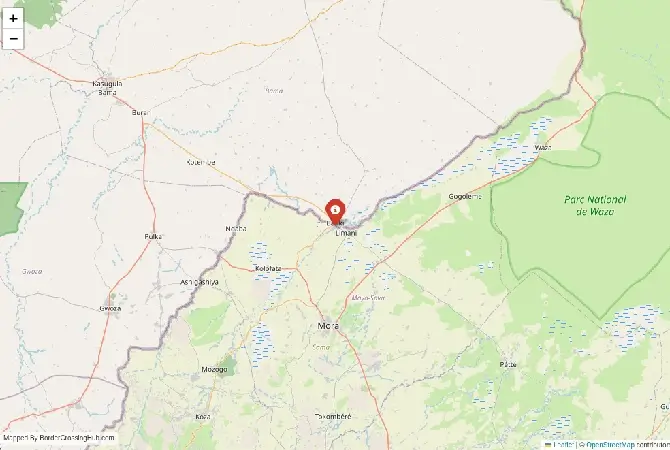
Amchide lies on the Cameroonian side while Banki sits directly across on the Nigerian side. The border follows low-lying savanna, wetlands, and agricultural land near the Lake Chad influence zone. From the Nigerian side you link toward Maiduguri and further into Nigeria. On the Cameroonian side roads head toward Mora, Kousseri, or onward links to Chad. Trade has traditionally involved livestock, fish, grains, and consumer goods, though volumes remain reduced compared to pre-conflict levels. This route forms part of broader regional corridors used mainly by locals.
Background details
The post closed for several years around 2014 due to intense Boko Haram attacks that devastated both towns. It reopened in 2019 after improved military operations and stabilization efforts. Joint Nigerian and Cameroonian forces have worked to secure the area, with occasional market reopenings like the livestock market in Banki in early 2025. The crossing reflects both the resilience of border communities and the ongoing challenges of balancing trade with security in this tri-border zone involving Chad.
Nearby Border Crossings




Operating hours
The border operates mainly during daylight hours when open, typically from around 8 AM to 5 PM, though schedules depend heavily on security conditions and military decisions. Both sides share the same time zone. Confirm the current status through official or local authorities shortly before travel, as the post can face sudden closures or restrictions.
Crossing from Nigeria into Cameroon
At Banki you complete Nigerian exit formalities under military oversight. Officers review passports, vehicle papers, and often require security clearances. You then cross the short distance to Amchide for Cameroonian entry. Cameroon requires visas for most foreign visitors, best obtained in advance. Present your yellow fever certificate and prepare for thorough health, immigration, and security checks at multiple counters.
Entering Nigeria from Cameroon
Start with exit procedures at Amchide. Cross to Banki and handle Nigerian entry. Nigeria generally requires e-visas for most foreigners, arranged online ahead of time. Expect strict document reviews, health screenings, and possible luggage inspections under military presence. Proof of onward travel and funds may be requested.
Wait times and daily flow
When operational, individual processing can take one to three hours or more due to layered security protocols. Truck or market traffic creates additional backups. Delays increase during heightened alerts or joint operations. Civilian traffic remains relatively light, so waits depend more on individual scrutiny than large crowds. Rainy season flooding can further slow approach roads.
Transport options
Shared taxis, motorbikes, and private vehicles manage limited crossings. From the Nigerian side connections go toward Maiduguri, though services stay sparse. On the Cameroonian side rides head to nearby towns. No regular large bus services run directly at the post. Arrange transport with drivers familiar with current conditions and coordinate after clearance.
Roads and scenery
Approach roads mix paved sections with rutted, unpaved tracks that pass through bush areas. You see former farmland, military checkpoints, displaced community zones, and Lake Chad basin landscapes. Traffic includes military vehicles, occasional traders, and motorcycles. Conditions reflect years of conflict with damaged infrastructure. The short crossing area requires caution.
Security situation and strong caution
This remains a high-risk zone with ongoing threats from Boko Haram and other armed groups. Travelers should treat the crossing as potentially unsafe and consult the latest official advisories from multiple sources before any attempt. Many governments advise against non-essential travel to Borno State and adjacent Cameroonian border areas. Heavy military presence, frequent checkpoints, and sudden closures are common. Foreign visitors face extra scrutiny.
Scams & Warnings
In tense border environments, unofficial fee demands or “facilitation” offers appear alongside confusion at checkpoints. Reports mention extended questioning, document holds, or pressure related to security procedures. Carry exact change in naira and CFA francs, use only official channels, and decline unsolicited help. Document every step and remain calm during checks.
Nearby spots
Banki features basic markets and border town activity focused on trade and recovery. Amchide offers similar local routines with access to Cameroonian markets. Further out you reach Maiduguri in Nigeria or areas toward Chad, though all travel in the region requires careful planning. Tourism remains very limited due to security concerns.
Preparation steps
Obtain visas and print confirmations well in advance. Bring yellow fever certificate, multiple passport copies, and sufficient local currency. Download offline maps and have backup communication plans due to unreliable signal. If driving, prepare full vehicle documents. Travel only in daylight with updated security information and register with your embassy if possible.
Economic and cultural role
The crossing once supported vibrant trade linking Nigeria, Cameroon, and Chad through the Lake Chad basin. Markets moved fish, cattle, and grains for communities with deep cross-border ethnic ties. Conflict sharply reduced activity, but gradual recovery through joint efforts shows local resilience. Stabilization projects continue to aim at restoring economic links.
Seasonal and practical factors
Dry season from November to May offers better road access. Rainy months bring flooding risks near wetlands and rivers. Security incidents can cause sudden closures at any time. Build substantial buffer time and have alternative plans ready.
Crossing advice
Verify the latest border status through reliable official sources right before travel. Prioritize safety and consider whether this route fits your needs. With extreme caution and full preparation, only those with essential reasons should use Amchide and Banki. Monitor developments closely in the Lake Chad basin.
View all border crossings between Nigeria and CameroonPractical information
Currency
NGN,XAF limited
Safety information
Tight control, conflict risk
Connectivity
Roads, aid transport
Have you crossed here?
Help other travelers by sharing your experience, wait times, and any updates.