Monthly Update (September 2026):
Diffa & N’Guigmi corridor remains a highly sensitive Niger-Chad border area rather than a practical tourist crossing. The Lake Chad region carries a high terrorist kidnapping risk, and current travel advice recommends against all travel there. Niger has also experienced renewed internal instability, including a mutiny and fighting around Niamey at the end of August, although the government subsequently said it had regained control. There is no credible September reopening or normalisation to report for this remote corridor.
About this crossing
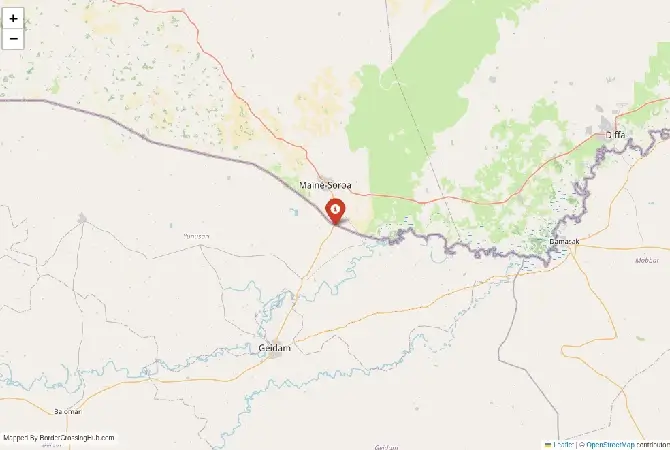
Diffa acts as the main regional hub on the Niger side while N’Guigmi sits closer to the actual border area further east. The corridor stretches roughly 120 to 150 kilometers with the paved Daboua to N’Guigmi section completed in recent years. From Diffa you reach N’Guigmi in a few hours by road. Once past the border zone you continue into Chad on routes heading to Bol and beyond. The terrain includes flat plains, seasonal wetlands linked to the shrinking Lake Chad, scattered villages, and areas used for livestock grazing and small scale farming.
Historical Background
Communities around Lake Chad have traded fish, livestock, and crops across this zone for generations despite the official boundary. The corridor supported daily movement among families and traders from Niger, Chad, Nigeria, and Cameroon.
Nearby Border Crossings




Conflict disrupted normal life starting in the mid 2010s when Boko Haram related groups carried out attacks in the Diffa region. This led to displacement of thousands of people into camps and spontaneous sites along the highway between Diffa and N’Guigmi. Military operations by forces from Niger and Chad gradually improved control in parts of the area although sporadic incidents continue. The route now reflects both the long standing economic links and the ongoing recovery from years of insecurity in the Lake Chad Basin.
Current Security Situation
Security remains a major concern along the entire corridor. Nigerien authorities organize daily military convoys to escort vehicles traveling between Diffa and N’Guigmi. This system helps protect against attacks and banditry that have targeted farmers, traders, and road users in the past.
Recent events include killings of farmers in the N’Guigmi department and abductions reported along the N’Guigmi to Daboua axis as late as March 2026. The region hosts significant numbers of displaced people and refugees with humanitarian organizations active in both towns. While the paved road has shortened travel times the military escort requirement adds structure but also means you must align with convoy schedules. Joint border security discussions between Niger and Chad continue with focus on countering armed groups active in the tri border area.
Crossing Procedures
You complete exit checks on the Niger side before entering Chad. Formalities take place at posts near N’Guigmi or along the corridor with officials handling passport stamps and possible inspections of bags or vehicles.
Foreign visitors carry a valid passport with enough remaining validity. Visa requirements vary by nationality. Many ECOWAS citizens move with simplified procedures while others need visas arranged in advance through embassies. Yellow fever vaccination proof is commonly requested. Expect basic questions ## About your travel plans and occasional luggage reviews. Keep small amounts of CFA francs available for any minor official fees and request receipts when payments are involved.
The facilities stay basic in this remote setting with separate procedures on each side and frequent military presence. Organize all documents clearly to reduce hold ups during the process.
Wait Times and Seasonal Factors
Total time for the border segment ranges from 30 minutes to several hours depending on convoy timing and the volume of checks. You may need to wait for the next daily military escort which adds planning to your schedule. Early starts often match better with convoy departures.
Rainy season between June and September can turn low lying areas near the lake muddy and slow vehicle movement. Dry months bring dust and high temperatures but allow more consistent progress overall. Heightened security alerts or movements of displaced people sometimes extend processing at checkpoints. Travelers frequently spend extra hours waiting along the Diffa to N’Guigmi road. Build in a full day or longer for this section to cover escorts and any unexpected delays.
Transportation Options
Shared taxis, minibuses, and bush taxis run between Diffa and N’Guigmi at low fares although vehicles tend to be older and crowded. The paved sections have improved journey times in recent years. From N’Guigmi onward into Chad you find similar shared transport or sturdy pickup trucks heading toward Bol and N’Djamena.
Military convoys escort most traffic on the Niger side for protection. Motorcycle taxis handle short local distances near towns. Road conditions combine paved stretches with rougher parts especially closer to wetland zones. Many people break the journey with an overnight stop in Diffa or N’Guigmi. Independent travel is possible but usually requires joining the escorted groups for safety on this corridor.
Scams & Warnings
Unofficial payment demands appear at various checkpoints along the route. Officers sometimes ask for small fees described as stamp duties or other services affecting both locals and foreign travelers. Touts occasionally offer to assist with paperwork in exchange for cash.
The zone combines regular trade in fish and livestock with some informal activities and risks from armed groups. Security forces conduct thorough vehicle searches which can feel lengthy. Decline any unsolicited help and work only with uniformed personnel. Money changers in the towns usually offer unfavorable rates so handle currency exchanges in Diffa or N’Guigmi instead.
Keep valuables hidden travel only during daylight with the convoys and avoid showing large sums of cash. Travelers report experiences of negotiation over minor fees or extended checks on commercial loads. The presence of displaced populations and humanitarian operations adds another layer so maintain patience and awareness throughout. Recent military measures have reduced some risks but threats from armed groups persist in parts of the Diffa region.
Nearby Attractions and Local Life
Diffa provides basic services including markets, simple guesthouses, and food stalls where fresh fish from Lake Chad appears regularly. The town serves as a hub with a visible humanitarian presence due to the refugee situation. N’Guigmi functions as a smaller frontier settlement with trade links to Chad fuel points and limited lodging options.
The Lake Chad Basin offers views of wetlands and fishing communities although the lake itself has shrunk dramatically over time. Local daily life centers on small scale trade herding and farming. Most people view the corridor as a transit route rather than a place to stay yet the movement of goods and people gives a direct look at cross border realities in this challenging environment.
Practical Travel Tips
Gather documents in advance including your passport with sufficient validity yellow fever vaccination card and any required visa or proof of onward travel. Carry small denomination CFA francs for transport fees and emergencies. Dress in simple clothing and stay patient during convoy waits and security checks.
Check current security updates and convoy schedules before setting out as they can shift quickly. Travel only in daylight and join the military escorted groups as advised. If driving your own vehicle confirm all necessary papers and carefully assess the risks. Bring plenty of water snacks and basic supplies since delays or vehicle issues can extend time in remote sections.
During rainy months allow extra time for possible road difficulties. Groups sometimes coordinate transport to improve safety and share costs. Consult official government or embassy sources for the latest entry rules and travel advisories which frequently note elevated risks in the Diffa region.
Planning Your Crossing
The Diffa-N’Guigmi corridor operates as an essential yet security sensitive link between Niger and Chad in the Lake Chad Basin. Set aside plenty of time verify visa and entry details through official channels shortly before departure and follow all military escort instructions carefully.
Locals and traders use this route regularly for commerce and family visits while overlanders pass with extra caution. Your own journey depends on convoy schedules weather security protocols and how you approach the procedures. Review conditions as near as possible to your travel date because incidents military operations or border adjustments can create sudden shifts. With detailed preparation and respect for the ongoing challenges you complete the formalities and continue along this resilient corridor in the Lake Chad region.
View all border crossings between Niger and ChadPractical information
Currency
XOF,XAF informal
Safety information
Sahel risks, checkpoints
Connectivity
Roads, aid transport
Have you crossed here?
Help other travelers by sharing your experience, wait times, and any updates.