
The 10 Most Extreme Border Crossings on Earth
From the “Ice Curtain” of the Bering Strait to the lawless Darien Gap.
These are the world’s most challenging, dangerous, and remote frontiers.
Our Ranking Criteria
To compile this list, we evaluated over 1,000 crossings based on four pillars: Environmental Severity (altitude/climate), Geopolitical Tension, Bureaucratic Complexity (permits/visas), and Physical Safety.
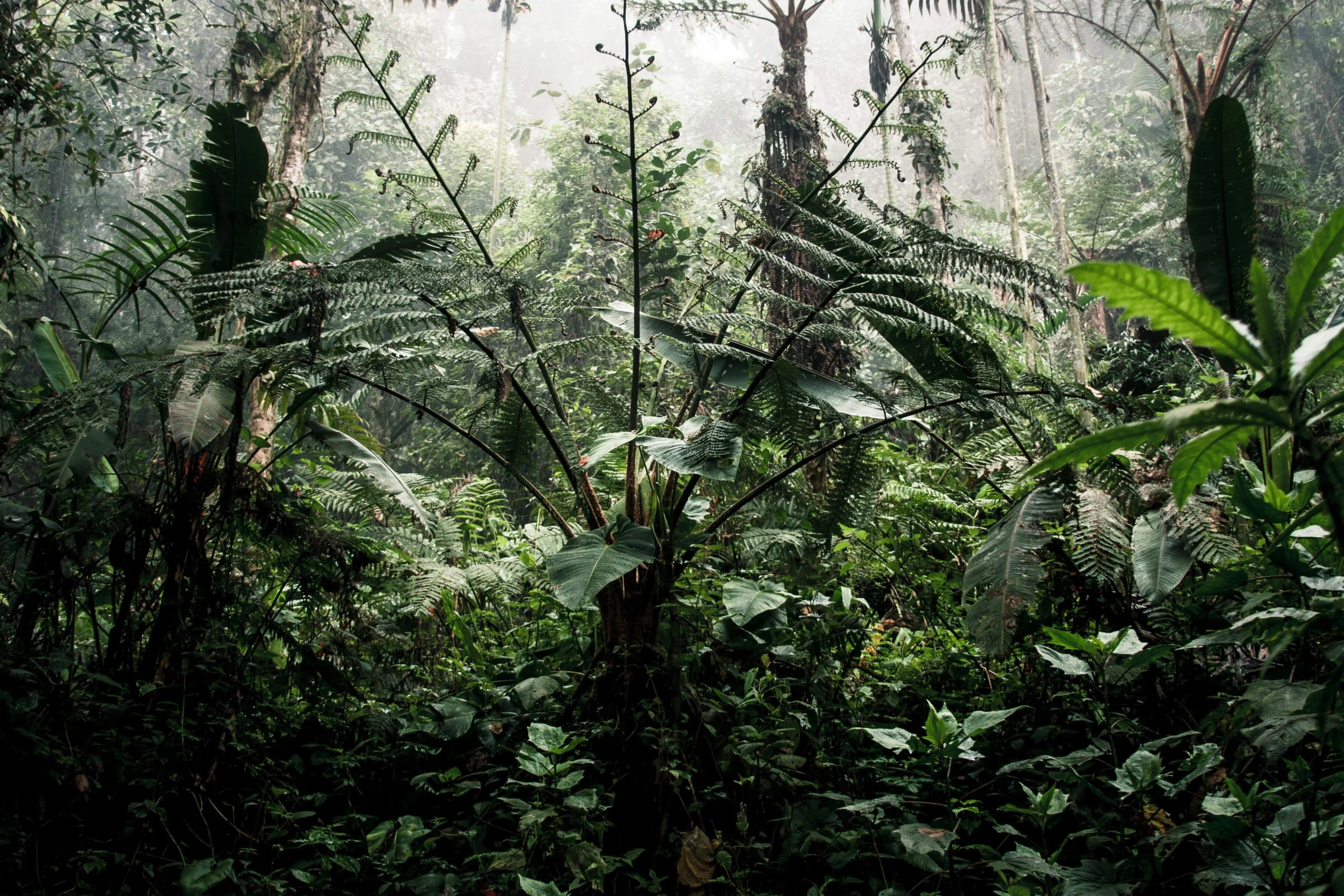
The Darien Gap
Suicidal / Extreme
Geography & Safety
7 – 14 Days
Dry Season (Dec – Mar)
Why the Darién Gap Is the Most Dangerous Border Crossing in the World
The Darién Gap is widely known as the most dangerous border crossing in the world, and it is one of the last true frontiers on Earth. This dense, lawless jungle completely interrupts the Pan American Highway, creating a 100 kilometer stretch where roads simply do not exist. Anyone attempting to cross between Panama and Colombia must abandon vehicles and enter a brutal, unpredictable wilderness.
This is not a normal journey. It is a full survival expedition. Travelers must hike through thick rainforest, cross fast moving rivers, and navigate swamps filled with insects and disease. The environment alone is unforgiving, but the real danger comes from criminal groups operating deep inside the jungle. Stories of robbery, kidnapping, and worse are not uncommon.
There is no official infrastructure, no emergency services, and no guaranteed path. Most people rely on local guides and makeshift transport just to make it through. The combination of isolation, danger, and unpredictability has made the Darién Gap one of the most searched and feared border crossings in the world.
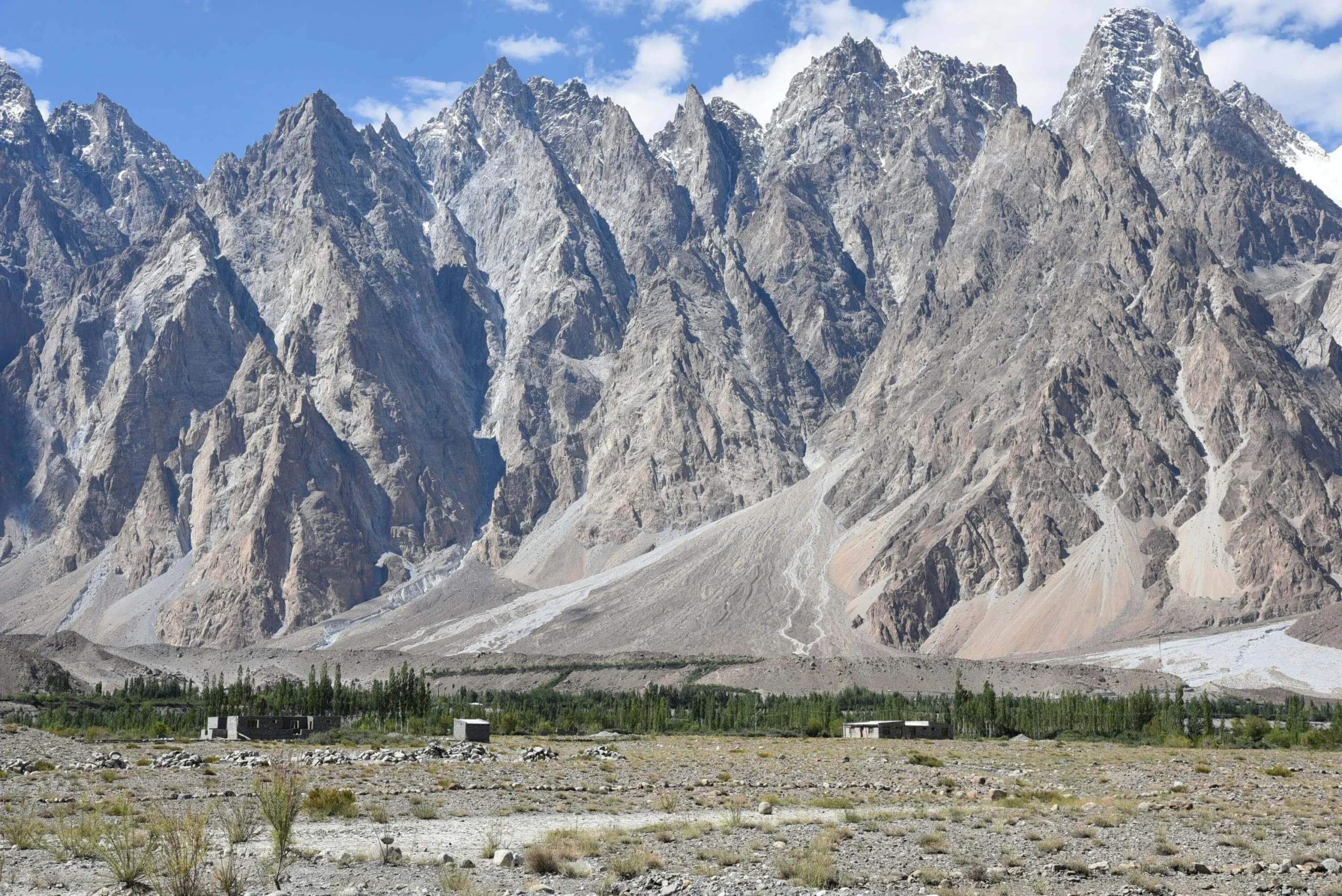
Khunjerab Pass
Extreme
Altitude
1 – 2 Days
May – September
Khunjerab Pass: The Highest and Most Extreme Border Crossing on Earth
Khunjerab Pass holds the title of the highest paved international border crossing in the world, sitting at an astonishing 4,693 meters above sea level. Located along the famous Karakoram Highway, this crossing connects Pakistan and China through one of the most extreme mountain environments on the planet.
At this altitude, even basic movement becomes difficult. Oxygen levels are significantly lower, and many travelers experience symptoms of altitude sickness within minutes. Headaches, dizziness, and shortness of breath are common, especially for those who are not acclimatized.
Weather conditions are equally harsh. Snowstorms can arrive suddenly, even during summer months, and temperatures can drop rapidly. During winter, the crossing shuts down completely due to heavy snow and dangerous conditions. The border is also tightly controlled, with military presence and strict regulations on both sides.
Despite the challenges, Khunjerab Pass attracts travelers seeking one of the most extreme and unique border experiences in the world.
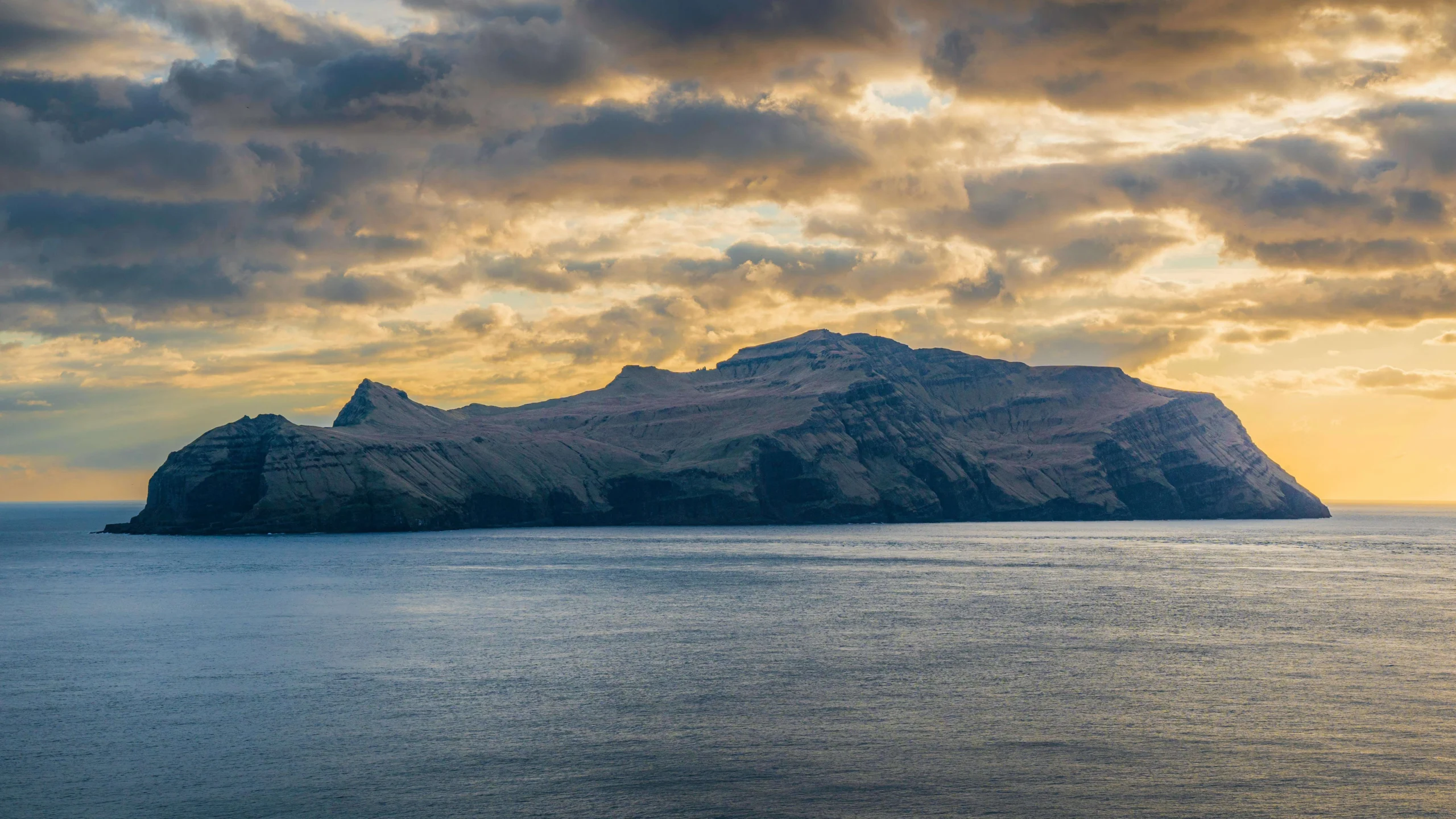
Diomede Islands
Near Impossible
Remote / Climate
Hours (Walking)
Winter (for ice)
The Diomede Islands Border Where You Can Walk Between the USA and Russia
The Diomede Islands create one of the most fascinating and unusual borders on Earth. Located in the middle of the Bering Strait, Big Diomede belongs to Russia while Little Diomede belongs to the United States. The distance between them is only 2.4 miles, making this one of the shortest international separations in the world.
What makes this crossing truly unique is the possibility, at least in theory, of walking from one country to another during winter when the sea freezes. This creates a natural ice bridge between two global powers. However, the situation is far more complex than it sounds.
Crossing here would also mean stepping across the International Date Line, effectively traveling forward or backward in time by an entire day. Despite the short distance, the crossing is extremely restricted. The Russian side hosts a military presence, and obtaining permission to enter is nearly impossible for regular travelers.
Combined with freezing Arctic conditions, unpredictable ice, and strict geopolitical control, the Diomede Islands remain one of the most searched but least accessible border crossings in the world.
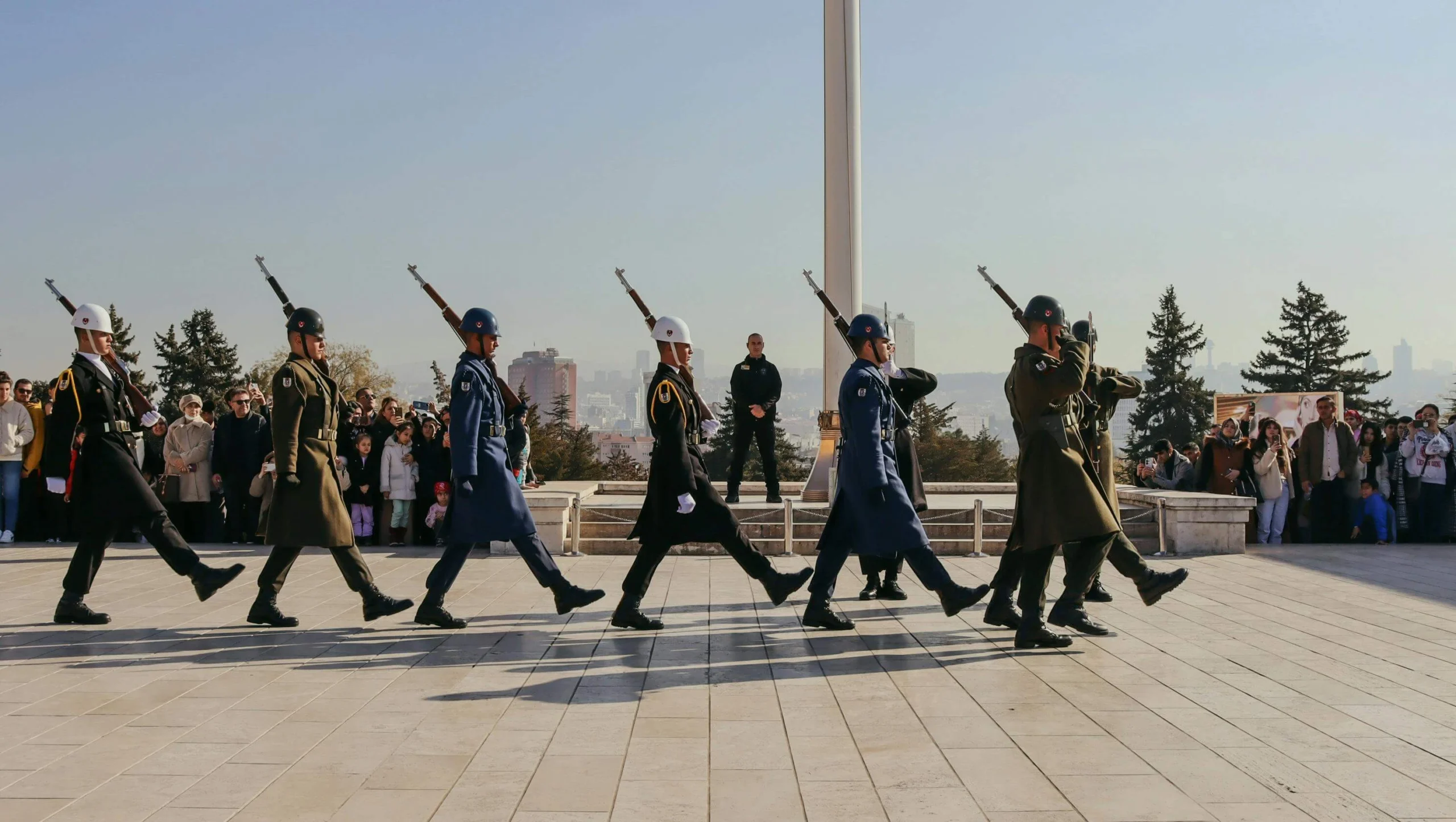
Wagah Border
High Tension
Geopolitical
2 – 5 Hours
Year Round
Inside the Wagah Border Ceremony: The Most Intense Crossing in the World
The Wagah Border between India and Pakistan is one of the most unique and emotionally charged border crossings on the planet. Unlike others on this list, the difficulty here is not physical but psychological and political. The atmosphere is intense, energetic, and unlike anything most travelers have ever experienced.
Every evening, thousands of spectators gather on both sides to watch the famous border ceremony. Soldiers perform highly choreographed routines filled with aggressive movements, loud chants, and symbolic gestures of rivalry. The energy in the crowd is electric, creating an almost stadium like environment at an international border.
For travelers, crossing Wagah involves strict security procedures, multiple checkpoints, and close inspection of documents. The process can feel overwhelming due to the heavy military presence and heightened tensions between the two nations.
Despite this, it remains one of the most famous border crossings in the world, attracting visitors who want to witness a powerful display of nationalism and history in real time.
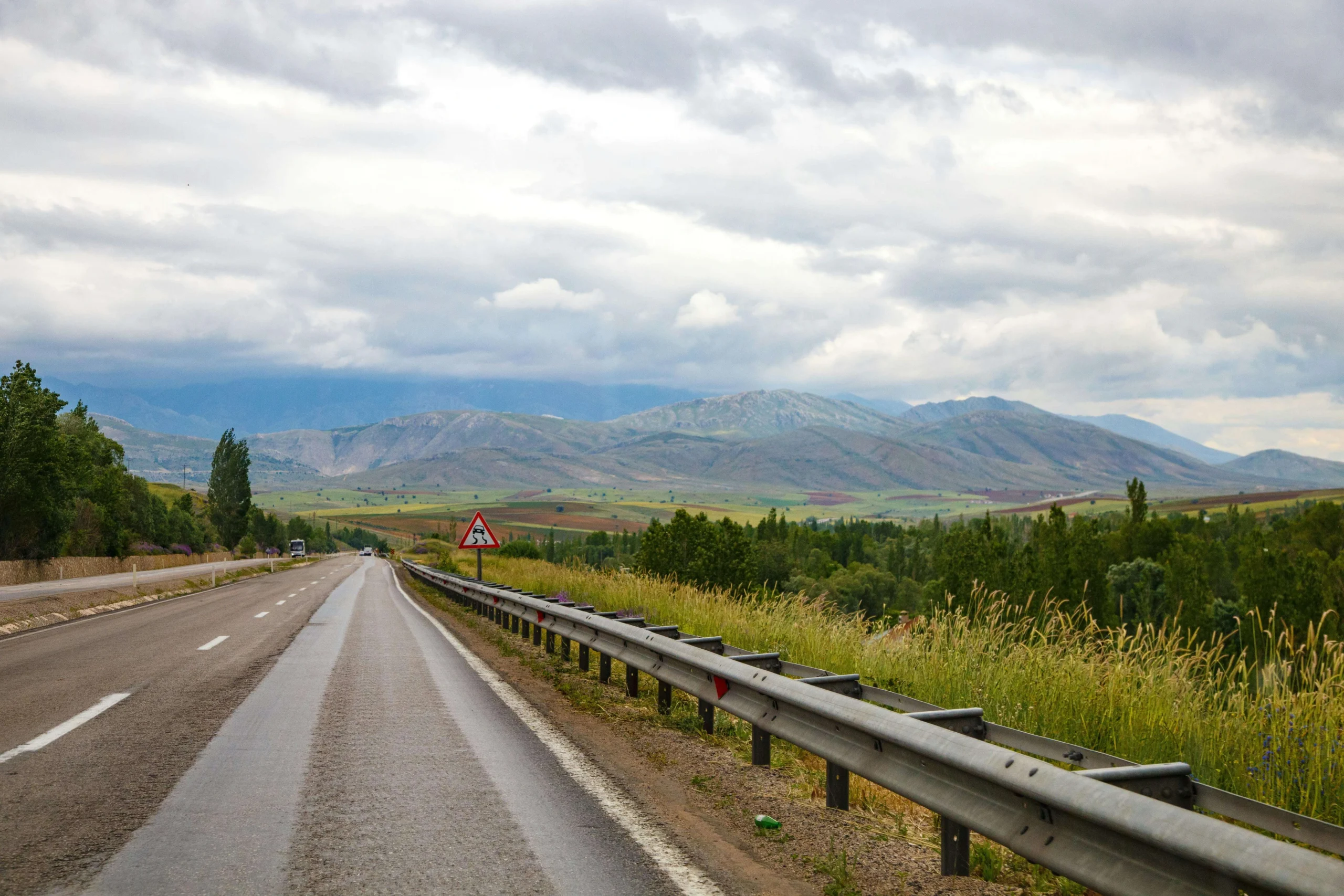
Torugart Pass
Extreme
Bureaucracy
1 Full Day
June – August
Torugart Pass: One of the Hardest and Most Restricted Border Crossings in the World
Torugart Pass is one of the most difficult border crossings in the world, not because of extreme terrain alone, but because of its complex and restrictive bureaucracy. Located high in the mountains along an ancient Silk Road route, this crossing requires careful planning long before you even arrive.
Travelers cannot simply show up and cross. Special permits must be arranged in advance, along with authorized transportation and guides. Independent travel is not allowed, and timing must be perfectly coordinated between both sides of the border.
One of the most challenging aspects is the vast no mans land that separates the two checkpoints. If your arranged transport is not waiting at the exact moment you are allowed through, you can become stranded in a remote, high altitude environment with no services nearby.
Weather conditions can also disrupt plans without warning, and the border may close suddenly due to holidays or political reasons. This combination of isolation, altitude, and bureaucracy makes Torugart Pass one of the most frustrating and extreme crossings in the world.
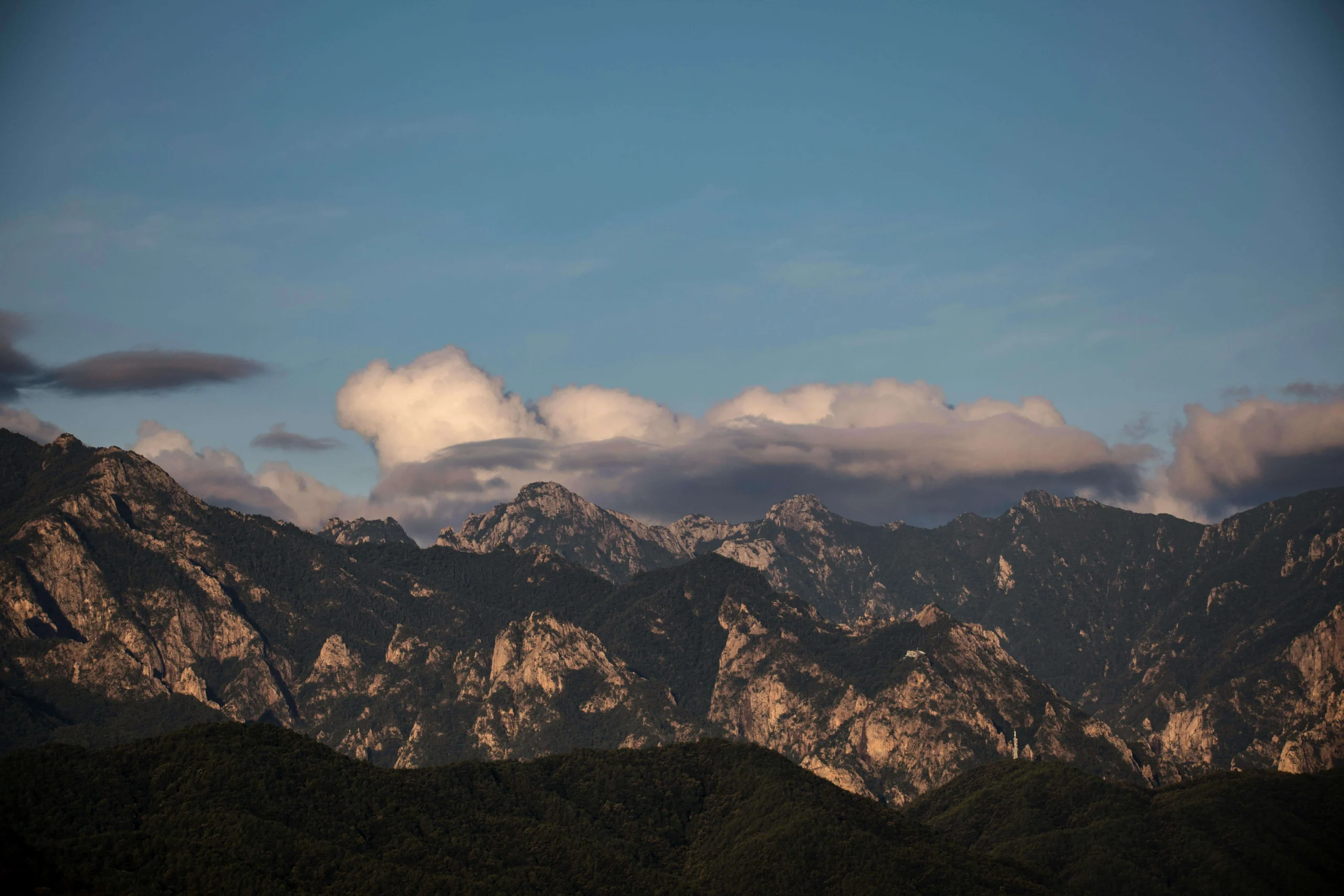
The DMZ (Panmunjom)
Restricted
Military
Day Tour
Year Round
The Korean DMZ: The Most Heavily Guarded Border on the Planet
The Korean Demilitarized Zone, known as the DMZ, is the most heavily fortified border in the world. It is not a traditional crossing point but rather a tense buffer zone that separates North Korea and South Korea. The area stretches across the peninsula and is filled with military defenses, surveillance systems, and hidden dangers.
Visitors cannot cross freely. Access is only possible through guided tours under strict military supervision. Even then, movement is tightly controlled, and every action is monitored. In certain areas, visitors can stand inside buildings where the border line runs directly through the room, placing them technically in both countries at once.
The region is lined with landmines, guarded by soldiers, and surrounded by layers of security infrastructure. Visitors must follow strict dress codes and sign waivers acknowledging potential risks.
The DMZ represents one of the most politically sensitive and dangerous borders in the world, making it a major point of interest for travelers and researchers alike.
Khyber Pass
Unpredictable
Safety
4 – 8 Hours
Spring / Autumn
Khyber Pass: A Historic Yet Dangerous Border Crossing Still in Use Today
The Khyber Pass is one of the most historically significant border crossings in the world, having been used for centuries by armies, traders, and empires. Today, it remains a critical route between Afghanistan and Pakistan, but it is also one of the most unpredictable and unstable crossings.
The region is known for security concerns, smuggling activity, and shifting political tensions. Border closures can happen suddenly, often without notice, due to conflicts or disputes between the two sides.
The terrain itself is rugged and imposing, with steep mountains and narrow passages that have shaped the region’s history. Travelers must navigate not only the physical environment but also complex visa requirements and security checks.
Despite its challenges, the Khyber Pass continues to attract global attention due to its historical importance and its reputation as one of the most dangerous border crossings still in use today.
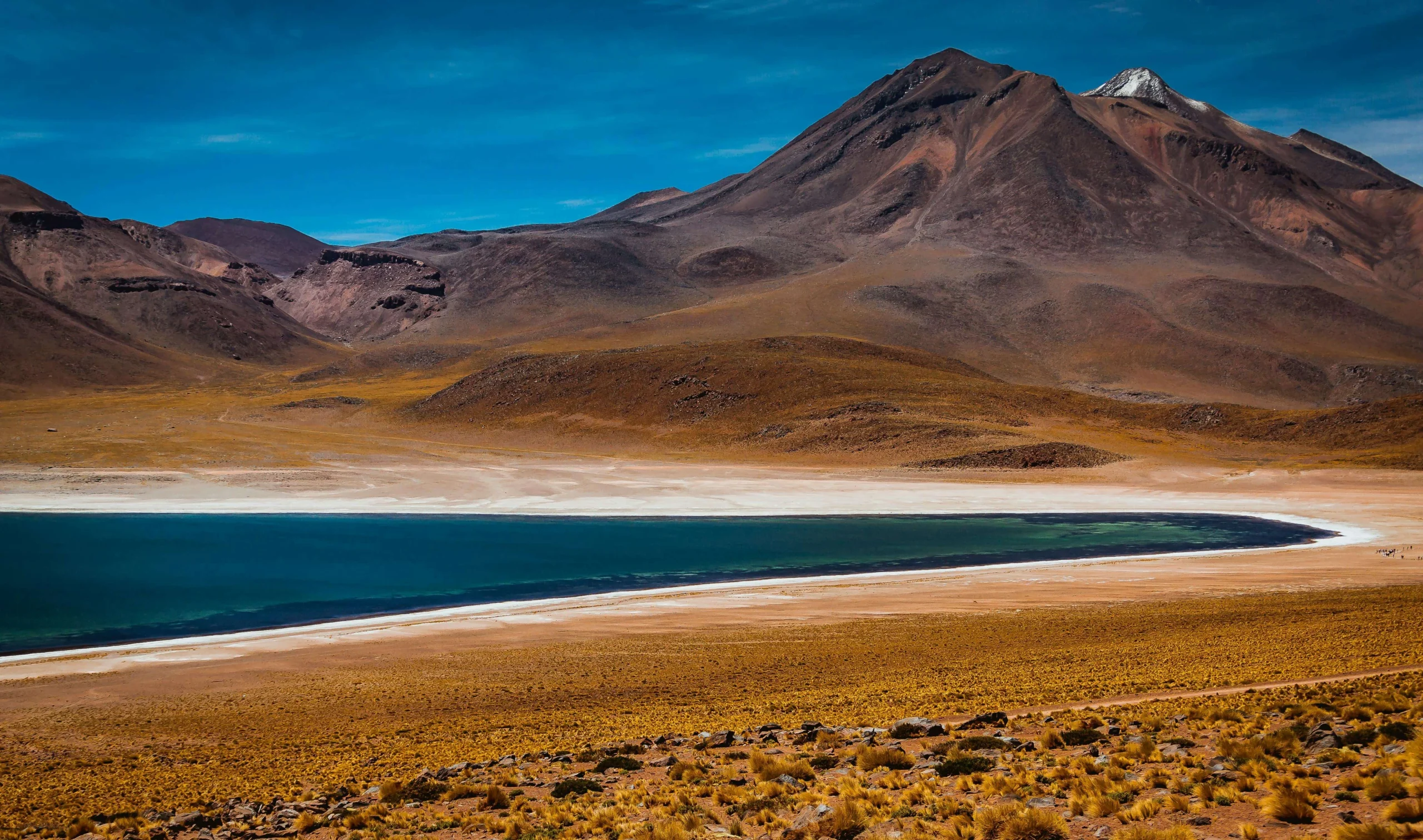
Atacama Desert
Hard
Environment
3 Days (Tour)
September – November
Crossing the Atacama Desert: One of the Harshest Border Environments on Earth
Crossing between Chile and Bolivia through the Atacama Desert means entering one of the most extreme environments on Earth. Known as the driest non polar desert in the world, this region offers almost no natural resources or support for travelers.
The journey is typically done in 4×4 vehicles that must carry all necessary supplies, including fuel, water, and emergency equipment. The route passes through high altitude terrain, often exceeding 4,000 meters, which adds an additional layer of physical difficulty.
Conditions can change rapidly. Days are hot and exposed to intense sunlight, while nights can become freezing. Strong winds and complete isolation make this crossing feel like traveling on another planet.
Even the border facilities are minimal, often consisting of small, remote buildings in the middle of vast open landscapes. This combination of altitude, dryness, and remoteness makes the Atacama crossing one of the most extreme desert border experiences in the world.
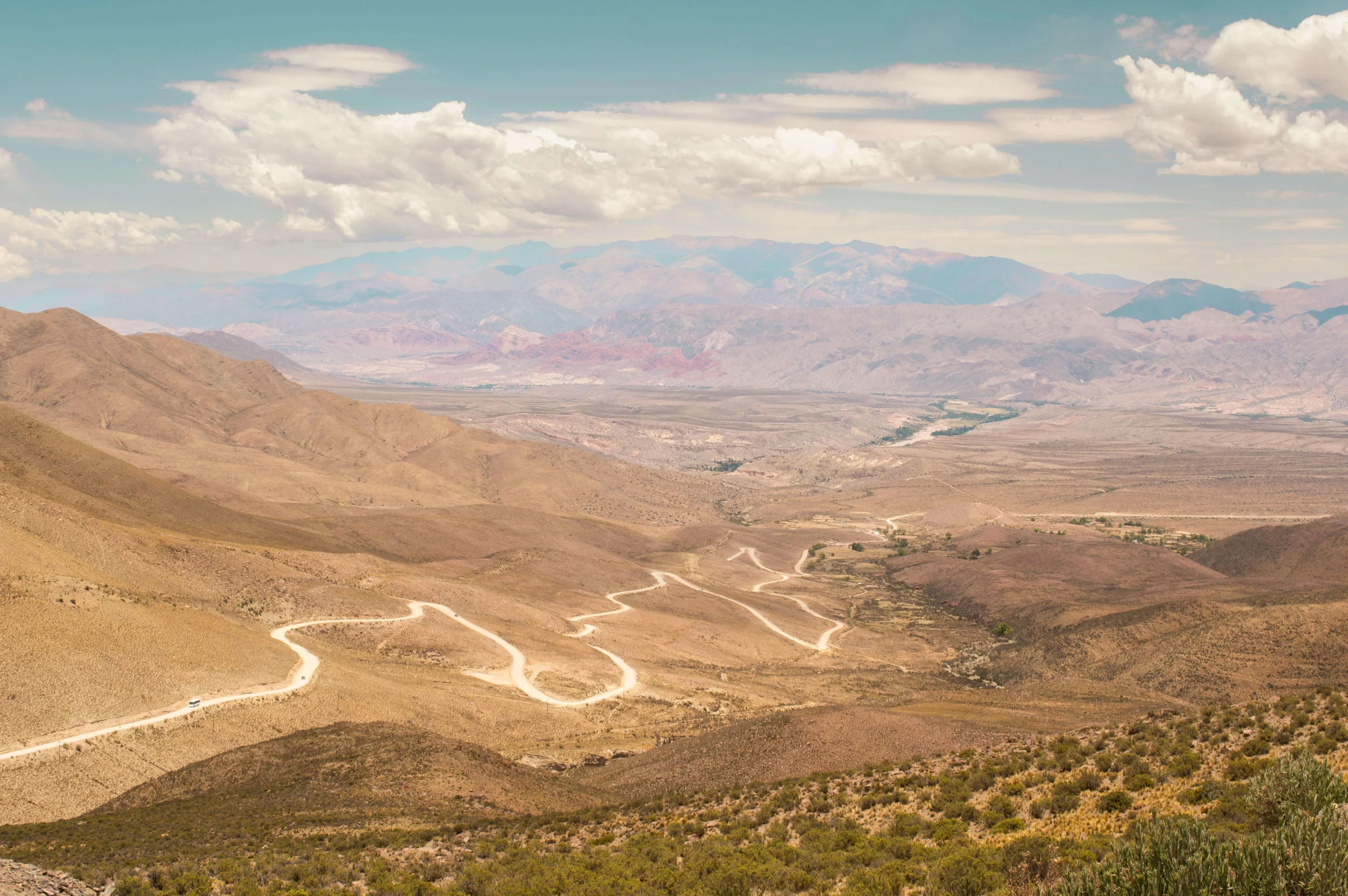
Semonkong Pass
Physical
Remote
1 – 2 Days
October – April
Semonkong Pass: A Remote Mountain Border Crossing Few Travelers Attempt
Semonkong Pass represents one of the most physically demanding and unconventional border crossings in the world. Located in the mountainous region between Lesotho and South Africa, many parts of this border are not marked by fences or official checkpoints.
Instead, the area is defined by steep trails, rocky paths, and remote terrain used mainly by local shepherds and villagers. Horses are often the primary mode of transport, and the routes can be difficult to navigate without local knowledge.
For travelers, crossing here requires significant physical endurance. Hiking through the mountains can take hours or even days, depending on the route. Weather conditions can also change quickly, adding to the difficulty.
While official crossings exist far away, the physical routes through Semonkong highlight how challenging and remote some international borders can be. It is one of the most unique mountain crossings in Africa.
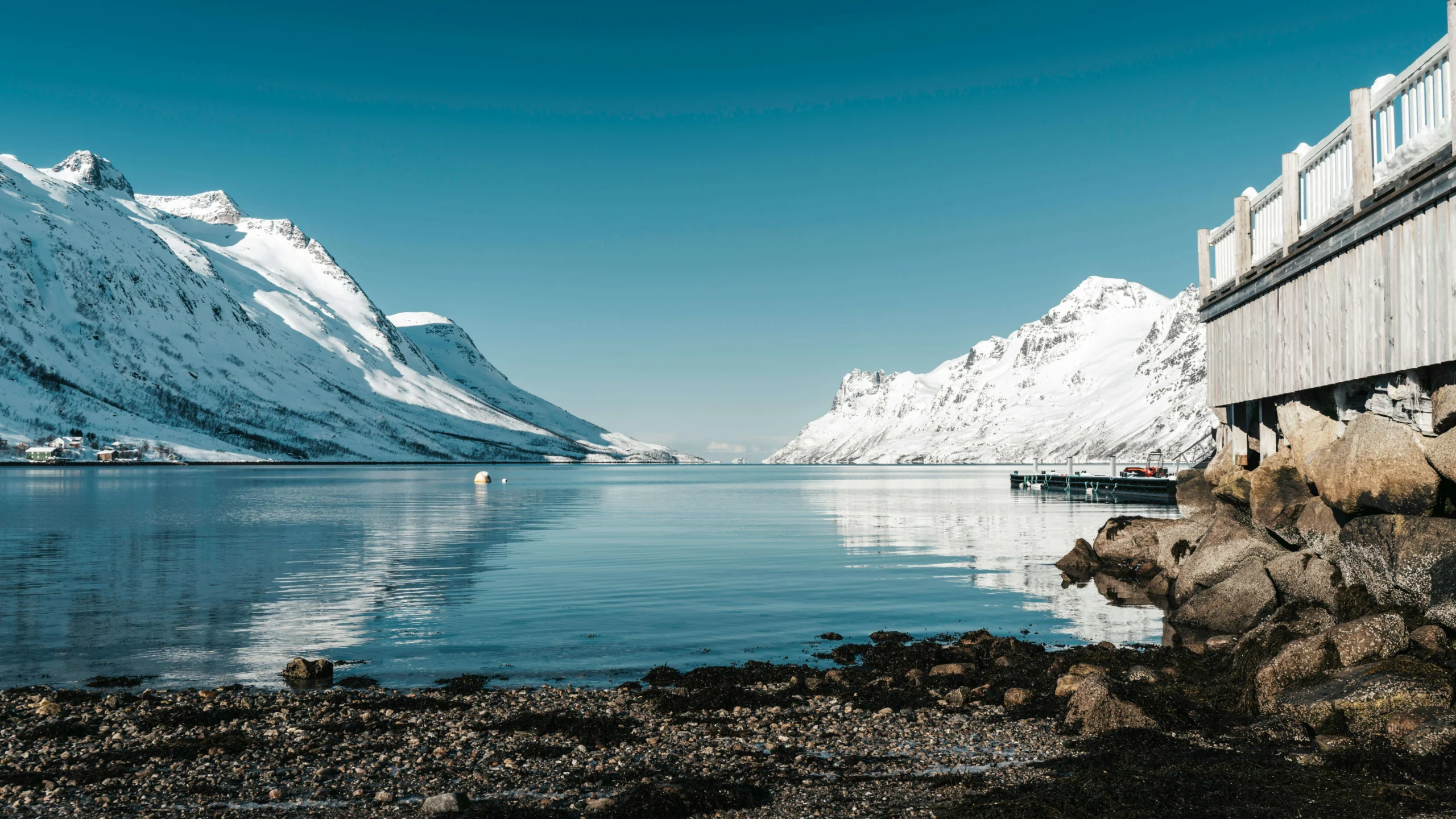
Bering Strait (Nautical)
Extreme
Legal / Climate
1 Day (Sailing)
July – August
The Bering Strait Crossing: One of the Most Extreme Ocean Borders in the World
Crossing the Bering Strait between the United States and Russia is one of the most extreme ocean journeys in the world. The distance may seem manageable, but the conditions make it incredibly dangerous even for experienced travelers.
The waters are freezing cold, filled with floating ice, and subject to strong and unpredictable currents. Weather conditions can shift rapidly, creating hazardous situations within minutes. Even during the summer months, the environment remains hostile and unforgiving.
Beyond the physical challenges, the legal aspect adds another layer of difficulty. Entering the Russian side requires special permits, particularly for restricted regions like Chukotka. Obtaining these permits can take months, and failing to do so can result in immediate detention.
This combination of harsh climate, difficult navigation, and strict regulations makes the Bering Strait one of the hardest and most dangerous international crossings on Earth.
No Cell Service at the Border? No Problem.
Don’t get caught scrambling for paperwork when you lose signal. Download the complete South America Transit Guide directly to your device and access every critical detail, fast-track strategy, and border rule – 100% offline.