Monthly Update (October 2026):
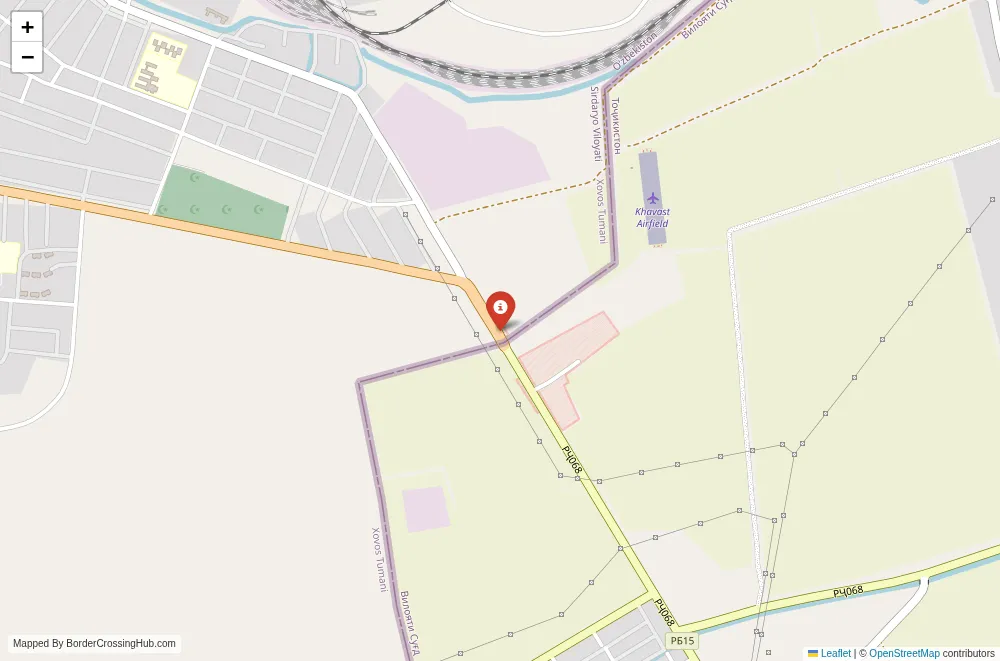
Khavasobod–Zafarabad continues to operate as a 24-hour international road crossing between Uzbekistan's Syrdarya region and Tajikistan. The crossing forms part of the broader network that has expanded since relations between the two countries improved, and there is no significant October closure to report. Traffic is generally more regional and commercial than tourist-heavy.
About this crossing
Location and Connections
The checkpoint lies in the transition from Uzbekistan's Syrdarya plains to Tajikistan's Sugd lowlands, roughly 150 km southwest of Tashkent and about 100 km from Khujand. From Uzbekistan, highways lead north from Jizzakh or Gulistan to Khavast district; from Tajikistan, roads from Khujand head south to Zafarabad district. Shared taxis or private cars manage approaches on both sides, with the neutral zone compact for a brief drive or walk between facilities. The area features flat, irrigated agricultural land, cotton fields, orchards, and scattered villages that highlight the valley's productivity. No rail passenger service crosses here, though freight rail operates in nearby corridors.
Historical and Geopolitical Background
The Uzbekistan-Tajikistan border exceeds 1,300 km, defined by Soviet delimitations in the 1920s and 1930s that carved up the Ferghana Valley and surrounding regions into complex territories with enclaves and disputes. Khavasobod-Zafarabad functioned amid post-independence strains, including closures for security or resource issues. Relations thawed significantly after 2016, leading to multiple reopenings and infrastructure enhancements. This point ties into valley trade, with Zafarabad district supporting agriculture and Khavast linked to industrial and transit routes. Fun fact: the Ferghana Valley's borders once fragmented communities across arbitrary lines, but recent agreements have facilitated smoother exchanges and reduced long-standing frictions across much of the frontier.
Nearby Border Crossings


Current Status and Operating Hours
As of early 2026, Khavasobod-Zafarabad operates 24/7 for vehicles and pedestrians, per consistent border listings. It handles lighter volumes than major points, offering quicker passage for eligible travelers. No major disruptions reported recently amid ongoing cooperation between Tashkent and Dushanbe. Summer heat and dust prevail (May to September), heightening dehydration risks; winters bring milder conditions with occasional rain impacting unpaved access. The crossing's round-the-clock regime suits night or early travelers, though practical use often clusters during daylight. Verify status through Uzbek Customs Committee, Tajik Border Service, or traveler resources like Caravanistan, as even established points can see temporary shifts.
Crossing Procedures Step by Step
You exit one country then enter the other. From Uzbekistan to Tajikistan: at Khavasobod Uzbek post, submit passport for exit stamp, respond to questions on travel purpose, and undergo vehicle inspection if driving. Proceed across the short neutral zone to Zafarabad Tajik immigration for entry stamp, possible customs scan, and basic security review. The reverse follows the same order. Procedures rely on manual processing with standard checks; vehicles require insurance verification and compliance. Wait times generally range from 30 minutes to 1.5 hours, frequently shorter due to moderate traffic. Foreigners typically report efficient handling, though minor additional inquiries can occur at highway points.
Visa Requirements for Foreign Visitors
Tajikistan grants visa-free entry or e-visas for many nationalities (up to 30 or 60 days depending on passport; review eligibility lists). Uzbekistan requires e-visas for most foreigners (apply online in advance via official portal, fees $20-50 USD, processing 2-3 days; no visa-on-arrival at land borders). Print e-visa confirmation; carry passport copies and photos. Passports need six months validity. Certain nationalities face restrictions or extra steps. Highway crossings enforce documentation strictly; inconsistencies result in delays or refusals. Confirm with embassies or sites for your nationality, as policies have held steady with bilateral progress.
Transportation Options and Road Details
Shared taxis from Tashkent or Jizzakh reach Khavast (2-3 hours on paved highways); from Tajikistan, taxis from Khujand to Zafarabad take about 1-2 hours. Private vehicles cross with proper insurance and registration. No routine direct buses cross, so arrange local onward transport after clearance. Roads include solid highways near urban centers but shift to dustier or less maintained sections closer to posts, with agricultural and local traffic prevalent. Full Tashkent-Khujand trip spans 5-7 hours including border time. Daylight preferred for road conditions and visibility, though 24/7 status allows flexibility.
Scams & Warnings
Moderate traffic limits tourist-specific scams, but travelers occasionally face poor exchange rates near posts (change small amounts elsewhere) or inflated taxi fares from unofficial drivers. Decline "assistance" offers and use official lanes. The region has stabilized through agreements, with no major incidents at this crossing lately. Foreigners may receive extra questions; avoid unofficial paths to prevent guard issues. Monitor news, register with embassies, and keep contacts accessible. Overall low risk for prepared visitors.
Nearby Attractions and Practical Tips
Khujand on the Tajik side features the vibrant Panjshanbe Bazaar, ancient forts, and Silk Road museums. In Uzbekistan, Syrdarya and nearby areas offer valley markets or onward to Tashkent's historic sites. Carry USD cash for fees/exchange, bottled water, snacks, sunscreen, and multiple passport copies. Begin journeys early or timed to hours if needed; consider Oybek as backup. Translation apps support local exchanges.
Final Notes for Planning
Khavasobod-Zafarabad delivers a reliable 24/7 highway option for Uzbekistan-Tajikistan travel with moderate crowds and solid infrastructure. Confirm latest status, prepare e-visas and documents ahead, and account for standard procedures. With basics covered, it facilitates smooth crossing across this productive valley frontier. Safe travels.
View all border crossings between Uzbekistan and TajikistanPractical information
Fuel
Uzbekistan: 3 km - Tajikistan: 2 km
Currency
UZS; TJS in towns; ATMs limited
Safety information
Rural crossing; limited services
Connectivity
Wi-Fi points; 4G
Have you crossed here?
Help other travelers by sharing your experience, wait times, and any updates.