No visas, no interrogations, and sometimes not even a fence. Forget the passport anxiety. Here are ten international borders you can cross without breaking a sweat.
1 Aachen & Vaals Border Crossing
Germany — Netherlands
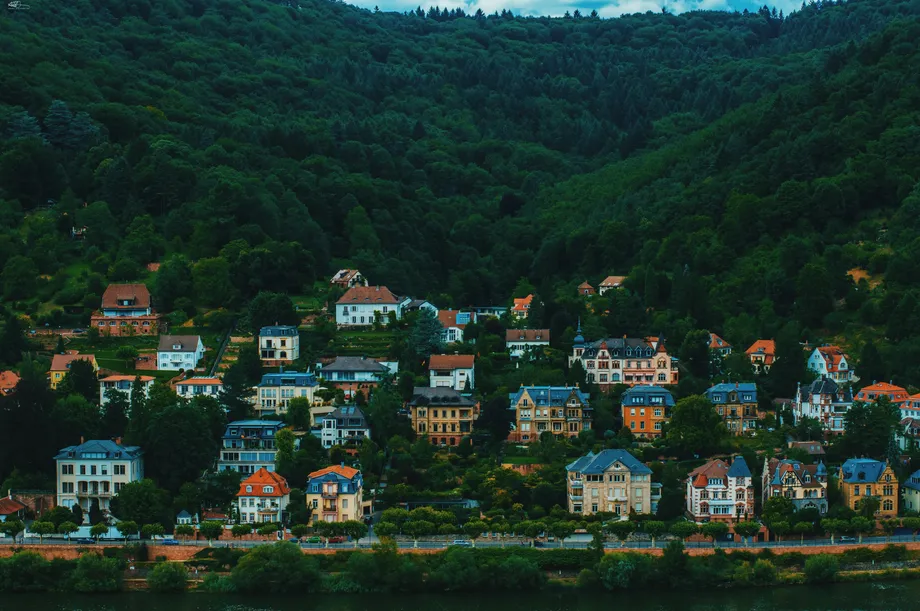
The crossing between Aachen in Germany and Vaals in the Netherlands is one of the most seamless international borders anywhere in the world. The boundary runs directly through a fully integrated urban area, with streets, sidewalks, residential neighborhoods, and commercial zones continuing uninterrupted from one country into the other. In many places, the only indication that you have crossed into a different nation is a small marker or a subtle change in signage.
Locals move back and forth constantly for work, shopping, and daily life, often without even realizing they have crossed a national border. The area feels like a single city rather than two separate countries, reinforced by shared infrastructure and close economic ties. Its proximity to the Belgium tripoint also makes it a unique geographic curiosity.
2 Konstanz & Kreuzlingen Border Crossing
Germany — Switzerland
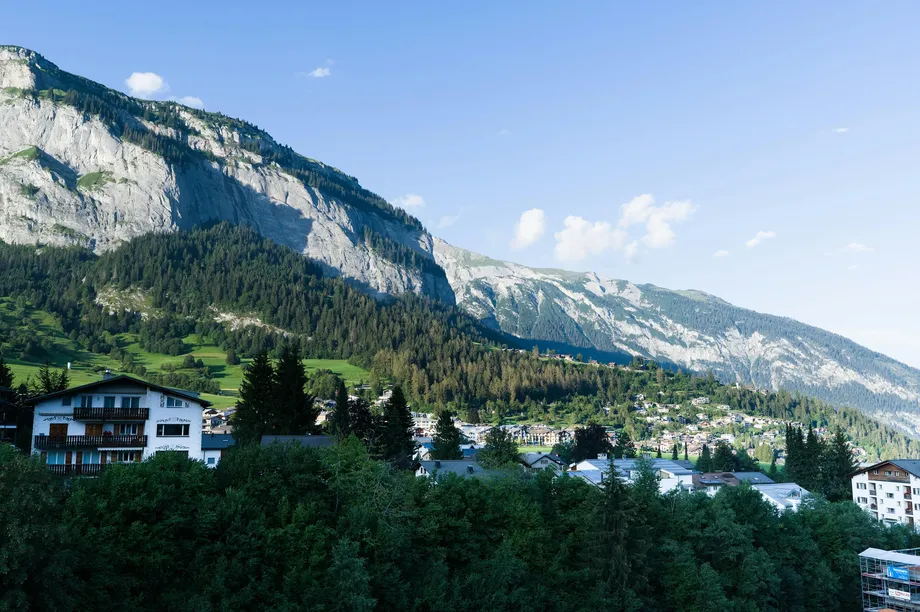
Konstanz in Germany and Kreuzlingen in Switzerland form a tightly connected urban region along the shores of Lake Constance. The border cuts through residential neighborhoods, parks, and shopping districts, yet remains almost completely invisible to visitors. People can walk across streets and public spaces without encountering any checkpoints or barriers.
The cities share strong economic and cultural links, with many residents living on one side and working or studying on the other. The lakefront promenade and surrounding areas reinforce the sense of continuity, making the crossing feel like movement within a single municipality rather than between two countries.
3 Gubin & Guben Border Crossing
Poland — Germany
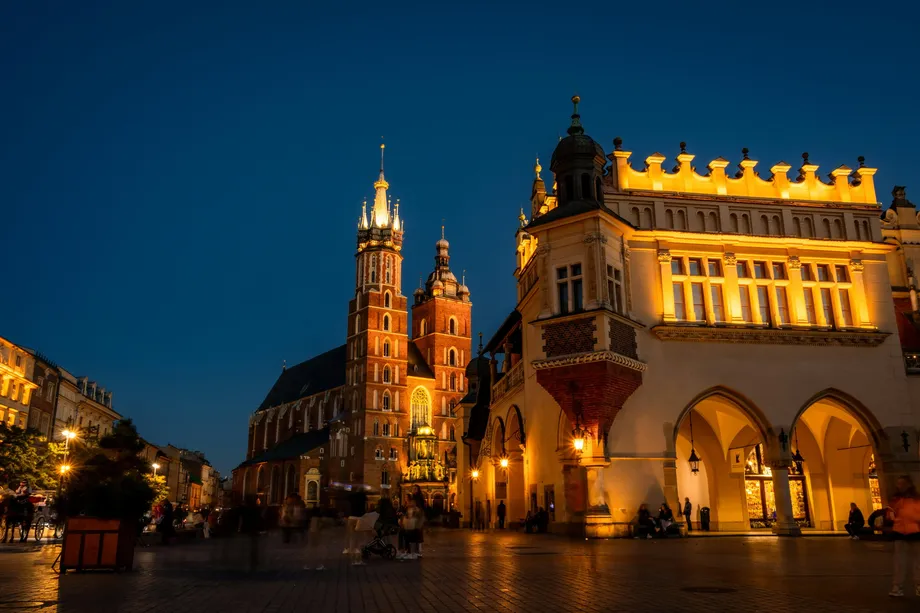
Gubin in Poland and Guben in Germany were once a single city before being divided after World War II. Today, they remain closely connected, with bridges and roads linking both sides across the river that now marks the border. The urban layout allows people to move freely between the two towns without encountering physical barriers.
Residents frequently cross for shopping, employment, and social life, and the shared history of the area is still evident in its layout and daily routines. Walking or driving across the border feels completely normal, as there are no checkpoints or interruptions along the way.
4 Puigcerdà & Bourg‑Madame Border Crossing
Spain — France
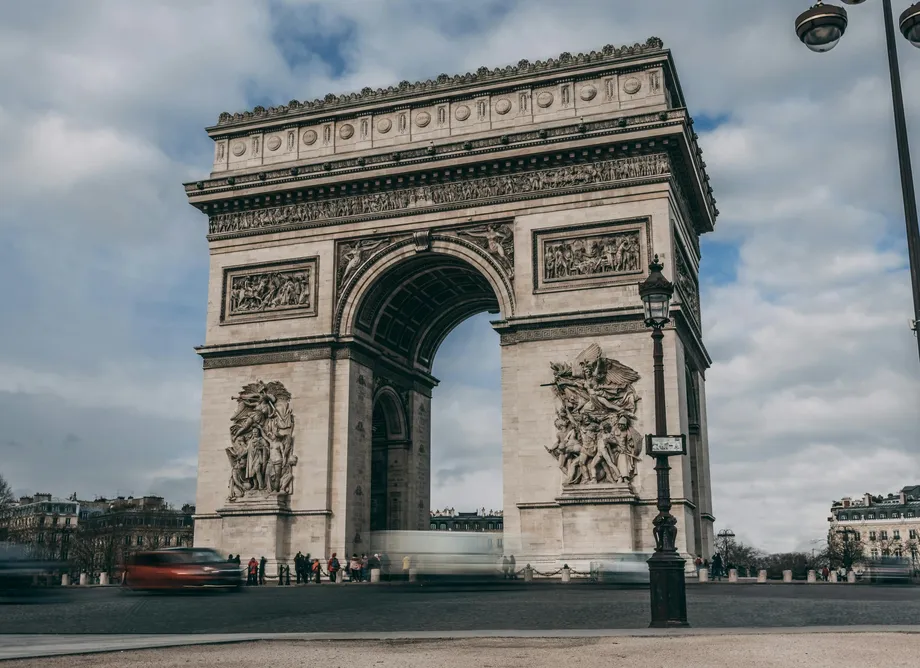
Puigcerdà in Spain and Bourg-Madame in France form a small but fully integrated town in the Pyrenees. The border runs directly through the urban area, often marked only by a sign or subtle change in road markings. Streets, homes, and businesses continue seamlessly from one country to the other.
People cross daily for basic activities like shopping, dining, and commuting, with no interruption or formal process. The mountainous setting adds to the charm, but the crossing itself feels completely ordinary, like moving between neighborhoods.
5 Bayerisch Eisenstein & Železná Ruda Border Crossing
Germany — Czech Republic
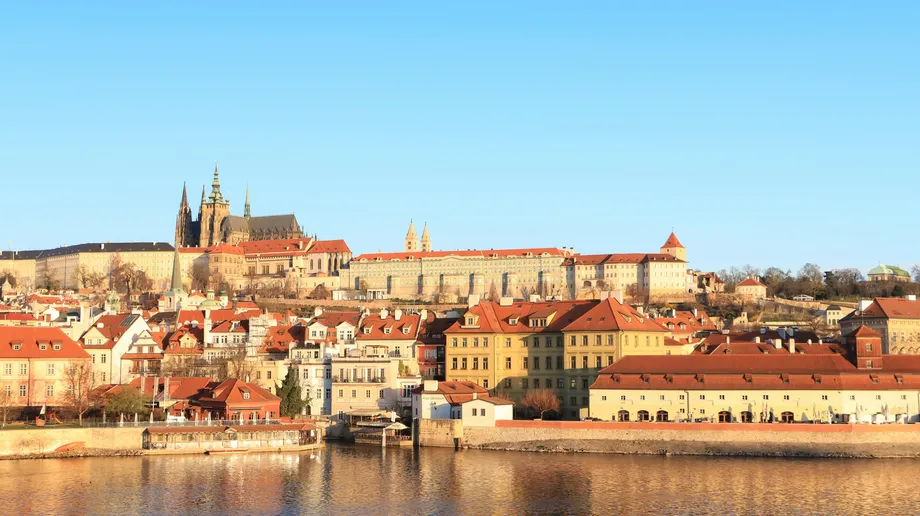
This crossing between Germany and the Czech Republic is famous for its unique railway station, which is literally split by the international border. Inside the station, a line on the floor marks where one country ends and the other begins, allowing travelers to walk freely between them.
Outside the station, the surrounding town and forested landscape are equally open, with roads and walking paths crossing the border without restriction. The area is popular with hikers and tourists who can move between countries without any formalities.
6 Aden, Alberta & Whitlash, Montana Border Crossing
United States — Canada
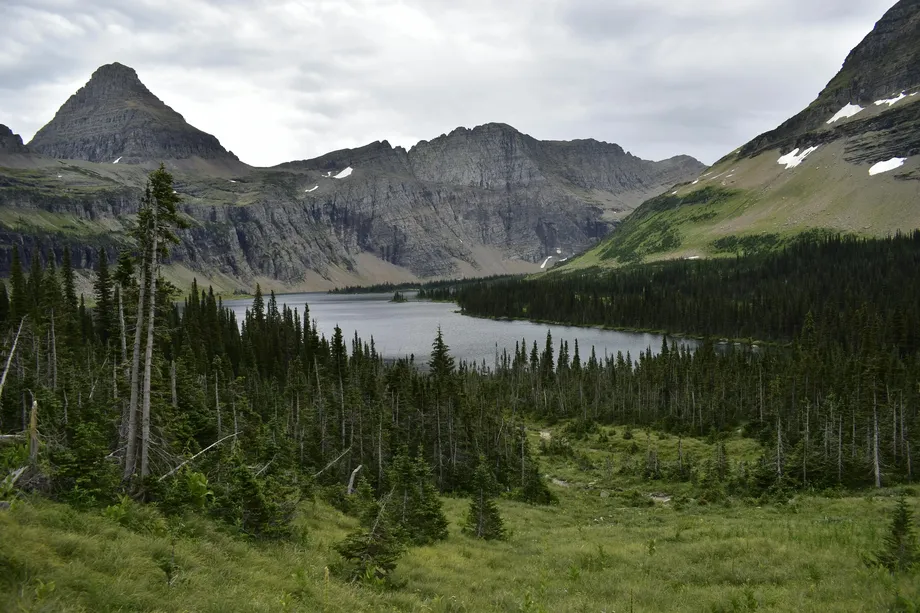
The Whitlash in Montana and Aden in Alberta crossing is located in a remote prairie region far from major population centers. The landscape is vast and sparsely populated, and the crossing serves mostly local residents, farmers, and occasional travelers. Facilities are minimal, reflecting the low demand.
Because so few vehicles pass through each day, there are rarely any lines or delays. Travelers often arrive to find no waiting vehicles at all, making the process quick and straightforward compared to busy crossings elsewhere.
7 Chopaka, Washington & Nighthawk, British Columbia Border Crossing
United States — Canada
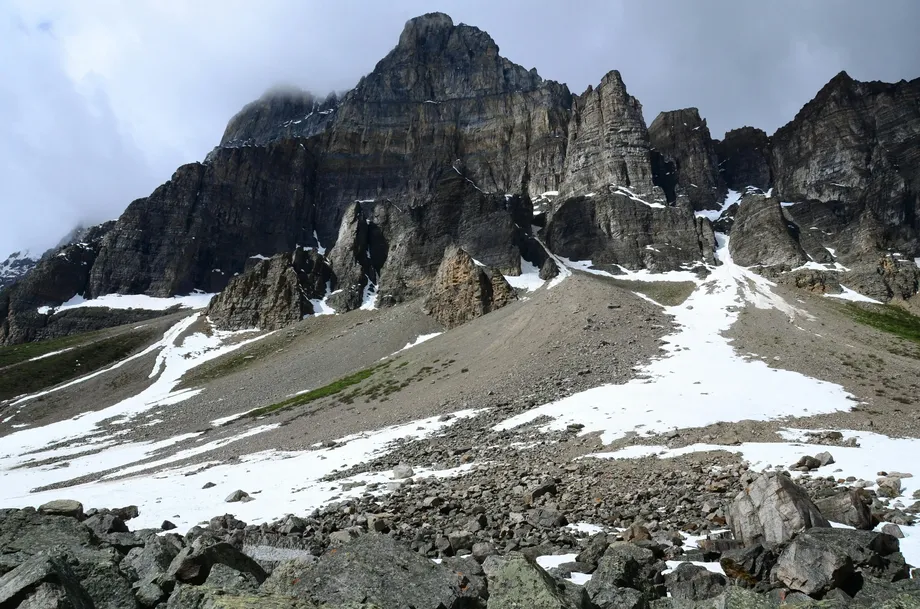
This crossing between Washington State and British Columbia sits in a quiet, mountainous area with very limited traffic. Surrounded by natural landscapes, it is primarily used by locals and travelers exploring remote regions rather than large volumes of commercial or tourist traffic.
The facilities are small and operate on limited hours, but the low number of vehicles means that wait times are usually minimal. Crossing here feels calm and unhurried compared to major border points.
8 Del Bonita Border Crossing
United States — Canada
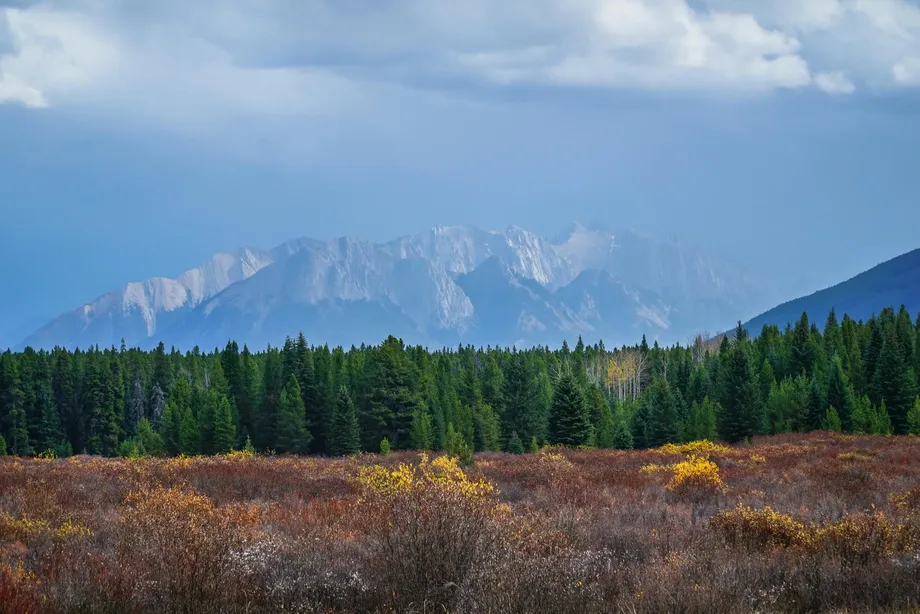
The Del Bonita crossing connects Montana and Alberta across open prairie land, serving a small agricultural community. The area is quiet and isolated, with little commercial traffic and only occasional personal travel.
The simplicity of the crossing and the lack of congestion make the experience fast and predictable. Travelers rarely encounter lines, and the process is straightforward due to the limited number of crossings each day.
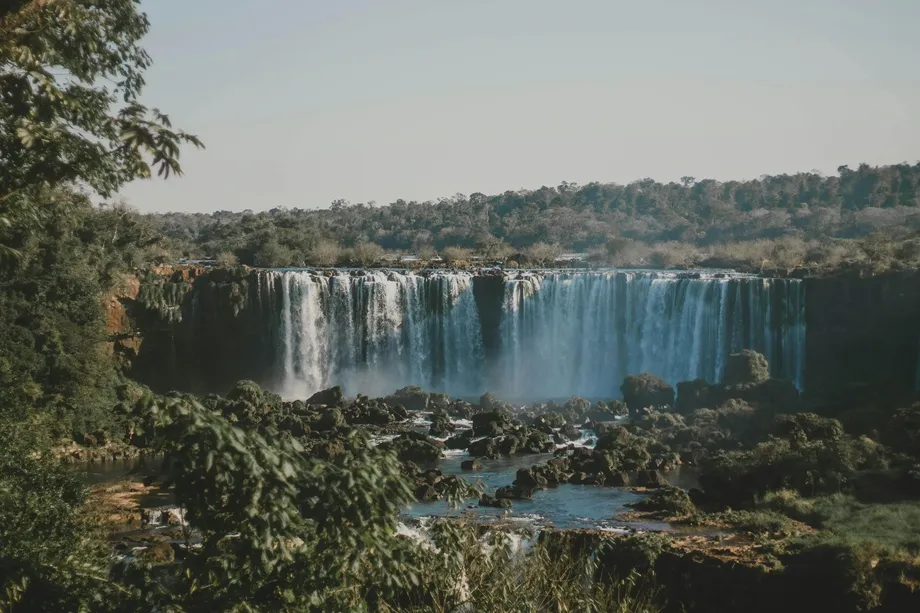
9 Foz do Iguaçu & Puerto Iguazú Border Crossing
Brazil — Argentina
This crossing connects Argentina and Paraguay near the Iguazú Falls region, one of South America’s most visited destinations. Despite the tourist traffic, the infrastructure is designed to handle a steady flow of visitors efficiently, with organized processing and clear procedures.
The surrounding area is economically interconnected, with frequent cross-border movement for work, shopping, and tourism. The crossing feels busy but well-managed, allowing travelers to pass through without excessive delays.
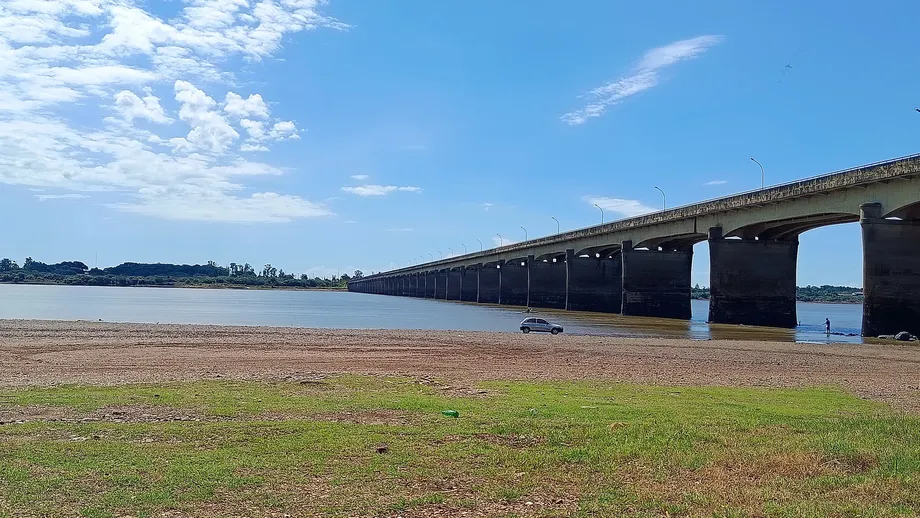
10 Uruguaiana & Paso de los Libres Border Crossing
Brazil — Argentina
This crossing between Brazil and Argentina is one of the main connections between the two countries, handling both passenger vehicles and commercial freight. The facilities are large and designed to manage high volumes of traffic efficiently.
Despite its importance, the crossing is well organized, with established procedures that keep movement flowing. Travelers benefit from infrastructure built to handle constant use, making the process smoother than expected for such a busy border.
