
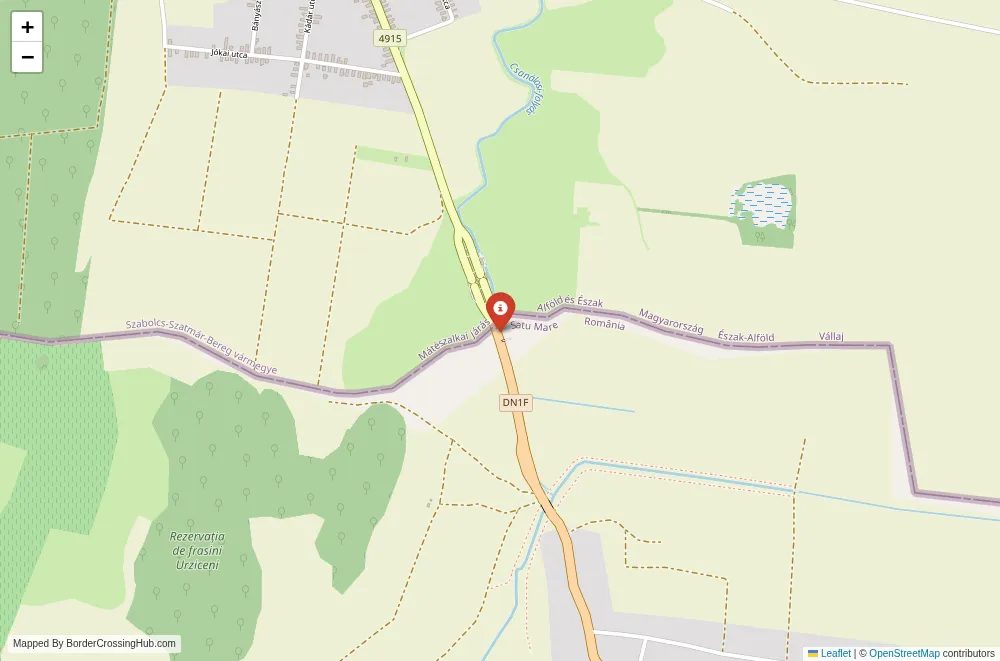
Approximate Border Location
Wait Times
Train 30-120m; peaks 120-240m checks
Just crossed? Tap to report:
Operating Hours
Rail by timetable; typical 06:00 AM-10:00 PM
Crossing Types
Trains only; checks onboard/stations
Border Type
Border crossing via rail checkpoint
Peak Times
Evenings; weekend travel
Daily Crossings
200-900/day
Currency Exchange
HUF; RON in Carei; ATMs
Safety Information
Long checks possible; limited station services
Languages Spoken
Hungarian/Romanian
Accessibility Features
Station access varies; limited ramps
About Portile de Fier I & Đerdap I
Monthly Update (March 2026):
As of 03/2026, the Portile de Fier I & Đerdap I Border Crossing sees steady vehicle flow across the Danube dam. Cars and trucks move through the checkpoint fairly regularly, though inspections on the Serbian side can slow things during busier hours. Midday crossings usually pass quicker. Weekend travel and freight runs can stretch the line.
No Cell Service at the Border? No Problem.
Don’t get caught scrambling for paperwork when you lose signal. Download the complete Europe Transit Guide directly to your device and access every critical detail, fast-track strategy, and border rule – 100% offline.
The Portile de Fier I (Đerdap I) crossing crosses the Danube atop the massive Iron Gate I hydroelectric dam, forming a unique road border between Romania and Serbia in one of Europe’s most dramatic gorges.
Alternative Names
You will see it as Portile de Fier I Road (Romanian side), Đerdap I (Serbian side), Iron Gates I border, or Porțile de Fier I / Đerdap I. It ties to the Iron Gate I Hydroelectric Power Station, often just called the Iron Gates dam border.
Location and Connections
The dam spans the Danube at the Iron Gates gorge, where the river narrows dramatically between the Carpathian and Balkan mountains. On the Romanian side, it sits near Drobeta-Turnu Severin in Mehedinți county, accessible via national road DN56 or E70 from Timișoara or Bucharest (about 4-5 hours drive). The Serbian side connects to Kladovo in Bor district, with routes onward to Belgrade or eastern Serbia. The road over the dam handles international traffic, linking the two countries directly across this engineering marvel. No pedestrian walking across is allowed; vehicles only.
Historical Background
The Iron Gates gorge has long served as a natural frontier, with ancient features like Trajan’s Bridge remnants nearby. The modern dam, completed in 1972 as a joint Romanian-Yugoslav (now Serbian) project, tamed the Danube for power generation and navigation while creating the border crossing on top. Construction flooded historic sites and altered local communities, but the dam became a symbol of cooperation. It produces significant electricity (Romanian side around 5.24 TWh annually, Serbian side 5.65 TWh) and supports shipping locks for river traffic.
Geopolitical and Economic Role
This crossing handles passenger vehicles and some freight in a region of high strategic value due to the shared hydroelectric facility and Danube navigation. It supports tourism, local trade, and transit between the Balkans and Central Europe. The dam’s midpoint marks the exact border, with joint power management allowing energy exchange. Migration pressures have occasionally affected the area, but controls focus on standard traffic. The point remains active amid Romania’s Schengen integration and Serbia’s EU aspirations, though not a primary migrant route compared to land borders further west.
Operating Hours and Current Status
The crossing operates 24 hours daily for international road traffic, including passenger cars and light vehicles. It functions under the Romanian Border Police Sector Drobeta Turnu Severin and Serbian counterparts at Đerdap I. No major seasonal reductions apply, though river levels or maintenance can influence access. Always check official sites like politiadefrontiera.ro (Romanian) or Serbian border police for updates, as occasional spot adjustments occur for security or technical reasons.
Visa Requirements for Foreign Visitors
Romania (EU/Schengen) offers visa-free entry for many nationalities (US, Canada, Australia, EU passports) up to 90 days. Serbia provides visa-free access for similar wide ranges, typically 90 days. Third-country nationals must satisfy both countries’ rules; carry your passport for stamping. No visa-on-arrival issues at this point for most; EES biometric registration may apply under Schengen for some. Confirm your nationality via embassies, as entry/exit must align.
Crossing Procedures Step by Step
Approach from Romania (Drobeta-Turnu Severin side) for exit checks: present passport and vehicle documents at Romanian booths. Drive across the dam road (short bridge section) to Serbia (Kladovo side) for entry stamping and customs review. Officers may inspect vehicles briefly. You stay in your car; the process often takes 20-60 minutes, depending on queues. Separate lanes exist for freight or buses if applicable. No walking across the dam; vehicles only.
Wait Times and Peak Periods
Waits average 20-60 minutes but can stretch to 1-2 hours during summer tourism peaks, weekends, or holidays when travelers head to Đerdap National Park or Romanian sites. Early mornings or weekdays move faster. It handles moderate volume better than smaller points but builds during vacation seasons.
Transportation Options After Crossing
Private cars dominate; buses from Drobeta-Turnu Severin or Kladovo reach the area but rarely cross directly (most use other routes). On the Serbian side, roads lead to Kladovo for local buses or further to Belgrade. In Romania, connections go to Drobeta-Turnu Severin for trains or buses onward. Taxis available near towns, but own transport suits the remote gorge best.
Road Conditions and Scenery
The dam road offers solid pavement with views of the vast reservoir and steep gorge walls. Approach roads from Romania (E70/DN56) and Serbia (route 35) feature winding sections with dramatic Danube vistas, cliffs, and forests. The gorge scenery is stunning: narrow passages, islands, and wildlife. Drive cautiously on curves.
Weather and Seasonal Impacts
Summers bring heat and heavy tourist traffic; winters risk fog, ice, or snow on gorge roads, though the dam crossing clears quickly. High water or low reservoir levels occasionally affect navigation but rarely close the road. Rain makes gorge sections slippery.
Nearby Attractions
On the Romanian side, Iron Gates Natural Park features hiking, the Decebal face carving, and Danube cruises. Serbian Đerdap National Park offers Golubac Fortress, Trajan’s Table, and viewpoints like Ploče. Drobeta-Turnu Severin has Roman ruins; Kladovo provides riverfront relaxation.
Practical Travel Tips
Cross early to avoid peaks. Carry euros or local currencies (lei/dinars) for fees or fuel. Purchase Romanian vignette for roads if needed. Use bottled water and snacks for waits. Monitor river cruise schedules if combining with boat travel through the gorge.
Common Scams and Warnings
Reports stay low, but watch for unofficial currency changers near booths offering poor rates. Ignore “assistance” touts for forms or fast lanes. Stick to official queues; some travelers note thorough vehicle checks during busy times. The dam road has no pedestrian option, so hitchhikers approach cars in queues carefully.
Cultural and Economic Notes
The area blends Romanian and Serbian influences along the shared Danube, with fishing, tourism, and hydro power central to local economies. The dam fosters joint projects and cross-border nature appreciation in protected parks.
Final Planning Advice
This dam-top crossing delivers an engineering spectacle and gorge access, perfect for scenic drives between Romania and Serbia. Verify conditions officially, time your trip for lighter traffic, and prepare for the unique Danube setting. Safe travels.
No reviews yet.