Monthly Update (September 2026):
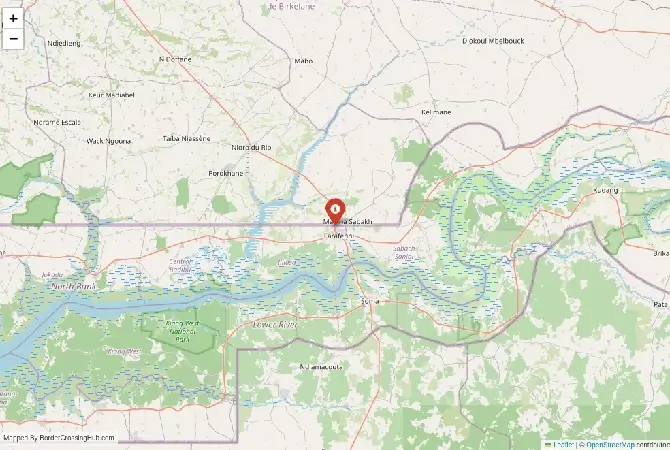
Farafenni & Keur Ayib remains one of the most important Gambia-Senegal crossings, with the Senegambia Bridge making this the practical road route between the two countries. Security cooperation around the crossing has been particularly visible this month: Gambian and Senegalese security officials met at Kerr Ali-Keur Ayib on September 1 and praised their joint work at the frontier. A recent migrant-smuggling investigation involving the Farafenni-Keur Ayib area has also brought additional attention to the border, although there is no indication that normal passenger traffic has been suspended.
About this crossing
This is not a quiet rural crossing. It sits on a major transport route and sees constant movement of trucks, buses, and private vehicles.
The Senegambia Bridge and Its Impact
The defining feature of this crossing is the Senegambia Bridge, which dramatically changed how traffic flows through the المنطقة. Before its construction, travelers relied on ferries that were often slow and unpredictable.
Nearby Border Crossings


With the bridge now in place, crossing the river has become faster and more reliable. This has increased traffic volume significantly, as vehicles can now move continuously without waiting for ferry schedules.
You will still encounter congestion at times, but the overall experience is far more predictable than in the past.
Historical and Regional Importance
This route has long been essential for Senegal. The Gambia cuts through the country, separating its northern and southern regions. For decades, moving between these regions required passing through Gambian territory, making crossings like Farafenni–Keur Ayib unavoidable.
Trade and passenger traffic have shaped the area’s development. Farafenni grew as a transport hub, while Keur Ayib serves as Senegal’s entry point into this critical corridor.
The bridge reinforced this role, turning the crossing into one of the busiest inland routes in West Africa.
Border Facilities and Layout
Facilities at this crossing are more developed than many others in the region. You will find organized immigration and customs posts on both sides, with separate lanes for cargo and passenger vehicles.
The layout is relatively clear, though it can still feel crowded during peak periods. Trucks, buses, and private vehicles all pass through the same general area, which can create bottlenecks.
Despite the improved infrastructure, much of the processing still involves manual checks and direct interaction with officials.
Operating Hours and Timing
The border operates throughout the day, and due to its importance, activity often continues beyond standard working hours. However, you should still aim to cross during daylight for simplicity.
Early morning crossings are usually faster. Traffic builds as the day progresses, particularly with commercial vehicles and long-distance buses.
Weekends and holiday periods can also see increased congestion, especially with regional travel.
Visa Requirements and Entry Rules
You should prepare your documents in advance.
For Senegal, many nationalities can enter visa-free for short stays, but you should confirm your specific requirements.
For The Gambia, visa requirements vary by nationality. Some travelers can enter without a visa, while others must obtain one in advance.
A yellow fever vaccination certificate is required for entry into both countries and is commonly checked at the border.
Crossing Procedure and Wait Times
The process involves exiting one country and entering the other, with immigration and customs checks on both sides.
Wait times are generally reasonable given the volume of traffic. On a typical day, you might spend 30 to 60 minutes completing the crossing. During peak periods, delays can extend longer.
If you are traveling by bus, expect additional waiting time as all passengers are processed together. Private travelers may move more quickly, depending on the situation.
Traffic Flow and Congestion
This crossing handles a significant amount of freight traffic. Trucks carrying goods between Senegal’s regions and international markets are a constant presence.
While the bridge has improved flow, congestion can still occur near customs areas. You should be prepared for queues, especially during busy ساعات.
Pedestrian crossings are possible but less common due to the volume of vehicle traffic.
Road Conditions and Transport Links
Road infrastructure around this crossing is relatively good. The main highways on both sides are paved and form part of regional transport networks.
Farafenni connects to Banjul and other Gambian towns, while Keur Ayib links to Senegal’s road system, including routes toward Dakar and Casamance.
Public transport is widely available. Shared taxis, minibuses, and long-distance buses regularly operate along this corridor, making it accessible without private transport.
Seasonal and Weather Considerations
Weather can influence travel conditions, particularly during the rainy season. Heavy rains can slow traffic and create muddy conditions in surrounding areas, though the main roads remain usable.
In the dry season, heat and dust are the main challenges. Waiting in queues without shade can be uncomfortable, so you should plan accordingly.
Scams & Warnings
As a busy crossing, you may encounter unofficial helpers offering assistance with paperwork or faster processing. These services are usually unnecessary and often come with extra costs.
You should follow official procedures and avoid paying for services you do not need. If fees are requested, ask for receipts and clarification.
Another common issue is confusion about the process. With multiple checkpoints, it is important to ensure you complete each step and receive all required stamps.
Local Atmosphere and Daily Movement
The crossing reflects the strong connection between Senegal and The Gambia. You will see traders, transport workers, and families moving between the two countries.
The mix of languages is noticeable. English is widely spoken in The Gambia, while French is common in Senegal. Local languages are also widely used.
The overall atmosphere is active but organized, shaped by constant movement and regional trade.
Practical Tips for Travelers
You should keep your documents organized and easily accessible. Printed copies of any required paperwork can help speed up the process.
Carrying water and snacks is advisable, especially if you encounter delays. Basic services are available near the border, but having your own supplies is useful.
Mobile network coverage is generally available, though it may vary near the crossing itself.
Final Thoughts
The Farafenni–Keur Ayib crossing is one of the most important transit points in West Africa, supported by the presence of the Senegambia Bridge and strong regional connections.
Closing Note
You should approach this crossing with preparation and patience. It is busy but well-established, and with the right planning, it offers a reliable route between Senegal and The Gambia.
View all border crossings between Gambia and SenegalPractical information
Fuel
Gambia: <1 km - Senegal: <1 km
Currency
GMD,XOF offices
Safety information
Congestion near border post
Connectivity
Bridge,highway buses
Have you crossed here?
Help other travelers by sharing your experience, wait times, and any updates.