Monthly Update (October 2026):
Artyk/Sarakhs & Bajgiran remains one of the established Iran–Turkmenistan routes, with the main practical constraint being Turkmenistan's restrictive entry regime rather than a new October closure. The Turkmen side has been upgrading customs infrastructure on its Iranian frontier, including improvements at Artyk and nearby Sarakhs. Those investments are aimed at improving freight processing, although they do not change the country's visa and entry requirements.
About this crossing
General Overview
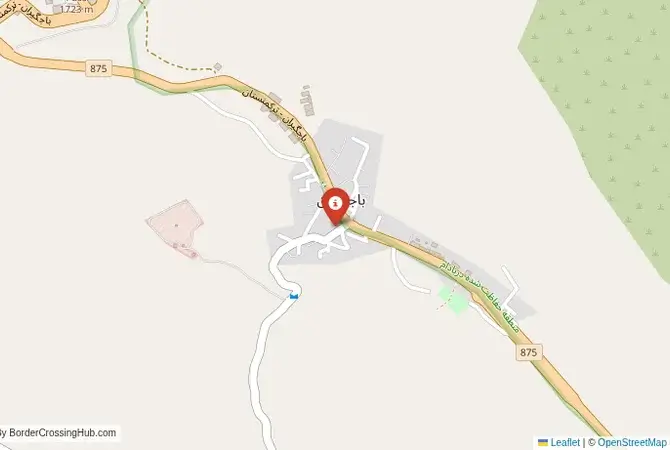
The Bajgiran-Artyk/Sarakhs region border crossings connect Iran’s Khorasan Razavi province with Turkmenistan’s Ahal province. Bajgiran (also called Gaudan or Howden) links to Ashgabat, 15 miles north, while Sarakhs connects Mashhad to Mary. Known as Bajgiran-Gaudan or Sarakhs-Serakhs, these crossings serve travelers and traders along the 1,148km Iran-Turkmenistan border. The mountainous Bajgiran route and flat Sarakhs plains offer contrasting experiences, but Turkmenistan’s strict entry protocols demand preparation.
Historical and Geopolitical Context
The Iran-Turkmenistan border was formalized by the 1881 Treaty of Akhal, with the Atrek and Sumbar rivers shaping its western stretch. The Sarakhs crossing gained prominence after the 1996 opening of a rail link, boosting trade. Bajgiran, reopened in 2020 after a 2016 closure, serves diplomats and limited passenger traffic, reflecting Turkmenistan’s cautious border policies. In 2021, all four Iran-Turkmenistan crossings (Sarakhs, Lotfabad, Bajgiran, Incheh Borun) resumed partial operations post-COVID, with restrictions on foreign vehicles. The region’s proximity to Mashhad, Iran’s second-largest city, underscores its trade significance.
Nearby Border Crossings




Crossing Procedures and Wait Times
For Bajgiran, from Iran to Turkmenistan, secure a Turkmen visa in advance, as none are issued on arrival. From Ashgabat, a taxi (30 manat) takes you to a pre-border point, then a bus (10 manat) covers 30km to the border. After immigration, transport to Bajgiran village costs $2. At Sarakhs, no direct transport crosses; take a shuttle (IR4000) from Iranian immigration to Turkmen customs. Wait times range from 30 minutes to 2 hours, longer on Thursdays/Fridays (Iranian weekend) when borders are partially closed. Both operate 8 AM-3 PM. Pedestrians face 15-45 minute waits; vehicles may take 2-3 hours due to carnet stamping. Confirm visa status, as Turkmenistan denies entry to some nationalities.
Routes and Transportation
From Mashhad, reach Sarakhs by train or taxi (3 hours, $15, Rafi Khankhajeh: +989372137669). Bajgiran is 4 hours by shared taxi to Quchan, then a bus to Mashhad ($20). From Turkmenistan, taxis from Ashgabat reach Bajgiran (1 hour, $30), or buses from Mary hit Sarakhs (2-4 hours, $15/seat). Roads are paved, with Sarakhs’ flat salt flats contrasting Bajgiran’s Kopet Dag mountains. No direct cross-border transport exists, so arrange onward travel. Avoid late afternoons, as transport dwindles. Winter snow in Bajgiran may delay buses, so check conditions.
Scams & Warnings
Secure a Turkmen visa before arrival, as denials are common without one. Avoid “helpers” claiming to speed up carnet processing; they may charge $10/day for false carnet restrictions. Exchange rials to dollars or manat at Sarakhs’ border shop, but rates are poor; use Mashhad ATMs instead. Pickpocketing is rare, but keep documents secure. Travelers report confusion with Turkmenistan’s “non-contact” vehicle rules, requiring drivers to stay in a neutral zone. Carry snacks, as facilities are sparse.
Cultural and Economic Significance
Sarakhs thrives on rail trade, moving goods like textiles and fuel to Central Asia. Bajgiran, near Ashgabat, sees less traffic but supports diplomatic travel. The region blends Persian and Turkmen cultures, with Mashhad’s bazaars offering carpets and saffron, while Turkmen markets sell traditional felts. The Sarakhs Bridge, opened in 2020, symbolizes growing trade ties.
Nearby Attractions
In Mashhad, visit the Imam Reza Shrine, a major pilgrimage site, or the Kang village for stepped architecture. Sarakhs offers the ancient Serakhs Caravanserai, while Ashgabat’s marble-clad monuments are a 1-hour drive from Bajgiran. The Kopet Dag mountains provide scenic hiking for adventurers.
Seasonal and Weather Considerations
Spring (March-May) and fall (September-November) offer 15-25°C temperatures, ideal for crossing. Summer (June-August) brings 35°C heat, while winter (December-February) sees snow in Bajgiran, potentially closing roads. Sarakhs’ dry climate is more stable, but dust storms occur. Check forecasts for mountain passes.
Planning Recommendations
Travel early (8 AM) to avoid delays and secure Turkmen visas well in advance. Carry USD or IRR for payments, as manat is scarce. Avoid Thursdays/Fridays for vehicle crossings due to partial closures. Monitor Turkmenistan’s entry restrictions, especially for non-EU nationals. Use reliable drivers like Rafi for Sarakhs. With preparation, these crossings open doors to Iran’s cultural heart or Turkmenistan’s unique landscapes.
View all border crossings between Iran and TurkmenistanPractical information
Fuel
Iran: 2 km - Turkmenistan: 2 km
Currency
Limited exchange; IRR, TMT
Safety information
Rural setting
Connectivity
3G coverage
Have you crossed here?
Help other travelers by sharing your experience, wait times, and any updates.