Monthly Update (September 2026):
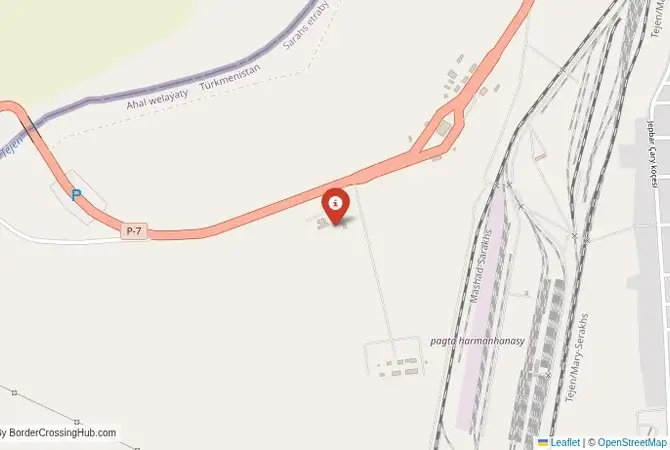
Sarakhs & Serakhs remains one of the main Iran-Turkmenistan gateways, but it should not be treated as a normal walk-up international border for tourists. Current travel guidance says the Iran-Turkmenistan land border is open for humanitarian purposes at Sarakhs, with special authorization from the Turkmen government required before crossing. The same guidance warns that border arrangements can change without notice. Travelers planning an overland trip into Turkmenistan should therefore arrange the required authorization and supporting documents well before reaching Sarakhs.
About this crossing
Historical and Geopolitical Context
Once a key Silk Road hub, Sarakhs has been a trade link since antiquity, formalized in the 19th century after the 1869 Persia-Russia Atrek River agreement. The border, stretching 1,148 km from the Caspian Sea to Afghanistan, saw increased activity after a 2020 bridge opening, boosting trade. Reopened in 2020 post-COVID closures, it now handles hundreds of trucks daily, with Iran’s non-oil exports up via rail. Turkmenistan’s strict visa rules and Iran’s regional role make it geopolitically sensitive, with customs harmonization ongoing as of January 2025.
Crossing Procedures and Wait Times
From Iran to Turkmenistan, you need a passport valid for six months and a Turkmen visa ($50, arranged in Tehran or Mashhad). From Turkmenistan to Iran, most nationalities get a 30-day visa on arrival ($60). Pedestrian crossings are allowed, but a 2-km shuttle (4,000 IRR, approximately $0.10) is mandatory across no-man’s land. The border operates 8:00 AM to 4:00 PM Iran time (9:30 AM to 5:30 PM Turkmen time). Expect 1-2 hours for pedestrians, 3-4 hours for vehicles due to X-ray checks and customs. Peak times like holidays can extend waits to 5 hours.
Nearby Border Crossings


Routes and Road Conditions
From Mashhad, Iran, buses or trains to Sarakhs (185 km, 3 hours, $5 bus or $3 train) pass desert plains. Trains don’t require booking, as they’re often empty. From Mary, Turkmenistan, shared taxis (2-4 hours, $15) or buses reach Serakhs. The road is paved but rough on the Turkmen side, with the last 80 km bumpy. Iran’s side has a small shop for snacks and currency exchange (poor rates). Turkmenistan’s side has basic facilities and strict searches. The Sarakhs Border Bridge enhances connectivity, but expect delays from truck traffic.
Practical Tips for Travelers
Avoid touts charging $20 for fake taxi deals; use recommended drivers like Rafi Khankhajeh (0098-937-213-7669). Exchange rials to dollars on Iran’s side, as rates are bad but better than Turkmenistan’s. No ATMs exist, so bring cash. Theft is rare, but secure bags during crowded checks. Carry a passport copy and Turkmen visa details, as officials may ask about your itinerary. Restrooms cost $0.50, and food is limited, so pack snacks. Avoid late afternoon crossings, as transport to Mary slows. Bicycles are allowed on the shuttle.
Cultural and Economic Role
The crossing fuels trade, with Iran exporting non-oil goods and Turkmenistan sending textiles. Persian and Turkmen cultures blend in markets selling kebabs and ash (noodle soup). Iran’s visa-on-arrival policy draws tourists, while Turkmenistan’s strict rules limit inflows. The Sarakhs-Mashhad Railway supports Central Asian trade, with Khorasan Razavi handling millions of tons of transit goods yearly. The border’s revival post-2020 strengthens economic ties, though Turkmenistan’s isolationist policies temper growth.
Nearby Attractions to Explore
In Iran, Mashhad (3 hours) offers the Imam Reza Shrine and bustling bazaars. Sarakhs has the Gonbad Sheikh Loghman Baba, a 14th-century tomb (3 km from the border). In Turkmenistan, Mary (2 hours) boasts the ancient Merv ruins, a UNESCO site. The Turkmen side’s flat, dusty Serakhs lacks hotels but has a bus terminal. These spots blend history and culture, ideal for day trips, though Turkmenistan’s visa rules require planning.
Seasonal and Weather Impacts
The dry season (May to September) brings 35°C heat, with faster crossings but crowded queues. Winter (October to April) sees 5-15°C and occasional sandstorms, slowing roads. Holidays like Nowruz spike traffic, extending waits. Check for closures due to Turkmenistan’s strict policies or rare border disputes. Early morning crossings (8:00 AM Iran time) avoid heat and congestion, ensuring smoother transit.
Planning Your Journey
Arrive by 8:00 AM to avoid delays. Carry US dollars, a valid passport, and Turkmen visa. Book buses from Mashhad’s terminal or Mary’s station, confirming fares ($5-$15). Check border status online, as Turkmenistan’s policies can shift. Use trusted drivers like Rafi Khankhajeh for reliability. Spend a night in Mashhad for the shrine or Mary for Merv’s ruins, adding cultural depth to your trip. Avoid late arrivals, as transport options dwindle.
View all border crossings between Iran and TurkmenistanPractical information
Fuel
Iran: 500 m - Turkmenistan: 500 m
Currency
Exchange nearby; IRR, TMT
Safety information
Freight-oriented post
Connectivity
3G/4G
Have you crossed here?
Help other travelers by sharing your experience, wait times, and any updates.