Monthly Update (September 2026):
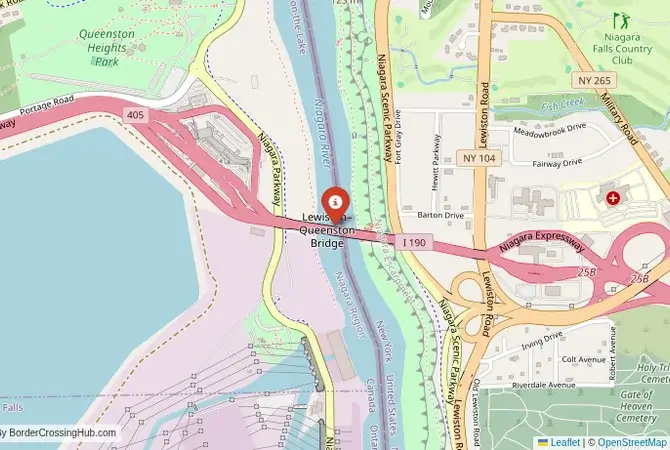
Niagara Falls, New York & Queenston, Ontario Border Crossing is currently running smoothly. CBSA reported about 3 minutes for travelers entering Canada on September 4, while the bridge authority was showing no delay on its latest traffic update. The crossing remains a practical option for travelers heading toward Niagara-on-the-Lake and the Queenston area, with no significant September closure identified.
About this crossing
Historical and Geopolitical Context
Established in 1962 with the bridge’s opening, this crossing replaced earlier ferries, boosting trade in tourism and manufactured goods. The region’s Haudenosaunee heritage shapes its cultural identity, with cross-border ties dating back centuries. Handling over CA$10 billion in annual trade, it’s a critical corridor for automotive and agricultural goods. In 2026, border operations remain stable with no major disruptions reported; Canadian customs continue routine checks, with minimal delays for trucks. Check news for disruptions, as labor disputes or protests can impact operations, as seen in past regional trade tensions.
Crossing Procedures and Wait Times
Open 24 hours a day, the Lewiston–Queenston Bridge is one of the busiest crossings between the United States and Canada. Travelers are processed by Canadian border officials in Queenston when entering Canada and by U.S. border officials in Lewiston, New York, when entering the United States. Carry a valid passport, along with your vehicle registration and proof of insurance if driving. NEXUS members may be able to use dedicated lanes when available. English is the primary language on both sides of the border, with French-language services also available in Canada. A toll is charged only for travel into Canada, and current wait times can be checked through the official CBSA and CBP border wait time websites before your trip.
Nearby Border Crossings


Scams & Warnings
Scams include money changers near the bridge offering poor rates; use ATMs or banks in Niagara Falls or Queenston. Taxi drivers may overcharge; negotiate fares upfront. Unofficial “border helpers” may offer paperwork assistance. Avoid them, as the process is efficient. Duty-free shops, like Niagara Duty Free (7:00 AM to 11:00 PM), are legitimate but compare prices. Some travelers report fake tour guides targeting falls visitors; book through reputable operators like Niagara Parks. In recent years, reports noted scam parking lots charging inflated rates. Use official lots.
Transportation Options
Public transportation serves both sides of the Lewiston-Queenston Bridge, but no regular transit bus crosses the international border. Travelers can reach the bridge using local transit and continue across by private vehicle, taxi, commercial shuttle, or bicycle. As a major link between I-190 in New York and Highway 405 in Ontario, the bridge provides convenient access to the QEW toward Toronto. Roads are well maintained, although winter snow and ice can occasionally affect travel conditions. Before departing, check New York 511 or Ontario 511 for the latest road updates. The crossing also offers scenic views of the Niagara Gorge and the Niagara River.
Nearby Attractions and Tips
Niagara Falls State Park, 5 km south, offers stunning views of the American Falls and Maid of the Mist boat tours. Book early to avoid crowds. In Queenston, the Queenston Heights Park features historic battle sites and hiking trails. The Niagara Wine Trail, 10 km east, showcases local vineyards. Carry USD or CAD, as ATMs may be unreliable in smaller shops. Stay in Niagara Falls, NY, for motels or Niagara Falls, ON, for luxury hotels. A Canadian SIM card aids connectivity, as U.S. signals weaken north. Try local diners for Niagara-style wings or poutine. Summer festivals, like the Niagara Grape and Wine Festival, add vibrancy.
Seasonal and Weather Considerations
Summer (June-August) brings warm weather (20-27°C) and heavy tourism, with waits minimal during festivals. Winter (December-March) delivers snow (-5 to 5°C) and icy roads, requiring winter tires; check 511 services. Spring and fall are quieter but rainy, so pack waterproof gear. Peak holidays, like U.S. Independence Day or Canada Day, increase traffic, so cross early. Summer fireworks over the falls draw crowds, adding to the crossing’s energy.
Planning Your Crossing
Bring a valid passport, NEXUS card (if applicable), or other accepted WHTI-compliant travel document. Use official transport, check wait times online, and avoid unofficial vendors. This crossing connects Niagara’s iconic falls with Ontario’s wine country, blending natural wonder with cross-border adventure.
View all border crossings between United States and CanadaPractical information
Fuel
United States: 500 m - Canada: 500 m
Currency
Available near Niagara Falls (USD, CAD)
Safety information
Generally safe, tourist area
Connectivity
Strong mobile coverage (4G/5G)
Have you crossed here?
Help other travelers by sharing your experience, wait times, and any updates.