
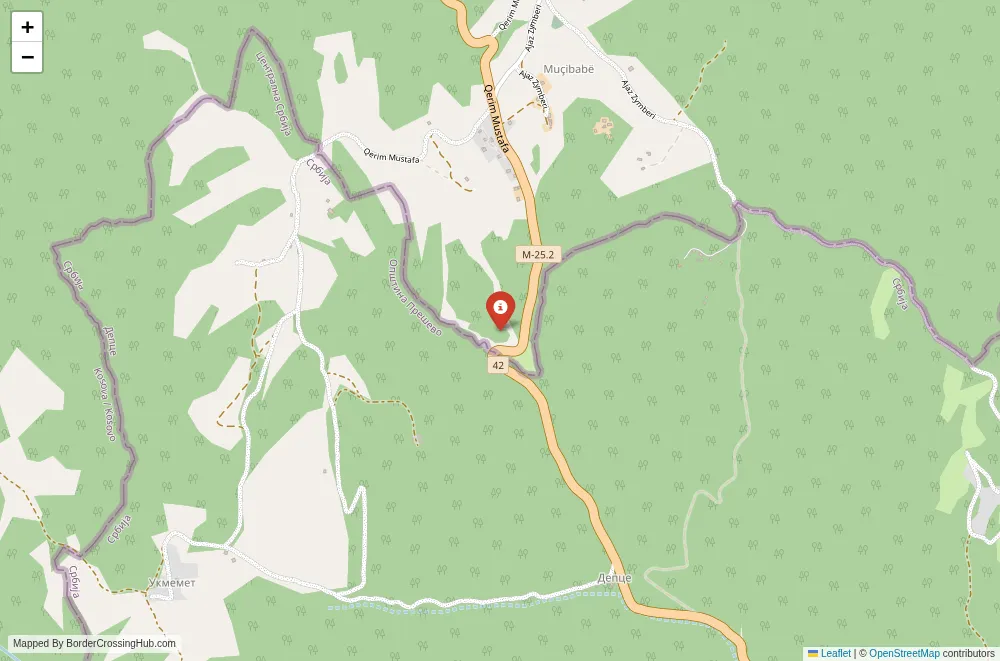
Approximate Border Location
Wait Times
Cars 15-60m; peaks 90-240m
Just crossed? Tap to report:
Operating Hours
07:00 AM-07:00 PM
Crossing Types
Ped,cars; border controls
Border Type
Land crossing via mountain road
Peak Times
08:00-10:00 AM; 04:00-07:00 PM
Daily Crossings
800-4,000/day
Currency Exchange
EUR; RSD in Gjilan/Vranje; ATMs
Safety Information
Rural post; occasional delays
Languages Spoken
Kosovar/Serbian
Accessibility Features
Uneven approaches; minimal ramps
About Vitaljina & Kobila
Monthly Update (March 2026):
As of 03/2026, the Vitaljina & Kobila Border Crossing feels quiet and mostly stable. Cars pass along the coastal road with little buildup at the checkpoint. Late afternoons sometimes bring a few extra vehicles heading toward Montenegro. Tourism along the Adriatic coast can add short bursts of traffic on weekends.
No Cell Service at the Border? No Problem.
Don’t get caught scrambling for paperwork when you lose signal. Download the complete Europe Transit Guide directly to your device and access every critical detail, fast-track strategy, and border rule – 100% offline.
The Vitaljina-Kobila border crossing (also known as Vitaljina – Kobila, or sometimes referenced with alternate names like Konfin in local contexts) acts as a smaller, less crowded alternative to the main coastal point between Croatia and Montenegro, tucked into the rural Konavle region near the Adriatic.
Location and Basic Connections
You find this crossing inland from the main Adriatic Highway (D8), linking the Croatian village area of Vitaljina (in Konavle Municipality, Dubrovnik-Neretva County) to Kobila on the Montenegrin side (in Herceg Novi Municipality). It sits off the coastal route, requiring a detour via country roads through Molunat or Vitaljina village when coming from Dubrovnik, or via local paths from Herceg Novi/Igalo in Montenegro. The point handles passenger cars, light vehicles, and pedestrians, but not heavy cargo or large buses. It’s about 20-30 km inland from the sea, making it a detour option for those avoiding the primary Debeli Brijeg-Karasovići crossing near the coast.
Historical Background
This secondary crossing reflects the post-Yugoslav border setup in the southern Adriatic, where the frontier divides the Konavle region with its Croatian heritage from Montenegrin coastal areas. It opened or gained prominence as an auxiliary point to relieve pressure on the main highway crossing, especially during peak tourist seasons. Temporary openings and closures occurred in the past (e.g., for roadworks or technical issues), but it has stabilized as a reliable backup. The area saw some conflict impacts during the 1990s wars, including shelling near Vitaljina, but the crossing itself functions peacefully today as part of normalized bilateral relations.
Current Status and Safety Warnings
As of early 2026, the crossing remains open 24/7 for passenger and car traffic, accessible to all passports. It’s designated for light vehicles and locals, with live cameras from Croatian sources showing typical low activity. Occasional system glitches or maintenance have caused brief closures in the past, forcing detours to the main point. Risks stay low here compared to busier borders. No major scams or aggressive touts appear in reports for this quiet spot. Petty theft in waiting areas is uncommon due to minimal crowds. The inland rural setting means limited facilities if issues arise. Check real-time queues via Croatian HAK cameras (for Vitaljina) or Montenegrin MUP sites before going. Seasonal peaks or rare events (like strikes) can shift traffic, but this point usually stays calm.
Operating Hours and Wait Times
It runs continuously 24 hours a day, year-round. Processing takes 15 to 45 minutes typically, often much shorter (under 30 minutes) thanks to low volume. Queues rarely form except during high summer weekends or holidays, when even this backup can see 45-minute waits at worst. Midweek or off-peak times offer quick passage.
Visa Requirements for Foreign Visitors
Croatia (Schengen) allows visa-free entry for many nationalities up to 90 days in 180; Montenegro provides visa-free stays for most passports (90 days). At this land point, standard entry/exit stamps apply without special restrictions for foreigners. Biometric passports speed checks. No additional fees or permits noted; confirm your rules as land borders follow general policies.
Crossing Procedures Step by Step
Approach from Croatia at Vitaljina for exit stamp and basic customs/vehicle check. Cross the short road segment into no-man’s-land, then clear Montenegrin entry at Kobila with passport verification and possible declaration. The reverse applies outbound. Facilities are basic: small booths and lanes for passenger cars. Luggage stays with you; inspections focus on documents.
Transportation Options
Private cars or rented vehicles suit the detour roads best. No direct public buses target this minor point; travelers drive from Dubrovnik (via Molunat turn-off) or Herceg Novi. Taxis or shared rides work for short legs. Onward in Montenegro, links reach Herceg Novi, Kotor, or Budva; in Croatia, back to Dubrovnik or farther north.
Road Conditions and Scenery
The detour roads are paved but narrow and winding through rural countryside, with some elevation changes. Conditions stay decent, though watch for potholes after rain. Scenery includes Konavle hills, olive groves, vineyards, small villages, and glimpses toward the Adriatic. The inland route feels quieter and greener than the coastal highway.
Nearby Attractions
Vitaljina offers rural Croatian life with local farms and traditional Konavle embroidery. Nearby Konavle region features wine routes, hiking, and beaches like those near Cavtat. On the Montenegrin side, Kobila sits close to Herceg Novi with its old town, beaches, and bay views. The area ties into Adriatic coastal exploration without the main road crowds.
Seasonal Variations and Weather Impacts
Year-round 24/7 access helps, but winter rain or fog can slow winding roads. Summer tourism increases traffic slightly, though queues remain short. High season (July-August) sees more use as an alternative, but weather rarely closes it outright.
Practical Travel Tips
Bring euros (accepted on both sides) or local currencies (kuna/euro in Croatia, euro in Montenegro). Fill fuel before the detour. Declare goods properly. Arrive with time buffer. Use daylight for rural driving. Check live cams or border apps for queues. Avoid if towing heavy loads, as it’s passenger-focused.
Cultural and Economic Role
It supports local ties in the Konavle-Herceg Novi area, facilitating family visits, small trade in produce/wine, and tourism detours. The point eases coastal congestion while reflecting shared Adriatic heritage.
Final Thoughts on This Backup Crossing
Vitaljina-Kobila delivers a quieter, faster alternative to the main Croatia-Montenegro border when queues build on the coast. Detour time pays off in shorter waits; check conditions ahead and enjoy the scenic route. Safe travels along the Adriatic.
No reviews yet.