Monthly Update (September 2026):
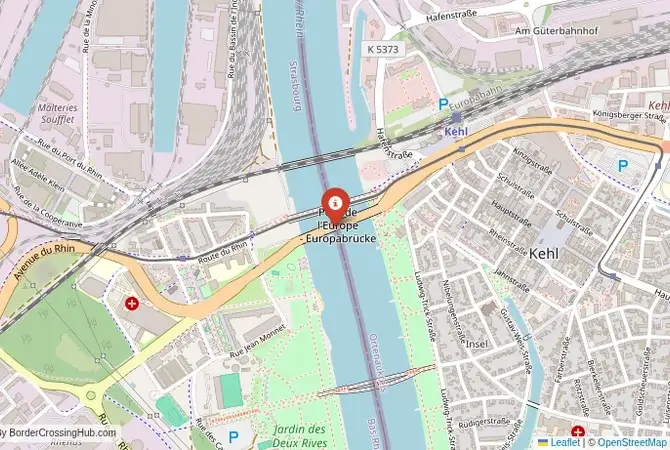
Kehl & Strasbourg Border Crossing remains open, but travelers using public transport should be aware of ongoing works in Strasbourg. Heating-network construction on Rue du Schnokeloch continues through September 11 and is affecting several CTS bus routes, including the N3 toward Kehl Bahnhof. There is no indication of a border closure, so road traffic can continue across the Rhine normally. For travelers arriving by train or bus, however, the local diversions can add time to the final connection.
About this crossing
Historical and Cultural Significance
Historically contested, the Strasbourg-Kehl border along the Rhine was shaped by the 1648 Treaty of Westphalia and the 1815 Congress of Vienna, with Alsace changing hands between France and Germany. The 2002 Brussels Agreement fostered the Eurodistrict, promoting cross-border projects like the 2017 tram extension. The Rhine, once a divisive barrier, now unites through bridges like the Passerelle des Deux Rives, opened in 2004 for pedestrians and cyclists. Temporary border controls, like those in 2024-2026 due to migration concerns, reflect ongoing security dynamics, so confirm status before travel.
Crossing Procedures and Wait Times
Within the Schengen Area, you usually cross without checks. Tram Line D, extended to Kehl Rathaus in 2018, takes 15 minutes from Strasbourg for €1.80. Trains from Strasbourg to Offenburg (20 minutes, €10) or driving the Europabrücke (10 minutes, 5 km) are seamless. During France’s ongoing controls, French police may conduct random ID checks, especially on roads or at tram stops, delaying travel by 10-20 minutes. Peak hours, like weekday mornings, or events like Strasbourg’s Christmas market, can extend waits to 30 minutes. Carry a valid passport or EU ID.
Nearby Border Crossings



Scams & Warnings
Pickpocketing is the main concern in busy areas like Strasbourg’s Petite France or Kehl’s markets, especially during festivals. Touts may sell fake tram or train tickets, particularly during events like Kehl’s summer markets. Use official apps like SNCF Connect or CTS for tickets. During temporary border checks, avoid “guides” offering to expedite processes for a fee; only deal with uniformed officials. Travel mid-afternoon to avoid morning commuter crowds, and keep valuables secure in Strasbourg’s bustling squares or Kehl’s shopping areas to minimize theft risks.
Transportation and Road Conditions
From Strasbourg, take Tram Line D to Kehl for €1.80 (15 minutes) or an Ortenau S-Bahn train to Offenburg for €10 (20 minutes). Driving the A5/E52 via the Europabrücke takes 10 minutes, covering 5 km of well-paved roads with Rhine views. The Passerelle des Deux Rives offers a scenic 15-minute walk or bike ride. Rain from October to March can slow pedestrian travel, but roads and trams remain reliable. The border area has cafes and shops, so bring euros for small purchases.
Nearby Attractions and Amenities
Strasbourg’s Notre-Dame Cathedral and Petite France, with half-timbered houses, are 10 minutes from the tram stop. Kehl’s town center, 5 minutes from the border, offers markets and cafes serving Swabian dishes. The Jardin des Deux Rives, a park straddling the Rhine, is perfect for strolls. Budget hotels like Ibis Strasbourg Centre (€70/night) and mid-range options in Kehl (€80/night) are available. The border’s duty-free shops and eateries cater to commuters, with Strasbourg’s Christmas market drawing crowds.
Seasonal and Weather Impacts
The dry season (April to September) brings 20-25°C weather, ideal for walking or cycling across the Passerelle. The rainy season (October to March) can make paths slick, slowing foot traffic. Peak times, like Strasbourg’s Christmas market (December) or Kehl’s summer festivals, increase crowds, with border checks adding 15-30 minutes during ongoing controls. French rail strikes, noted in recent years, may disrupt trains, so check schedules. Protests or events can affect road access, so stay informed.
Practical Tips for Travelers
Carry a valid passport or EU ID, especially with France’s ongoing border controls, as police may request it. Bring two photocopies and euros for tickets or fees. Rental cars cross freely, but secure valuables due to pickpocketing in Strasbourg’s busy areas. Book tram or train tickets via CTS or SNCF Connect. Hotels fill up during Strasbourg’s Christmas market, so reserve early. Non-Schengen travelers should check visa rules, though most get 90 days visa-free. Monitor advisories for security updates.
Planning Your Crossing
Travel mid-afternoon to avoid commuter rushes and potential border checks. Use CTS or SNCF apps for real-time tram and train schedules, especially during French strikes. Monitor news for protests or security alerts in the Eurodistrict. With preparation, you’ll cross this iconic border with ease, ready to explore Strasbourg’s European Parliament or Kehl’s charming markets, immersing yourself in the Franco-German cultural blend.
View all border crossings between France and GermanyPractical information
Fuel
France: 300 m - Germany: 300 m
Currency
Strasbourg area: EUR
Safety information
Congestion during peaks
Connectivity
4G/5G, public Wi-Fi
Have you crossed here?
Help other travelers by sharing your experience, wait times, and any updates.