Monthly Update (October 2026):
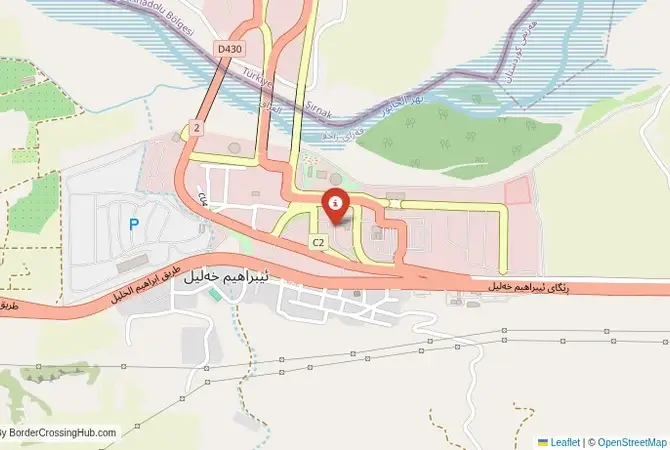
Ibrahim Khalil & Habur remains the principal Turkey–Iraq road corridor and an important commercial route between southeastern Turkey and Iraqi Kurdistan. Freight continues to dominate the crossing, so truck traffic can have a much larger effect on overall border activity than passenger-car queues suggest. There is no major October closure to report, but the strategic importance of the corridor means security and customs developments can have an immediate effect on traffic.
About this crossing
Historical and Geopolitical Context
This crossing, one of the world’s busiest, has been a trade hub since the Ottoman era, formalized after the 1920s border delineations. Controlled by the Kurdistan Regional Government on the Iraqi side, it features Peshmerga checkpoints under the Kurdish flag. Tensions flared post-2017 KRG independence referendum, with Turkey threatening closures, but it remains open, handling billions in trade annually. Its proximity to Syria (10 km) adds military checkpoints, as Turkey monitors Kurdish movements. The Zit crossing, opened in 2023, eases some pressure, but Ibrahim Khalil remains the primary route to Europe.
Crossing Procedures and Wait Times
From Turkey to Iraq, present a passport valid for six months; many nationalities get a 30-day KRG visa on arrival (100,000 IQD, approximately $60, payable in dinar). From Iraq to Turkey, a $10 exit fee may apply, especially if paperwork is incomplete. Pedestrian crossings are banned. Use buses ($25 from Duhok to Mardin) or licensed taxis ($10 from Zakho to Silopi). The border operates 24/7, but expect 2-4 hours for processing due to multiple X-ray checks and bag inspections. Peak times, like holidays, can stretch waits to 6-11 hours, especially for cars, with recent reports from late 2025 noting occasional longer delays from increased commercial traffic.
Nearby Border Crossings

Routes and Road Conditions
From Duhok, Iraq, buses to Zakho (1 hour, $5) or direct to Silopi ($25, 8 hours to Mardin) pass flat plains and Kurdish villages. From Cizre, Turkey, dolmus minibuses (3 lira, approximately $0.10) reach Silopi in 30 minutes. The road is paved but congested with trucks, and Turkish military checkpoints near Syria slow travel. The Iraqi side has basic shops; Turkey’s side offers duty-free stores. The Khabur River bridge offers scenic views, but watch for pushy crowds during X-ray stops. Driving requires a green card insurance for Turkey.
Practical Tips for Travelers
Beware of touts charging $10-20 for fake taxi deals or paperwork help; book buses at Duhok’s terminal or Cizre’s otogar. Use US dollars or Iraqi dinar, as Turkish lira faces poor rates. ATMs are absent, but Zakho (10 km) has banks. Theft is rare, but secure bags during crowded X-ray checks. Carry a passport copy and avoid calling the area Kurdistan on the Turkish side to avoid scrutiny. Restrooms cost $0.50, and food stalls are limited, so pack snacks. Avoid night crossings due to longer waits.
Cultural and Economic Role
The crossing thrives on Kurdish trade, with goods like cigarettes and electronics moving daily. Kurdish culture dominates, with markets selling flatbreads and chai. The KRG’s visa policy draws tourists, while Turkey’s visa-free entry for many boosts commerce. The border supports Duhok’s economy and Turkey’s southeastern cities like Mardin, though Turkish military presence creates a tense atmosphere. Its role as Iraq’s gateway to Europe fuels billions in trade, despite occasional political friction.
Nearby Attractions to Explore
In Iraq, Zakho (10 km) offers vibrant markets and the ancient Delal Bridge. Duhok (1 hour) has a scenic dam and bazaars. In Turkey, Mardin (2 hours) boasts historic stone architecture, while Diyarbakir (3 hours) offers Kurdish culture and ancient walls. The nearby Syrian border fence, visible from the road, underscores the region’s geopolitics but isn’t a tourist spot. These destinations blend history and local charm, ideal for a day trip.
Seasonal and Weather Impacts
The dry season (May to September) brings 35°C heat, with faster crossings but crowded queues. Winter (October to April) sees 5-15°C and occasional snow, slowing roads, as seen in a 2022 blizzard. Holidays like Eid increase traffic, extending waits. Check for closures due to Turkish-KRG tensions or Syrian spillover. Early morning crossings (6:00 AM) avoid peak congestion and reduce delays from military checks.
Planning Your Journey
Arrive by 6:00 AM to beat crowds and X-ray delays. Carry US dollars, a valid passport, and dinar for Iraq’s visa. Book buses from Duhok or Cizre in advance, confirming fares ($25 to Mardin). Check border status online, as Syrian conflicts or Turkish policies can disrupt access. Avoid calling the region Kurdistan in Turkey to avoid issues. Spend a night in Zakho for markets or Mardin for historic charm, adding depth to your journey.
View all border crossings between Iraq and TurkeyPractical information
Fuel
Iraq: <1 km - Turkey: <1 km
Currency
Exchange nearby; IQD, TRY
Safety information
High security checks
Connectivity
Wi-Fi, 4G/5G
Have you crossed here?
Help other travelers by sharing your experience, wait times, and any updates.