
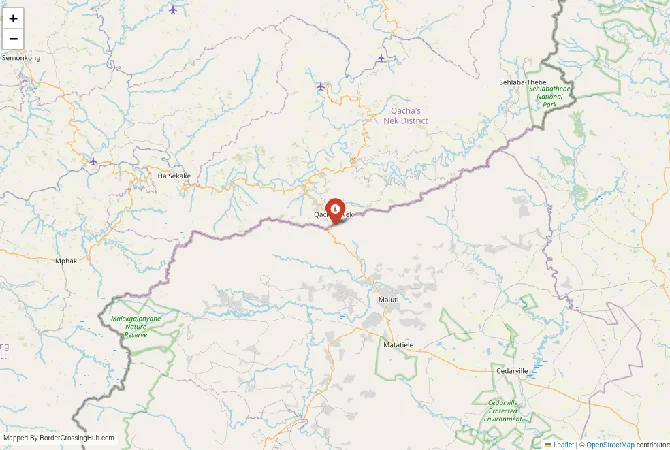
Approximate Border Location
Border Countries
- 🇱🇸Lesotho
- 🇿🇦South Africa
Border Cities
- 🇱🇸Semonkong
- 🇿🇦Underberg
Wait Times
10–45 min light traffic
Just crossed? Tap to report:
Operating Hours
08:00 AM-04:00 PM
Crossing Types
Pedestrian, light vehicles
Border Type
Mountain
Peak Times
None
Daily Crossings
50
Currency Exchange
LSL/ZAR
Safety Information
Remote area
Languages Spoken
Sotho/English
Accessibility Features
None
About Semonkong & Underberg
No Cell Service at the Border? No Problem.
Don’t get caught scrambling for paperwork when you lose signal. Download the complete South America Transit Guide directly to your device and access every critical detail, fast-track strategy, and border rule – 100% offline.
A Scenic Mountain Route Between Lesotho and South Africa
Tucked within the highlands of southern Africa, the Semonkong–Underberg crossing connects Lesotho with South Africa through a remote and visually striking route. It links the mountain town of Semonkong with the small town of Underberg. This is not a major commercial border like others in the region. Instead, it is a lesser-used crossing that appeals mainly to adventurous travelers exploring Lesotho’s rugged interior.
A Remote Crossing That Requires Preparation
You should approach this border with preparation and realistic expectations. Facilities are basic, and services are limited on both sides, especially compared to larger crossings. Road conditions can be challenging, particularly in Lesotho. Gravel roads, steep passes, and unpredictable weather mean you will need a suitable vehicle, often a 4×4. This crossing is generally safe, but its isolation means you must be self-reliant. Fuel, food, and accommodation options are sparse along the route.
Geography and Mountain Landscape
Lesotho is known as the “Kingdom in the Sky,” and this crossing shows exactly why. The route between Semonkong and Underberg passes through high-altitude terrain, rolling hills, and deep valleys. You will encounter winding mountain roads and dramatic elevation changes. During winter, snow can fall in the higher areas, occasionally making roads difficult or temporarily impassable. On the South African side, the landscape transitions into the foothills of the Drakensberg Mountains, offering a different but equally scenic environment.
Operating Hours and Border Facilities
The border post itself operates during limited daytime hours, typically from early morning to late afternoon. Exact times can vary, so you should confirm locally before traveling. Facilities at the crossing are minimal. Expect basic immigration offices rather than large terminals. Processing is usually straightforward, but delays can occur if staffing is limited or if you arrive outside peak times. Because of the remote setting, you should aim to arrive well before closing time.
Immigration and Visa Requirements
For most travelers, entry between Lesotho and South Africa is relatively simple. Many nationalities can enter both countries visa-free for short stays. You will need: * A passport valid for at least six months * Proof of onward travel if requested Procedures are generally uncomplicated, but always check current visa policies before your trip, as requirements can change.
The Route Between Semonkong and Underberg
The journey between Semonkong and Underberg is not direct in the way major highways are. Instead, it involves navigating rural roads that wind through mountainous terrain. From Semonkong, you travel through remote highlands before descending toward the South African border region. On the South African side, roads improve as you approach Underberg, which serves as a base for exploring the Drakensberg area. Travel times can vary widely depending on road conditions, weather, and your vehicle.
Transport Options and Accessibility
Public transport options are extremely limited for this crossing. You should not rely on buses or shared taxis to complete the journey. Most travelers use private vehicles, often rented in South Africa. A 4×4 is strongly recommended, especially if you plan to explore beyond the main routes. If you are not driving yourself, you may need to arrange private transfers in advance, though these can be difficult to organize due to the remote nature of the area.
Seasonal Conditions and Weather Impact
Weather plays a major role in your experience here. In summer, heavy rains can make dirt roads muddy and slow to navigate. In winter, snow and ice can affect higher elevations, particularly on the Lesotho side. Temperatures can drop significantly at night, even outside winter months. You should carry appropriate clothing and be prepared for sudden weather changes.
Cultural and Local Context
Crossing between Lesotho and South Africa offers a glimpse into two closely linked but distinct environments. In Lesotho, you will encounter Basotho culture, traditional villages, and a lifestyle shaped by the mountains. Livestock herding is common, and you may see shepherds in traditional blankets along the الطريق. On the South African side, Underberg provides access to more developed infrastructure, including accommodation, restaurants, and outdoor activities centered around the Drakensberg.
Common Challenges Travelers Face
Travelers using this crossing often report a few recurring challenges: * Poor road conditions, especially after rain * Limited signage in remote areas * Lack of fuel stations along the route * Border posts closing earlier than expected You should plan your route carefully, carry extra supplies, and allow more time than you think you need.
Nearby Attractions Worth Exploring
Semonkong is known for the Maletsunyane Falls, one of the highest single-drop waterfalls in Africa. It is a major attraction in Lesotho and worth visiting if you are in the area. Underberg serves as a gateway to the Drakensberg Mountains, where you can find hiking trails, scenic drives, and wildlife. These destinations make the crossing particularly appealing if you are exploring southern Africa beyond the usual routes.
Why This Crossing Stands Out
The Semonkong–Underberg crossing is defined by its isolation and scenery rather than heavy traffic or infrastructure. It offers a more intimate experience of border travel, where the journey itself is as important as the destination. The combination of mountain landscapes and cultural encounters makes it distinct from busier crossings in the region.
Final Thoughts
If you are planning to use the Semonkong–Underberg crossing, preparation is essential. A reliable vehicle, flexible timing, and awareness of conditions will help you avoid مشکلات along the way. While it may not be the easiest route between Lesotho and South Africa, it provides access to some of the most scenic and less-visited areas in the region.
No reviews yet.