
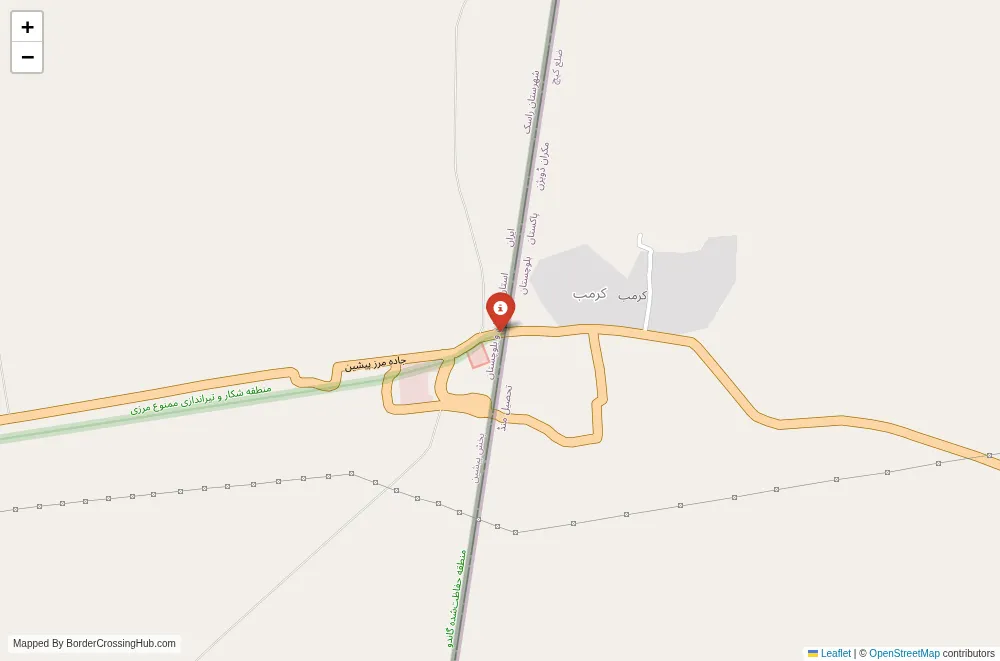
Approximate Border Location
Wait Times
Cars 30-180m; peaks 240-720m
Just crossed? Tap to report:
Operating Hours
06:00 AM-10:00 PM
Crossing Types
Cars,buses,trucks; controls; permits may apply
Border Type
Land crossing via road checkpoint
Peak Times
09:00 AM-01:00 PM; holidays
Daily Crossings
800-5,000/day
Currency Exchange
PKR; IRR; USD common; exch in towns
Safety Information
Remote desert route; security checks likely
Languages Spoken
Persian/Urdu
Accessibility Features
Basic; uneven surfaces
About Semalka (Iraq & Faysh Khabur
Monthly Update (March 2026):
As of 03/2026, the Semalka (Iraq) & Faysh Khabur Border Crossing remains a key route with steady but controlled movement. Trucks and aid vehicles move across the bridge in scheduled waves rather than constant flow. Inspections and security checks shape the pace on both sides. Political and logistical factors can quickly change how busy it gets.
No Cell Service at the Border? No Problem.
Don’t get caught scrambling for paperwork when you lose signal. Download the complete Asia Transit Guide directly to your device and access every critical detail, fast-track strategy, and border rule – 100% offline.
The Rabia-Al-Yaarubiyah border crossing links Iraq’s northwestern Nineveh province directly to northeastern Syria’s al-Hasakah governorate, connecting the Iraqi town of Rabia to the Syrian town of Al-Yaarubiyah (also spelled Al-Yarubiyah or Yarubiyah). Foreign travelers occasionally consider this route when moving between Iraq and Syria, particularly those exploring the Kurdistan Region of Iraq or northeastern Syria, though access remains limited and unpredictable due to ongoing regional changes.
Location and Connections
You reach this crossing along the road from Al-Shaddadah in Syria to Mosul in Iraq. Rabia sits in Iraq’s Tal Afar district, while Al-Yaarubiyah lies in Syria near the tripoint with Turkey. The area features flat, arid terrain typical of the Jazira region, with the crossing itself serving as one of the few official land points between the two countries alongside Al-Qaim/Albu Kamal farther south. On the Iraqi side, Rabia connects to Mosul and Sinjar; on the Syrian side, it links toward Qamishli or Hasakah. A bridge or no-man’s-land zone separates the two immigration points, with limited infrastructure visible in photos from the area.
Historical and Geopolitical Background
This crossing dates back to colonial-era borders drawn after World War I, formalized under the Sykes-Picot Agreement and later confirmed in the 1930s. It once featured a railway station on the Baghdad Railway during the French mandate in Syria and British control in Iraq. The town of Al-Yaarubiyah hosted international officials and rail traffic in the 1940s. During the Syrian civil war starting in 2011, control shifted multiple times: opposition groups took it in 2013, Kurdish YPG forces captured it later that year, bringing it under the Autonomous Administration of North and East Syria (AANES/Rojava). It served as a humanitarian aid entry point until UN mechanisms expired around 2023. In Iraq, Rabia saw redesign during the 2007 US troop surge and attacks, including a suicide bombing. ISIS control in the mid-2010s closed it for years; Iraqi forces retook Rabia in 2017. Recent events in January 2026 saw Syrian transitional government forces, following clashes and agreements with the SDF, assume control of Al-Yaarubiyah after tribal forces (like Al-Sanadid from the Shammar tribe) handed it over peacefully amid SDF withdrawal.
Current Status and Operating Hours
As of early February 2026, the crossing remains closed or in a preparatory phase for reopening. Syrian authorities have taken control on their side, with plans announced to resume operations as part of broader efforts to revive trade routes closed since 2011. On the Iraqi side, Nineveh province prepares basic upgrades at Rabia, but full reopening depends on bilateral agreements between Baghdad and Damascus. No confirmed operating hours exist yet for public use; past patterns for similar crossings suggest limited daily windows if active, potentially 8:00 a.m. to 4:00 p.m. or similar, subject to security. Seasonal factors include extreme summer heat and dust storms, while winter brings occasional rain that can affect unpaved approaches. Instability in northeastern Syria, including recent fighting and ceasefire extensions, keeps the status fluid; check official Iraqi and Syrian government sources or embassies right before travel.
Crossing Procedures Step by Step
Procedures would involve exit from one country and entry into the other, with separate immigration buildings on each side. You clear Iraqi checks first if coming from Iraq (passport stamp out), walk or drive across the zone, then handle Syrian entry (visa processing if applicable, security questions, possible vehicle search). Reverse applies from Syria. Wait times, when open in the past, varied from under an hour to several due to manual processing and security. Recent transitions mean added checks for stability. Both sides emphasize security amid IS remnants and regional tensions.
Visa Requirements for Foreign Visitors
Syria requires visas for most nationalities, with fees varying by passport (e.g., $25–$50 for short stays, payable in cash USD/EUR at entry for many). Some nationalities face restrictions needing prior approval (3–4 weeks processing), including from India, Pakistan, Afghanistan, and others; check current lists via Syrian embassies. Iraq typically requires visas or e-visas for most foreigners, arranged in advance or on arrival at certain points, but land borders like this often demand pre-approval. Dual checks apply: exit visa rules from your starting country, plus entry into the destination. Policies shift frequently post-2025 changes in Syria; always verify with embassies. Bring passport photos, exact fees, and copies.
Transportation Options and Road Details
From Iraq, reach Rabia via Mosul (roads paved but with checkpoints). From Syria, access comes from Qamishli or Hasakah via shared taxis or private cars. Roads remain basic in parts, with potential for dust or delays from military presence. No regular public buses cross directly due to status; private arrangements or taxis handle short distances to the gates. Travel between Mosul and Hasakah/Qamishli would take several hours plus border time if open. Security convoys sometimes escort movements in the area.
Scams and Safety Warnings
This crossing carries significant risks due to its history in conflict zones. Past reports mention smuggling dominance in Rabia, with risks of extortion or unofficial fees at checkpoints. Touts or fake officials may approach offering “help” with paperwork for inflated prices; stick to marked immigration buildings. The area saw explosions and clashes in January 2026, including an arms depot blast near Al-Yaarubiyah killing fighters. IS sleeper cells remain a concern in border regions, prompting heightened Iraqi deployments. Avoid unofficial crossings, as they lead to arrests or worse. The zone isn’t safe for casual travel; monitor news closely for closures, kidnappings, or spillover violence. Foreigners face scrutiny; some nationalities encounter denials or delays.
Nearby Attractions and Practical Tips
If crossing opens, Syria’s northeastern areas offer ancient sites near Hasakah or Qamishli markets reflecting Kurdish and Arab cultures. In Iraq, Mosul features historic mosques and reconstruction post-IS, while Sinjar has Yazidi heritage sites. Carry USD cash (preferred for fees), water, snacks, and power banks, as facilities stay minimal. Prepare multiple passport copies and register with your embassy. Start journeys early; avoid night travel due to security. Have alternatives like flying between Erbil and Damascus if land routes stay shut.
Wrapping Up Your Plans
Approach this crossing with caution and thorough research, as its status evolves amid post-conflict transitions. Confirm openings through official channels like foreign ministries or border authorities in both countries. If viable, it could provide a direct overland link, but expect delays, strict checks, and potential changes. Prioritize safety and have flexible itineraries. Safe journeys if you proceed.
No reviews yet.