
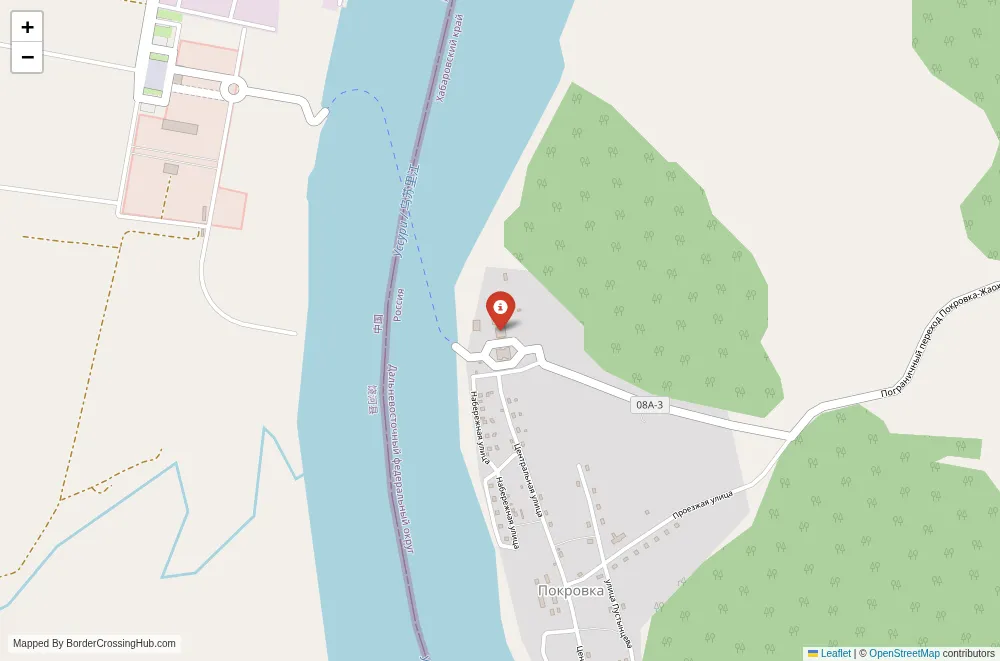
Approximate Border Location
Wait Times
Seasonal ferry 30-120m; peaks 120-360m
Just crossed? Tap to report:
Operating Hours
Seasonal daylight 08:00 AM-06:00 PM
Crossing Types
Ferry ped/cars limited; controls
Border Type
Border crossing via river ferry
Peak Times
10:00 AM-03:00 PM; summer
Daily Crossings
100-900/day
Currency Exchange
CNY; RUB; cash in towns; ATMs scarce
Safety Information
River level/weather can suspend service
Languages Spoken
Mandarin, Russian, English
Accessibility Features
Ramps uneven; assist may be needed
About Sallum & Musaid
Monthly Update (March 2026):
As of 03/2026, the Sallum & Musaid Border Crossing sees steady cross-border travel along the coastal highway. Cars and cargo trucks often line up on the Libyan side during inspections. Mornings usually move quicker than late afternoon. Trade runs and regional travel keep the road busy.
No Cell Service at the Border? No Problem.
Don’t get caught scrambling for paperwork when you lose signal. Download the complete Africa Transit Guide directly to your device and access every critical detail, fast-track strategy, and border rule – 100% offline.
The Sallum-Musai border crossing stands as the primary land connection between Egypt and Libya, positioned along the Mediterranean coast where the two countries meet. You reach this point most often when traveling overland from Alexandria or Marsa Matruh toward Tobruk and farther into eastern Libya, though very few foreign tourists attempt it given the current conditions. Alternative names include the Salloum Border, Imsaad Checkpoint, Al-Musayid Gate, or El Salloum-Musai crossing.
Safety Warning Up Front
This crossing carries significant risks due to ongoing instability in Libya, the presence of armed groups, smuggling networks, and general insecurity. Many governments advise against all but essential travel to Libya and strongly recommend against overland entry. Monitor official travel advisories, consult embassies, and consider the situation carefully before any attempt.
Location and Basic Connection
Sallum (also spelled El Salloum) lies in Egypt’s Matruh Governorate, right on the Gulf of Sallum along the coastal highway. Musai (Imsaad or Emsaed) sits just across in northeastern Libya, near Tobruk. The border runs through coastal dunes and arid plains, marking the northern end of the 1,115-kilometer Egypt-Libya frontier that stretches south through desert to the Sudan tripoint. Road traffic dominates, with no rail or significant alternative routes nearby.
Historical Background
The current line traces back to colonial-era agreements, including the 1925 Anglo-Italian treaty that finalized the frontier after earlier disputes over oases. Italy built barriers in the 1920s-1930s to control Senussi rebels. The area saw heavy action during World War II North African campaigns, with troop movements along the coast. In 1977, a brief Egyptian-Libyan war broke out near the northern border amid Gaddafi-era tensions. After Libya’s 2011 uprising, the crossing became a key route for migrants and smugglers, prompting Egypt to reinforce security. Recent bilateral talks in January 2026 emphasized joint efforts against irregular migration and cross-border crime.
Current Operating Status
As of early 2026, the crossing remains open for passengers and freight, with Egyptian authorities maintaining 24-hour shifts at Sallum. Libyan operations at Musai run daytime hours adjusted to demand. Recent activity includes regular deportations of Egyptian migrants back through Musai in February 2026. Hours and access can change abruptly with security incidents or holidays, so verify through embassies or official channels. Libya does not offer visa-on-arrival for most nationalities at this point.
Practical Crossing Procedures
You cross on foot or by vehicle after handling formalities on both sides. From Egypt at Sallum, complete exit immigration and customs for stamps and checks. Move the short distance across to Libyan entry at Musai, where officers review documents, conduct inspections, and process entry. Libya requires a pre-obtained visa (often needing invitation letters or special permits), proof of funds, accommodation, and sometimes police escort authorization for eastern regions. Vehicle crossings demand insurance papers, temporary import permits, and fees. The whole process involves multiple counters and can include luggage or car searches. Foreign visitors face extra scrutiny.
Wait Times and Peak Periods
Processing frequently takes 1-3 hours or longer due to paperwork layers and officer reviews. Early morning or late afternoon often means shorter lines, while midday or periods of migrant returns add volume. Trade surges or repatriation movements, common in recent years, push waits higher. Security alerts can halt operations for days.
Transportation Options
Buses and shared taxis run regularly from Marsa Matruh or Alexandria to Sallum on the Egyptian side, taking several hours along the coastal road. On the Libyan side, connections head to Tobruk (1-2 hours) or Benghazi, but services remain irregular and risky. Private vehicles with proper permits cross, though hiring local drivers familiar with requirements helps. Avoid unverified transport amid reports of exploitation.
Scams and Safety Warnings
Touts often approach before official counters, offering “assistance” with visas, forms, or currency exchanges at poor rates; some have pressured travelers or led to hidden fees. Past cases saw Egyptians scammed with fake Libyan visas and turned back. Petty theft or harassment occurs in crowded areas. Beyond the crossing, Libyan territory brings risks of checkpoints, armed militias, kidnapping, or worse in unstable zones. Travelers have faced extended detentions or forced returns. The remote coastal setting limits quick help if problems arise. Stick strictly to official immigration zones and refuse all unofficial aid.
Road Conditions and Scenery
The Egyptian approach features paved roads along the Mediterranean, passing salt lakes and small settlements. The short no-man’s-land consists of dunes and scrub. On the Libyan side, asphalt starts basic and quickly deteriorates into rural tracks, surrounded by arid plains and distant hills. Coastal views dominate at first, shifting to open desert.
Seasonal Variations and Weather Impacts
Summer temperatures exceed 40 degrees Celsius, making waits uncomfortable and raising dehydration risks. Winter brings milder conditions but occasional rain or strong winds. Sandstorms disrupt visibility and operations year-round, especially in spring and fall. Peak activity aligns with labor migration seasons or security lulls, though instability overrides weather patterns.
Nearby Attractions
Sallum town offers basic supplies, beaches, and views over the Gulf, with limited tourism infrastructure. Historical WWII remnants dot the area. On the Libyan side, Musai stays minimal; Tobruk features famous battlefield sites from World War II, including cemeteries and bunkers, though access requires permits and carries dangers. The region suits those researching military history more than leisure travel.
Cultural and Economic Role
Labor migration defines much activity, with Egyptians historically working in Libya’s oil and construction sectors before conflicts prompted mass returns. Official trade includes goods and fuel, though smuggling networks persist among Bedouin communities spanning the border. The crossing supports local economies through transport jobs and markets but remains vulnerable to regional conflicts disrupting flows.
Final Planning Tips
Prepare well in advance with Libya visa and permits from authorized channels, multiple passport copies, cash in major currencies, and translation apps. Download offline maps and contact details. Cross early, stay hydrated, and have contingency plans for closures. Monitor news daily given volatility. With all requirements met, you complete formalities, but weigh carefully if the risks align with your needs.
Wrapping Up the Border
Sallum-Musai provides the main overland link between Egypt and Libya but demands thorough preparation and risk awareness amid Libya’s challenges. Time your crossing carefully, prioritize official processes, and it serves as a cautious entry point into eastern Libya. Safe travels, with strong emphasis on verification.
No reviews yet.