
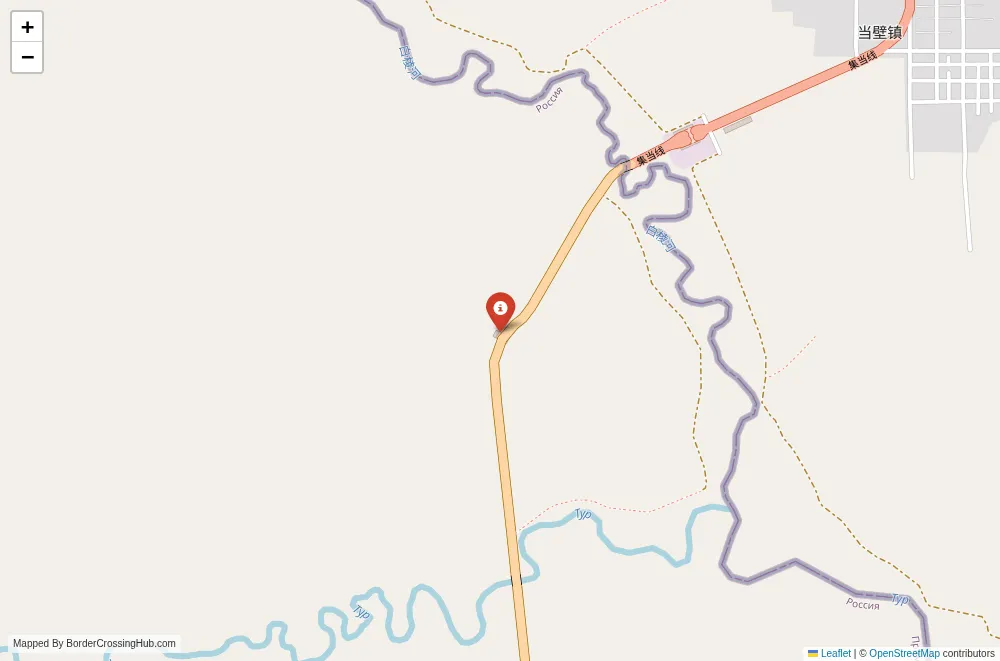
Approximate Border Location
Wait Times
Trucks 60-240m; peaks 240-720m
Just crossed? Tap to report:
Operating Hours
08:00 AM-08:00 PM
Crossing Types
Freight typical; limited passengers
Border Type
Land crossing via road (local)
Peak Times
Mon-Fri 02:00-07:00 PM
Daily Crossings
300-3,000/day
Currency Exchange
CNY; RUB; USD common; ATMs limited
Safety Information
Remote route; checks may be slow
Languages Spoken
Mandarin, Russian, English
Accessibility Features
Basic; uneven approaches
About Raohe & Pokrovka
Monthly Update (March 2026):
As of 03/2026, the Raohe & Pokrovka Border Crossing stays fairly quiet with occasional vehicle crossings. Cars and small trucks pass through in short bursts rather than constant traffic. Inspections can stretch waits slightly when freight vehicles arrive. Local trade and weather along the river influence the pace.
No Cell Service at the Border? No Problem.
Don’t get caught scrambling for paperwork when you lose signal. Download the complete Asia Transit Guide directly to your device and access every critical detail, fast-track strategy, and border rule – 100% offline.
The Raohe-Pokrovka border crossing functions as a seasonal, mixed-type link across the Ussuri River in a remote stretch of the China-Russia frontier, connecting Heilongjiang Province directly to Khabarovsk Krai. You come across this point mainly if exploring northeastern Heilongjiang or aiming for rural areas in the Russian Far East, often as part of routes tied to the Ussuri River basin. Alternative names include the Raohe Port, Pokrovka checkpoint, or Zhaohe-Pokrovka (with Zhaohe as a variant for the Chinese side).
Location and Basic Connection
Raohe County lies in Shuangyashan Prefecture, Heilongjiang Province, China, along the Ussuri River (known as Wusuli in China). Pokrovka sits in Bikin District, Khabarovsk Krai, Russia, opposite it. This crossing relies on the river: ferries or boats handle traffic from spring through autumn, while a pontoon-supported ice passage opens in winter when the river freezes solidly. It ties into Chinese highways like G229, G331, and G601 indirectly, with Russian local roads leading toward Bikin or farther west. Passenger and limited freight use it, but it carries far less volume than road-heavy southern crossings.
Historical Background
The border here follows the Ussuri River line set by mid-19th-century treaties like the Convention of Peking, which ceded vast territories to Russia and shaped the modern frontier. Tensions flared during the Sino-Soviet era, including disputes over river islands, but this section stayed quieter than flashpoints farther south. Post-1991 agreements finalized demarcations in the early 2000s, opening the area for gradual trade. Infrastructure remains basic, with seasonal adaptations reflecting the river’s role. Geopolitically, it supports local ties in a sparsely populated zone, aligning with broader China-Russia cooperation without the intensity of major trade corridors.
Current Operating Status
As of early 2026, the crossing operates seasonally. Ferries run spring to autumn when the Ussuri is navigable; winter switches to an ice road, with the pontoon-supported passage reopening around late December (as seen in 2025 when it activated on December 25). Hours align to daylight or demand, typically daytime for passenger processing. Recent mutual visa-free pilots (30 days for qualifying Chinese and Russian citizens, extended into 2026) boost short trips regionally, including here during open periods. No permanent 24-hour status like some ports; confirm via official sources or local reports for exact reopenings, as freeze-up/thaw transitions cause temporary suspensions.
Practical Crossing Procedures
You cross by boat/ferry in open water seasons or vehicle on the ice road in winter; foot options appear limited. From the Chinese side in Raohe, complete exit formalities at customs and immigration. Proceed across the river to Pokrovka for Russian entry. Russia offers e-visas for many nationalities at qualifying points, or visa-free short stays under current pilots if applicable. Prepare passport, supporting documents like onward plans or accommodation proof, and cash. Checks involve standard document review, questions, and inspections. The process usually takes 30-90 minutes, shorter outside peaks due to low volume.
Wait Times and Peak Periods
Lines stay minimal most times, given the remote and seasonal nature. Early openings or off-peak days mean quick passage. Surges hit during winter ice road activation or warmer months with tourism, especially post-visa relaxations drawing Russians for shopping or short visits. New Year periods saw influxes in recent years, but nothing overwhelming compared to busier ports.
Transportation Options
Ferries or boats connect Raohe to Pokrovka in navigation season; buses or shared vans may run to the port area. In winter, vehicles drive the ice passage directly. From Chinese side, reach Raohe via roads from Jixi or Shuangyashan. On Russian side, transport links Pokrovka to Bikin or farther toward Khabarovsk. Private cars cross with paperwork during ice periods; stick to official operators for ferries or hires.
Scams and Safety Warnings
This low-traffic crossing reports few tourist scams, but general border caution applies. Ignore unofficial offers for “help” with docs or bad-rate exchanges. Language barriers exist in this rural area, so translation apps help. Remote location means limited services; secure belongings and prepare for self-reliance if delays occur from weather or seasonal shifts. No major safety concerns for foreigners during operations, but the river and ice add natural risks.
Road Conditions and Scenery
Approaches feature paved roads through Heilongjiang’s forested hills and river plains. The Ussuri dominates: wide, flowing in summer with boat views, frozen solid in winter for vehicle travel. On Russian side, expect rural taiga, small settlements, and open land. Ice roads require caution; summer ferries offer scenic river crossings.
Seasonal Variations and Weather Impacts
Navigation season (spring-autumn) allows boat travel but brings rain or high water risks. Winter ice passage opens reliably after freeze-up, facilitating vehicles but with extreme cold and potential snow delays. Thaw or freeze periods cause suspensions. Visa-driven tourism adds modest spikes in open seasons.
Nearby Attractions
Raohe offers Ussuri River views, local markets with cross-border goods, and Wanda Mountains scenery. Lake Khanka proximity (farther west) draws nature interest. Pokrovka remains small; head toward Bikin for basic amenities or river exploration. The area appeals to those into remote frontiers, wildlife, and seasonal river life.
Cultural and Economic Role
Local trade in agriculture, timber, and goods sustains activity, with winter ice roads aiding exchanges. Tourism grows modestly with easier short-trip rules, supporting shops and services in Raohe. It reinforces practical links along the Ussuri in this under-visited stretch.
Final Planning Tips
Time your trip around seasons: check ice road status in winter or ferry ops in summer. Bring yuan/rubles cash, printed docs, translation tools, and weather gear for cold or wet conditions. Verify visa/e-visa rules and crossing openings. With prep, you manage the seasonal shifts and experience this river-based frontier link.
Summing Up the Crossing
Raohe-Pokrovka keeps operations tied to the Ussuri’s rhythm, offering a seasonal, low-key path between China and Russia. Align your plans to weather and openings, handle the standard steps, and it provides access to quiet border regions. Safe travels.
No reviews yet.