
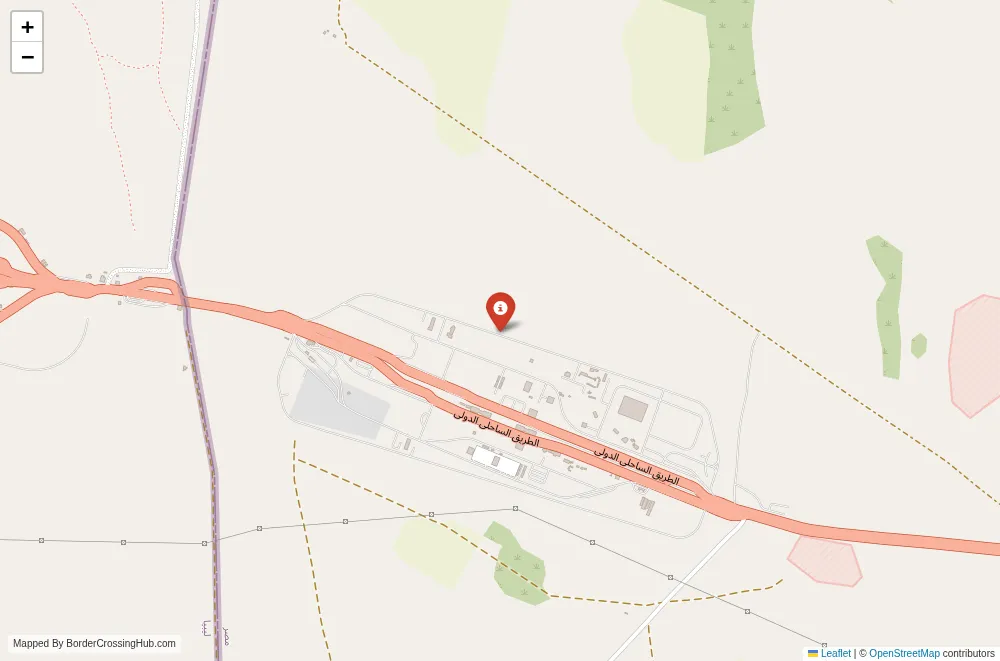
Approximate Border Location
Wait Times
Cars 60-240m; peaks 240-720m
Just crossed? Tap to report:
Operating Hours
Open 24 hrs (12:00 AM-11:59 PM)
Crossing Types
Ped,cars,buses,trucks; full controls
Border Type
Land crossing via coastal highway
Peak Times
07:00-11:00 AM; Fri-Sat peaks
Daily Crossings
6,000-25,000/day
Currency Exchange
EGP; LYD; USD common; exch at posts
Safety Information
Security checks; long queues possible
Languages Spoken
Arabic, English
Accessibility Features
Basic; step-free varies
About Meram & Wanjok
Monthly Update (March 2026):
As of 03/2026, the Meram & Wanjok Border Crossing stays fairly quiet with mostly local movement. Cars and small trucks appear throughout the day rather than forming steady queues. Inspections can take time when vehicles arrive. Seasonal road conditions sometimes affect how easily people reach the crossing.
No Cell Service at the Border? No Problem.
Don’t get caught scrambling for paperwork when you lose signal. Download the complete Africa Transit Guide directly to your device and access every critical detail, fast-track strategy, and border rule – 100% offline.
The Meram-Wanjok border crossing serves as a modest but strategically important land link between Sudan and South Sudan, situated in a region marked by pastoral communities and historical grazing routes. You typically approach this point when traveling overland in Northern Bahr el Ghazal State or South Kordofan, often as part of local trade or migration paths rather than mainstream tourist routes. Alternative names include Merrem-Majok, El Meiram-Wanjok, or Meram-Majok-yinhthiou crossing.
Location and Basic Connection
Meram (or El Meiram) lies in Sudan’s South Kordofan State, while Wanjok (also Wanyjok or Majok) sits in Aweil East County, Northern Bahr el Ghazal State, South Sudan. The crossing connects rural roads through flat savanna and seasonal grazing lands, facilitating movement between the two countries under a soft-border policy agreed in the early 2020s. It remains one of several agreed points along the contested 2,000-kilometer Sudan-South Sudan frontier, though it handles lower volumes than major corridors like Joda-Renk.
Historical Background
The border area stems from the 2011 South Sudan independence referendum, which left ambiguities in oil-rich and pastoral zones like Abyei and South Kordofan. Tensions over grazing rights between Misseriya nomads (often crossing from Sudan) and Dinka Malual communities in South Sudan led to periodic clashes. The crossing saw closures during the 2013-2018 civil war in South Sudan and later conflicts. In 2021, bilateral talks agreed to reopen four points, including Meram-Wanjok, as part of confidence-building measures. By 2022, local meetings operationalized a soft-border approach for managed crossings. Geopolitically, it supports pastoral mobility amid ongoing disputes, though Sudan’s civil war since 2023 has added layers of uncertainty.
Current Operating Status
As of early 2026, the crossing functions under soft-border arrangements, allowing limited passenger and trade movement, though operations remain informal and subject to local security. It opens intermittently based on agreements between border communities and authorities, with no fixed 24-hour schedule. Recent reports indicate activity for goods and people, but Sudan’s conflict and South Sudan’s instability cause frequent disruptions or unofficial management. Visa requirements apply: Sudan and South Sudan citizens cross with relative ease under pastoral protocols, but foreigners need pre-obtained visas for both countries and face strict checks. Confirm status through embassies or recent local reports, as many governments advise against travel to these border zones due to violence risks.
Practical Crossing Procedures
You cross primarily by foot, motorcycle, or vehicle on unpaved tracks. From the Sudanese side at Meram, present documents at informal or basic immigration points for exit stamps if available. Proceed across to South Sudan at Wanjok for entry formalities. South Sudan requires visas (often obtained in Khartoum or Juba), plus possible registration. Procedures involve document checks, questions about purpose, and occasional searches. The process takes 30 minutes to several hours depending on officers and crowds. Vehicle crossings need temporary import papers and fees; expect basic facilities with limited English.
Wait Times and Peak Periods
Lines stay short due to low foreign traffic, but pastoral migrations or trade surges extend processing. Peak seasons align with dry-period cattle movements (November-April), when nomads cross for grazing. Conflict-related displacements add irregular volume. Delays often stem from security checks or negotiations rather than queues.
Transportation Options
Shared vehicles or motorcycles connect Meram to nearby Sudanese towns like Delling or El Obeid. On the South Sudan side, transport links Wanjok to Aweil or farther south. No regular buses operate; locals use private hires or walk short distances. Stick to community-recommended transport to avoid issues. The roads tie into regional networks but require 4×4 vehicles in wet seasons.
Scams and Safety Warnings
This remote crossing sees limited tourist-targeted scams, but general risks include overcharging for “assistance” or transport. Unofficial checkpoints demand bribes; ignore non-official demands. The area carries high insecurity from inter-communal clashes, armed groups, and spillover from Sudan’s war. Travelers report detentions or forced returns. Kidnapping and violence risks exist, especially beyond immediate border zones. Many advise against non-essential travel; the remote setting offers little support if problems arise. Prioritize official channels and local guidance.
Road Conditions and Scenery
Approaches feature dirt tracks through savanna grasslands, acacia trees, and seasonal wetlands. The border zone shows flat plains with scattered villages and cattle herds. Dry season provides passable conditions; rains turn paths muddy and impassable. Views include open landscapes dotted with termite mounds and nomadic encampments.
Seasonal Variations and Weather Impacts
Dry months (November-April) allow easier crossings and higher pastoral traffic. Wet season (May-October) brings flooding, road closures, and reduced activity. Conflict escalations override seasons, causing sudden halts. Pastoral agreements often time openings to migration cycles.
Nearby Attractions
Wanjok offers basic markets and community life in Aweil East, with insights into Dinka culture. Meram provides glimpses of Misseriya nomadic traditions. The region appeals to those studying pastoralism or border dynamics, but lacks formal tourism sites. Nearby Aweil has modest amenities.
Cultural and Economic Role
Pastoral trade and cattle movement sustain the crossing, supporting livelihoods on both sides. It facilitates family ties and small commerce in goods like livestock and grains. Soft-border policies aim to reduce conflict over resources, though disputes persist. The point reinforces cultural links among transhumant groups in this frontier zone.
Final Planning Tips
Arrive with visas secured, cash in local currencies (Sudanese pound/South Sudanese pound), printed documents, and translation tools. Monitor security news closely and consult locals or authorities. Pack for basic conditions, including water and food. With thorough prep and caution, you manage formalities and experience this pastoral border area.
Wrapping Up the Crossing
Meram-Wanjok offers a low-profile, community-driven link between Sudan and South Sudan, shaped by pastoral needs and regional agreements. Time your approach carefully, prioritize safety, and it fits into understandings of this contested frontier. Safe travels.
No reviews yet.