
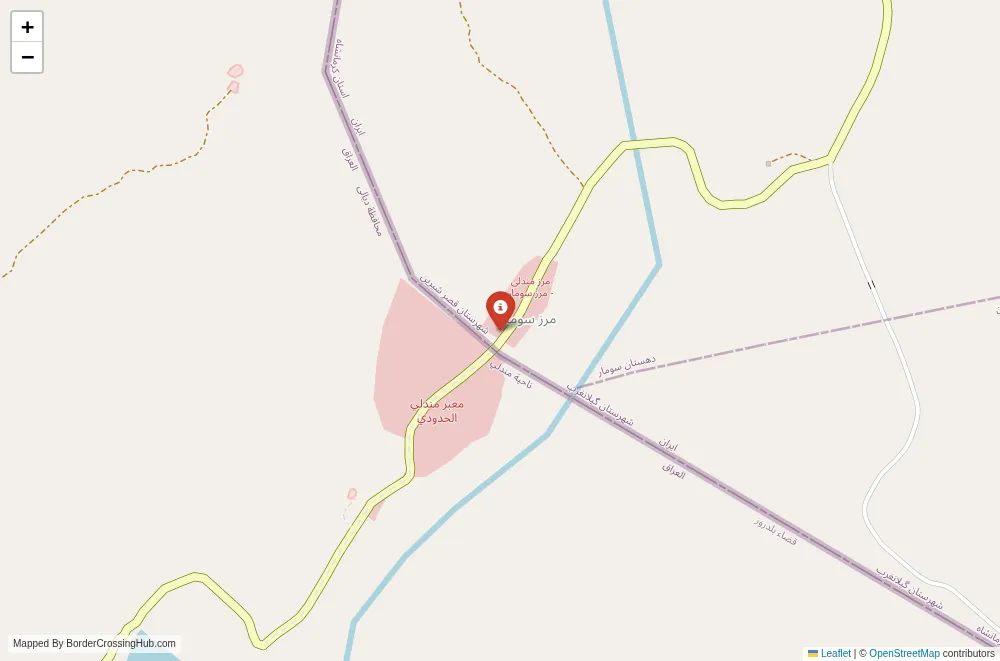
Approximate Border Location
Wait Times
Cars 30-180m; peaks 240-720m
Just crossed? Tap to report:
Operating Hours
Open 24 hrs (12:00 AM-11:59 PM)
Crossing Types
Cars,buses,trucks; controls; permits may apply
Border Type
Land crossing via road (regional)
Peak Times
Morning 07:00-11:00 AM; weekends
Daily Crossings
1,000-6,000/day
Currency Exchange
IQD; IRR; USD common; exchange near posts
Safety Information
Security presence; delays and checks
Languages Spoken
Persian/Arabic
Accessibility Features
Basic; step-free varies
About Mand & Pishin
Monthly Update (March 2026):
As of 03/2026, the Mand & Pishin Border Crossing stays active with a steady flow of vehicles and small trucks. Cars line up regularly, with the Iranian side sometimes slowing the process during document checks. Mornings often move faster before freight traffic builds. Regional trade keeps the crossing busy.
No Cell Service at the Border? No Problem.
Don’t get caught scrambling for paperwork when you lose signal. Download the complete Asia Transit Guide directly to your device and access every critical detail, fast-track strategy, and border rule – 100% offline.
The Mand-Pishin border crossing connects Pakistan and Iran as a pedestrian-only point focused on local trade and limited international movement in the remote Balochistan region.
Current Status and Safety Note
This crossing remains open for pedestrians as of early 2026, according to recent traveler reports and overland forums. It handles all passport holders, but vehicles face restrictions on the Iranian side, making car crossings impossible. The area falls in a sensitive zone with historical risks of sectarian violence, smuggling, and occasional security incidents in Balochistan and Sistan-Baluchestan provinces. Recent changes include the end of the Rahdari permit system for Pakistan-Iran borders starting March 15, 2026, requiring full passports and visas for all crossings. No major closures reported recently, but the low tourist volume and remote location mean sparse facilities and potential for thorough checks. Verify latest conditions via Pakistan’s Ministry of Interior, Iran’s border authorities, or reliable overland sources like Caravanistan before heading there. Exercise high caution, travel in daylight, and consider alternatives like Taftan-Mirjaveh if possible.
Alternative Names
Known as Mand-Pishin, Pishin-Mand, Mand (Pakistan side), or Pishin (Iran side). Some call it the Mand border market crossing due to the associated sustenance marketplace.
Location and Connections
Mand town lies in Pakistan’s Kech District, Balochistan, near Turbat and connected via local roads toward the Makran area. Pishin (not to be confused with Pakistan’s Pishin district) sits in Iran’s Sistan and Baluchestan Province, in Rask County near the border. The point links rural roads, with Pakistan side approaching from Turbat (Road links) and Iran side via Road 92. It sits far from major highways like the N-40 to Taftan, serving as a niche alternative in the southern border stretch.
Historical Background
The crossing formalized in 2021 as the third official point between the countries, following Taftan and Gabd. It ties into efforts to curb smuggling through legal trade channels. Inaugurated with a joint border sustenance marketplace in May 2023 by leaders from both sides, it became one of six planned markets to boost formal commerce along the 909 km frontier. The area has long seen informal trade in goods like food and construction materials, but official status arrived amid bilateral agreements to enhance economic ties and reduce illicit flows. It reflects post-conflict stabilization in border regions, with infrastructure like the marketplace aimed at local development.
Practical Crossing Procedures
Pedestrians only. From Pakistan (Mand), clear Pakistani exit controls, then cross to Iranian entry at Pishin. Pakistan requires visas in advance for most foreigners (no reliable land visa on arrival); Iran offers visa on arrival or e-visa at many land points for eligible nationalities (around $50-80 USD cash, forms on-site). Bring passport photos, exact cash, and printed applications if needed. Process includes stamps, basic interviews, and inspections. No vehicle passage, so plan onward transport on foot or local taxis post-crossing. Customs focuses on personal goods; declare anything over limits.
Wait Times and Operating Hours
Typically daylight hours, though trade elements might extend. With very low pedestrian traffic, waits stay minimal—often under an hour total. Peaks rare outside local market activity or trade surges. The associated border marketplace adds some foot traffic for goods, but foreigners report quick processing when open.
Transportation Options
No direct buses serve this remote point. From Pakistan, reach Mand via shared taxis or private vehicles from Turbat (several hours on paved but quiet roads). In Iran, access Pishin requires taxis from nearby towns like Rask or Chabahar area. Roads remain decent in flat/desert stretches, but rural detours feel isolated. Hitchhiking or overlanding on foot possible for adventurers, though sparse. Most travelers use it as a walking alternative to vehicle-focused crossings.
Scams and Warnings
Low international use limits organized scams, but border zones see currency exchange tricks (poor rates from unofficial changers) and occasional “helpers” pushing overpriced transport. Avoid anyone not in official uniform. With recent Rahdari changes, ensure full visa compliance to dodge denials. The isolation means limited help if issues arise; solo travelers, particularly women, report extra caution needed in quiet areas. Stick to marked paths and official booths.
Nearby Attractions
Mand offers rural Balochistan life with local markets and proximity to Turbat’s historical sites. Further, Gwadar provides coastal views and ports. On the Iranian side, Pishin connects to Chabahar’s beaches and free trade zone, or inland to Zahedan. The broader Makran coast draws for scenery and ports.
Seasonal Variations and Weather Impacts
Desert climate brings extreme summer heat (delaying outdoor waits) and mild winters. Dust storms or rare rain can slow access roads. Trade activity might rise with harvests, but pedestrian impact low.
Cultural and Economic Significance
It supports border communities through the sustenance marketplace, facilitating legal trade in essentials and reducing smuggling reliance. The point aids small-scale commerce in food and goods, strengthening ties in Baloch-influenced regions with shared heritage.
Planning Recommendations
Secure visas early (both sides strict post-2026 changes). Carry USD cash, passport copies, water, snacks, and offline maps for remote access. Cross during daylight and inform contacts of plans. Monitor overland forums for recent reports. If vehicle needed, choose Taftan or Gabd instead. Prepare for basic facilities and potential scrutiny.
Closing Note on Mand-Pishin
Mand-Pishin delivers a low-key pedestrian option for overlanders seeking quieter routes along the Pakistan-Iran frontier. With its trade market focus and ongoing developments, it adds practical value for locals and niche travelers. Stay current on rules and prioritize safety in this isolated stretch. Safe crossing. (Word count: 1042)
No reviews yet.