Monthly Update (September 2026):
Koundara & Sareboido area remains a minor Senegal-Guinea frontier route with no significant September closure identified. Guinea's current travel guidance continues to warn that political and social tensions can deteriorate without warning and that border closures, curfews and other movement restrictions may occur. This makes smaller crossings such as those around Koundara less predictable than the main international routes. Travelers should confirm locally that the specific crossing is operating for international traffic before taking a remote route.
About this crossing
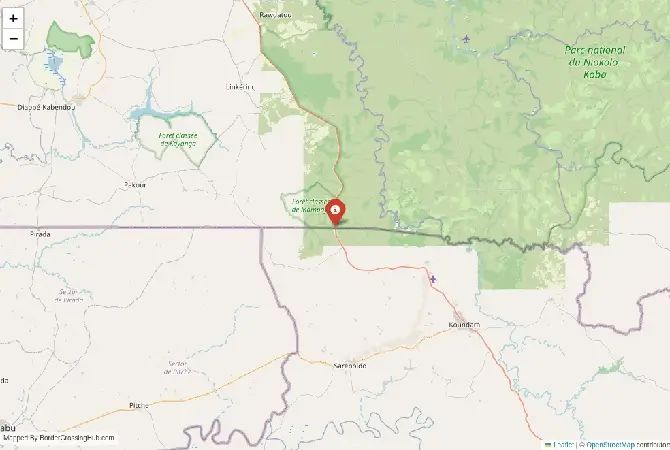
Sareboido sits on the Guinean side as a small settlement close to the actual border post. Koundara serves as the first proper town in Guinea, ## About 40 kilometers inland from the crossing area. The posts lie a short distance apart with a basic no-man's-land section. From Velingara or Kedougou in Senegal, you reach the border zone in several hours along the N5 road. Once across, Koundara provides basic services before the road heads toward Labé. The landscape shifts from Senegalese savanna to Guinean hills with denser vegetation and later steep climbs.
Historical Background
This border area forms part of the historic southern Senegambia region where Fulbe communities have long moved freely across lines for trade, herding, and family ties. Colonial borders divided traditional lands, yet people continued crossing informally for decades.
Nearby Border Crossings




The zone saw some instability in the 1990s from refugee flows linked to conflicts in neighboring countries. Koundara itself grew as a transit point for goods and people between Senegal, Guinea, and Guinea-Bissau. Unlike major coastal posts, this crossing stayed low-key, handling mostly local traffic and occasional overlanders. It reflects the porous nature of many inland West African frontiers where daily life often ignores official lines.
Crossing Procedures
You clear exit formalities on the departure side before completing entry on the arrival side. From Senegal to Guinea, handle Senegalese checks then cross the short zone to Guinean immigration near Sareboido or the main post. The reverse applies when heading north.
Foreign visitors need a valid passport. Guinea typically requires a visa in advance for most nationalities, though some ECOWAS citizens move with simpler procedures. Officials check yellow fever vaccination proof on both sides. Expect passport stamps, possible bag or vehicle inspections, and basic questions. Have small amounts of CFA francs ready for any minor official fees and request receipts if needed.
The setup uses basic facilities, sometimes in modest buildings or huts. Keep documents organized. Some travelers note staff handling paperwork manually, which can take extra time if forms need filling by hand.
Wait Times and Seasonal Factors
The full process often takes 30 minutes to two hours, but it varies with traffic and staff availability. Early mornings usually move faster since fewer people cross. Afternoons or market-related days can add delays as locals move goods.
Rainy season from June to October creates major issues. Heavy rains turn approach roads muddy, flood sections, and slow everything down. Dry months bring better flow but add dust and heat. This minor post sees limited volume compared to bigger crossings, so lines rarely grow long. Travelers sometimes clear in under an hour when prepared, while others face longer waits due to vehicle checks or incomplete paperwork. Build in extra time, especially if continuing south on rough roads.
Transportation Options
Shared taxis or bush taxis run from Senegalese towns like Velingara toward the border for reasonable fares and take several hours. The Senegalese side of the N5 offers mostly decent surfaces until closer to the line. On the Guinean side near Sareboido, transport continues to Koundara in shared vehicles or on motorcycles.
From Koundara onward to Labé, bush taxis operate but run less frequently in rainy season, sometimes only one per day. Motorcycle taxis often cover short stretches right at the border for small fees. Road conditions change sharply once in Guinea: initial sections may have some tarmac, but many parts become dirt tracks with potholes, rocks, and loose sand. Many people split the journey with an overnight in Koundara before tackling the tougher stretches south.
Scams & Warnings
This remote crossing sees occasional unofficial payment requests and minor hassles typical of smaller West African posts. Reports mention touts offering help with forms or stamps for extra fees. Some travelers describe staff asking for small "assistance" when handling manual paperwork.
On the Guinean side, checkpoint officers sometimes demand money under various pretexts, especially from vehicles or those carrying goods. Foreign visitors may face extra questions or pressure during checks. Decline unsolicited help and stick to official buildings and uniformed personnel. Money changers at or near the border give unfavorable rates; handle exchanges in Koundara or larger Senegalese towns instead.
Keep valuables secure, travel in daylight when possible, and avoid displaying large amounts of cash. Travelers have shared experiences of negotiating surprise fees or waiting out officials until standard procedures resumed. The area mixes local trade with some informal activity, and poor road conditions add another layer of risk. Staying alert and patient helps you pass without extra costs or lost time.
Nearby Attractions and Local Life
Koundara functions as a basic transit town with markets, simple accommodations, fuel stations, and shops where you can buy supplies or a local SIM card. It serves as the first stop in Guinea for many arrivals from Senegal. Sareboido remains a small settlement with limited services focused on border traffic.
The surrounding region offers rural scenes with hills, forests, and small villages. Further south the road enters the Fouta Djallon with its dramatic landscapes, waterfalls, and cooler climate. Most people treat the crossing as a practical link rather than a destination, yet the shift in scenery provides a clear change once you enter Guinea.
Practical Travel Tips
Prepare documents thoroughly: passport with enough validity, visa for Guinea if required, yellow fever card, and any proof of onward travel. Carry small-denomination CFA francs for transport and possible fees. Dress simply and remain patient through checks and potential paperwork delays.
Research current road conditions before departure since rain or maintenance can make sections difficult. Travel during daylight to avoid issues on poor tracks. If driving your own vehicle, confirm all papers and insurance for both countries. Bring plenty of water and snacks because waits, breakdowns, or slow roads can extend your day significantly.
In rainy months, allow much more time and choose transport suited for mud and rough terrain. Groups sometimes share taxis for lower costs and safety. Confirm the exact status of this minor crossing locally, as smaller posts can have occasional restrictions or changes in hours. Check official sources for the latest entry rules.
Planning Your Crossing
The Koundara-Sareboido border serves as a functional but basic inland link between Senegal and Guinea, often used by those heading into the Fouta Djallon. Give yourself enough time, verify visa and entry details from official channels shortly before travel, and interact directly with staff at every step.
Many locals cross regularly for trade and family visits, while overlanders use it to access Guinea's interior. Your experience depends on timing, weather, road state, and how you manage the procedures. Review conditions close to your trip date because infrastructure work or security measures can introduce temporary changes. With careful preparation, you handle the formalities and continue your journey along the challenging but rewarding West African overland route.
View all border crossings between Senegal and GuineaPractical information
Fuel
Senegal: 2 km - Guinea: 2 km
Currency
XOF,GNF informal
Safety information
Remote, light control
Connectivity
Rural roads
Have you crossed here?
Help other travelers by sharing your experience, wait times, and any updates.