
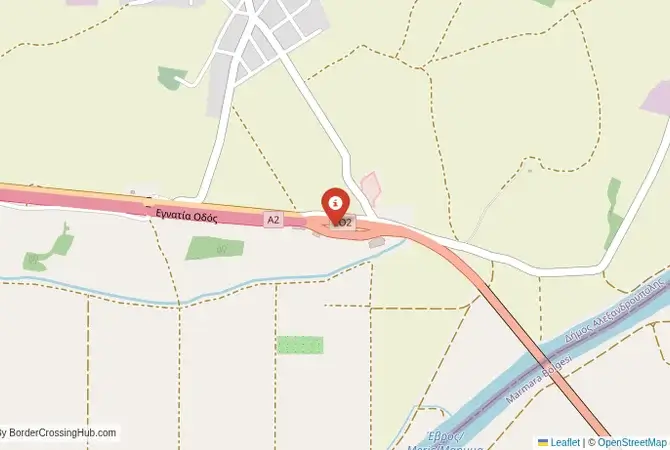
Approximate Border Location
Wait Times
40-150 min pedestrians/vehicles
Just crossed? Tap to report:
Operating Hours
Open 24 hours
Crossing Types
Pedestrians, vehicles, commercial
Border Type
Land crossing via road
Peak Times
7-10 AM, weekends
Daily Crossings
9000-12000 travelers/vehicles
Currency Exchange
Near Kipoi (EUR, TRY)
Safety Information
Busy, night caution
Languages Spoken
Greek/Turkish
Accessibility Features
Ramps, elevators
About Kipoi & Uzunköprü
Monthly Update (April 2026):
Traffic funnels into inspection lanes, with queues forming under the sun. In April 2026, Kipoi & Uzunköprü Border Crossing is variable and often slow. Vehicles heading into Turkey tend to face longer processing times. Weekends and seasonal travel can stretch waits further.
No Cell Service at the Border? No Problem.
Don’t get caught scrambling for paperwork when you lose signal. Download the complete South America Transit Guide directly to your device and access every critical detail, fast-track strategy, and border rule – 100% offline.
General Overview
Straddling the Evros River’s banks, the Kipoi-Uzunköprü border crossing connects Kipoi in Greece’s East Macedonia and Thrace with Uzunköprü in Turkey’s Edirne province. Known as the Kipoi-Ipsala Granica or E85 crossing, it’s a vital route for tourists and truckers traveling between Thessaloniki and Istanbul. Greece is in the Schengen Area, but Turkey is not, requiring passport and visa checks for most travelers. You’ll find Greek charm blending with Turkish hospitality, with river plains and rolling hills nearby. Stay vigilant for strict customs checks on goods like alcohol or tobacco due to regulatory differences.
Historical and Geopolitical Context
The border was formalized in 1923 by the Treaty of Lausanne, assigning Kipoi to Greece and Uzunköprü to Turkey after centuries of Ottoman rule. During the Cold War, this crossing was a tense NATO-Warsaw Pact divide, with militarized checkpoints limiting travel. Today, it supports daily crossings, driven by trade, tourism, and agriculture. Greece’s Schengen status and Turkey’s non-EU position mean rigorous controls, with visa requirements for many nationalities. Occasional migration tensions increase checks. Confirm border status to avoid delays, especially during peak seasons.
Crossing Procedures and Wait Times
All travelers need a passport, and non-EU citizens may require a Turkish visa, obtainable online for many nationalities. Customs inspections target alcohol (1L spirits) or tobacco (200 cigarettes), with Turkish officers strict on undeclared goods. Pedestrians cross in 15-20 minutes via footpaths or side routes, while vehicles wait 30-60 minutes during peak hours (8-10 AM, 5-7 PM). The border operates 24/7, with delays up to 90 minutes during summer tourist peaks (July-August) or Turkish holidays like Ramadan. Random health checks may occur, though COVID-19 restrictions ended in 2022. Early crossings help avoid congestion.
Routes and Transportation
From Kipoi, KTEL buses or taxis (30 minutes, €5-€8) reach Uzunköprü’s central station. By car, the E85/D110 highway crosses in 20 minutes (10km), with clear signage. Cyclists can use local paths (15km) along the Evros River, offering scenic views. From Uzunköprü, buses connect to Istanbul (3 hours, €15-€20), and trains reach Edirne (1 hour, €5). Greece’s E85 links to Alexandroupoli. Roads are paved but narrow in rural areas, and summer traffic or winter fog may slow travel, so check conditions. Avoid unofficial taxis at Kipoi’s bus stop, as travelers report €50 overcharges for short trips.
Travel Tips and Scam Warnings
Always carry passport and visa for checks, especially on buses or at border posts. Uzunköprü’s shops advertise deals on spices, textiles, or Turkish delight, but prices may be inflated; compare at Kipoi’s markets for better value. Use ATMs in Kipoi or Uzunköprü for EUR or TRY to avoid poor exchange rates at kiosks. Pickpocketing is rare but reported at Uzunköprü’s station during festivals like the Edirne Oil Wrestling. Fake border assistants may charge €20 for paperwork; deal only with officials. Declare goods to avoid fines up to €200. Purchase Turkey’s road permit (€10) online to avoid penalties.
Cultural and Economic Significance
With daily crossings, the region thrives on trade, tourism, and agriculture. Greek and Turkish languages blend, with bilingual menus in cafes and restaurants. Kipoi’s markets sell olive oil, ouzo, and feta, while Uzunköprü’s offer baklava, Turkish coffee, and kebabs. The Evros Festival unites both sides with music, dance, and crafts. Economic differences fuel shopping, with Greeks favoring Uzunköprü’s cheaper textiles and Turks visiting Kipoi for EU goods, boosting local economies. The E85’s role as a trade corridor enhances connectivity.
Nearby Attractions
Kipoi’s nearby Alexandroupoli boasts sandy beaches and a historic lighthouse. Uzunköprü’s 14th-century stone bridge and Ottoman mosques offer cultural charm. For a detour, Edirne (1 hour) features the UNESCO-listed Selimiye Mosque, while Komotini (1 hour) has Byzantine ruins. Visit Kipoi’s tavernas for moussaka or Uzunköprü’s cafes for Turkish kebabs and çay.
Seasonal and Weather Considerations
Summer (June-August) brings 25-35°C weather, ideal for cycling or hiking, but crowds peak during Turkish holidays or Greek festivals. Winter (December-February) sees 0-10°C with fog or rain, slowing rural roads. Spring and fall offer mild 10-20°C weather, though Evros River fog may reduce visibility. Check forecasts for sudden weather changes before traveling.
Planning Recommendations
Cross early to avoid peak delays and carry EUR or TRY for convenience. Book bus tickets via KTEL or Turkish apps for discounts, and check schedules for updates. Confirm border status for visa or customs checks, especially during holidays or festivals. Visit Kipoi’s tourist office for cycling maps, event schedules, or hiking guides. Pack sunscreen for summer or rain gear for winter to handle the region’s weather. Purchase Turkey’s road permit online to avoid penalties. With preparation, this crossing connects you to the Evros region’s cultural and scenic allure seamlessly.
No reviews yet.