
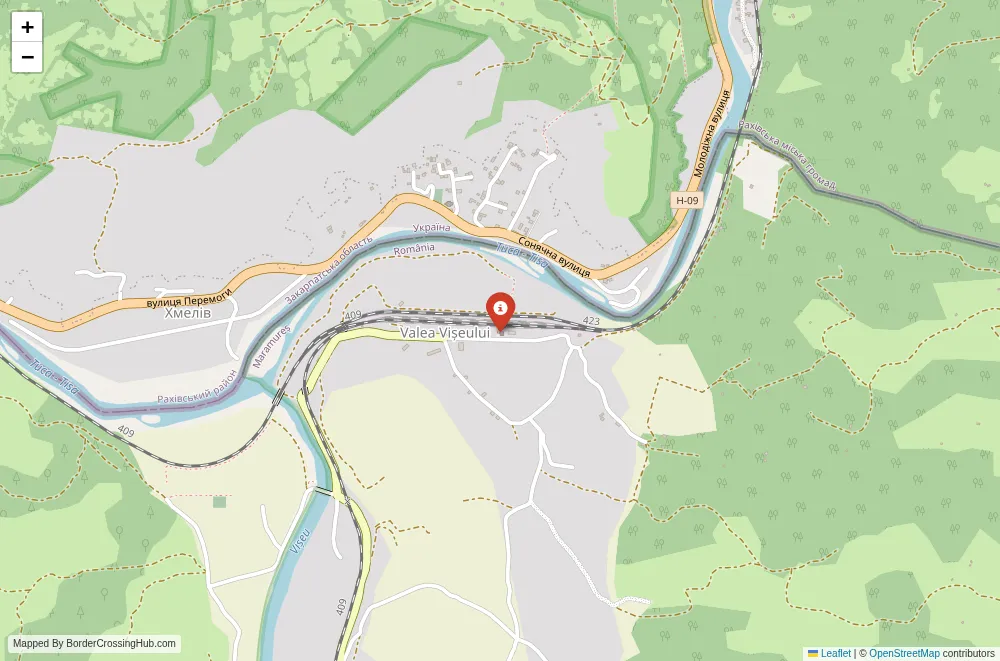
Approximate Border Location
Wait Times
Cars 45-180m; peaks 180-480m
Just crossed? Tap to report:
Operating Hours
08:00 AM-08:00 PM
Crossing Types
Ped,cars; border controls
Border Type
Land crossing via road (mountain)
Peak Times
10:00 AM-03:00 PM; summer
Daily Crossings
600-3,500/day
Currency Exchange
RON; UAH in Vișeu/Sighet; ATMs limited
Safety Information
Mountain roads; checks can be slow
Languages Spoken
Ukrainian/Romanian
Accessibility Features
Uneven approaches; minimal ramps
About Isaccea & Orlivka
Monthly Update (March 2026):
As of 03/2026, the Isaccea & Orlivka Border Crossing runs on a ferry schedule across the Danube. Cars and trucks gather before departures, then the line clears once the ferry boards. Midday sailings often feel the smoothest. Wind on the river and freight demand can change how quickly things move.
No Cell Service at the Border? No Problem.
Don’t get caught scrambling for paperwork when you lose signal. Download the complete Europe Transit Guide directly to your device and access every critical detail, fast-track strategy, and border rule – 100% offline.
The Isaccea-Orlivka border crossing (also known as Isaccea – Orlivka, Isakcha, or Орлівка – Ісакча) provides a unique ferry-based link across the Danube River, connecting the Romanian town of Isaccea in Tulcea County to the Ukrainian village of Orlivka in Odesa Oblast’s Reni Raion.
Location and Basic Connections
This point spans the Danube, with the Romanian terminal at Isaccea and the Ukrainian one at Orlivka, about 900 meters apart. The short ferry ride takes 7-8 minutes. It serves as a direct route from southern Odesa Oblast to the EU, shortening land journeys by up to 200 km and cutting customs clearance time for cargo by 10-12 hours. The crossing handles passenger vehicles, private cars, freight (including RoRo), and pedestrians. From Romania, access comes via E87 or local roads from Tulcea; on the Ukrainian side, roads lead toward Izmail or Reni. It remains a key option for those heading to southern Europe or Turkey from Ukraine, or vice versa.
Historical Background
The crossing launched in September 2020 after years of planning and agreements between Romania and Ukraine (notably in 2015). It emerged as a modern alternative in the Danube delta region, where the river forms a natural border. The area has long seen trade and movement among Romanian, Ukrainian, and other communities in the Budjak and Dobruja zones. Post-launch, it quickly became vital for logistics, especially after 2022 when Black Sea routes faced disruptions. The point has endured multiple Russian drone or missile strikes on the Ukrainian side (e.g., October 2023, October 2024, November 2025), causing temporary suspensions and damage to infrastructure like the ferry terminal.
Current Status and Safety Warnings
As of early 2026, the crossing has resumed operations following a November 2025 Russian drone strike that damaged the Orlivka terminal. It restarted in test mode by early December 2025 and appears to function under normal or near-normal conditions based on ferry operator updates. It operates as an international maritime/ferry point per Ukraine’s State Border Guard Service. The location carries elevated risks due to proximity to conflict-affected southern Ukraine. Strikes have targeted the Orlivka side repeatedly, leading to closures lasting days to weeks for repairs. While the Romanian side (Isaccea) stays unaffected directly, airspace alerts or rerouting can occur. Scams are less common than at busier land points, but watch for unofficial helpers or inflated ferry/vehicle fees in queues. Petty theft in waiting areas happens occasionally. Check official sources rigorously: Romania’s Border Police (politiadefrontiera.ro), Ukraine’s State Border Guard Service (dpsu.gov.ua), or ferry sites like porom.org before travel. Monitor for sudden closures from security events. This remains a viable but unpredictable crossing.
Operating Hours and Wait Times
The ferry line runs 24/7. From 8:00 a.m. to 8:00 p.m., two ferries operate nonstop, departing every 30-40 minutes from each shore. Overnight (8:00 p.m. to 8:00 a.m.), one ferry runs approximately hourly. Border processing adds time; arrive early before ferry departure for passport and customs. Waits vary: 15-45 minutes typical for cars under normal conditions, longer during peaks or post-disruption recovery. Freight queues can extend further. Real-time info comes from border police apps or sites.
Visa Requirements for Foreign Visitors
Romania (EU/Schengen external border) allows visa-free entry for many nationalities up to 90 days in 180; verify your passport. Ukraine grants visa-free stays for numerous countries (90 days in 180) or e-visas. At this ferry point, standard entry/exit stamps apply with no noted extras for foreigners. Biometric passports help speed checks. Cargo/passenger rules may differ; confirm bilateral policies.
Crossing Procedures Step by Step
Arrive at the terminal (Romanian or Ukrainian side) well before ferry departure for passport control and customs. Clear exit formalities, load vehicle/pedestrian onto the ferry (RoRo style), cross the Danube (7-8 minutes), then disembark for entry checks on the opposite side. Inspections include documents, vehicle scans, declarations, and possible luggage review. The process reverses outbound. Facilities handle passenger cars, trucks, and foot passengers separately. No bridge exists; ferry is mandatory.
Transportation Options
Ferry carries vehicles directly (drive on/off). Private cars or trucks use this for direct transit. Pedestrians board as foot passengers. No dedicated public buses target the terminals; arrange taxis or local rides to/from Isaccea (near Tulcea) or Orlivka (near Reni/Izmail). Onward connections in Romania go to Constanta or Bucharest; in Ukraine, toward Odesa or south. Negotiate fares carefully on local transport.
Road Conditions and Scenery
Approaches on both sides are paved rural roads, decent but prone to dust or minor wear in delta areas. The Danube delta scenery impresses: wide river views, wetlands, reed beds, birdlife, and flat agricultural plains. Isaccea side offers Dobrogea hills nearby; Orlivka features Budjak steppe. The short ferry provides panoramic river perspectives.
Nearby Attractions
Isaccea in Romania has historical sites like ancient ruins and Danube views. Tulcea nearby serves as gateway to the Danube Delta biosphere reserve with boat tours, wildlife, and fishing villages. On the Ukrainian side, Orlivka is rural with limited draws; nearby Izmail offers fortress history and markets. The delta region appeals to nature enthusiasts, though security limits casual exploration near the border.
Seasonal Variations and Weather Impacts
The 24/7 ferry helps year-round, but fog, strong winds, or ice in winter can delay or halt crossings. Summer sees higher traffic from tourism/trade, extending waits. Strikes or repairs override seasons; delta floods or storms occasionally affect terminals.
Practical Travel Tips
Arrive 1-2 hours early for processing/ferry boarding. Bring local currencies (RON/EUR Romania, UAH Ukraine) or cards. Declare goods accurately to avoid fines. Use official apps for queues. Ignore unofficial guides. Travel daylight if possible for rural roads. Monitor alerts closely due to regional instability.
Cultural and Economic Role
It strengthens ties between Romania and southern Ukraine, supporting trade in agricultural goods, logistics to Constanta port, and family/community links in border areas. The ferry eases EU access for Odesa region, boosting economic flows despite disruptions.
Final Thoughts on This Ferry Crossing
Isaccea-Orlivka delivers a direct Danube shortcut for Romania-Ukraine travel, but demands flexibility due to occasional disruptions. Verify status and queues ahead, then cross prepared. Safe passage over the river.
No reviews yet.