
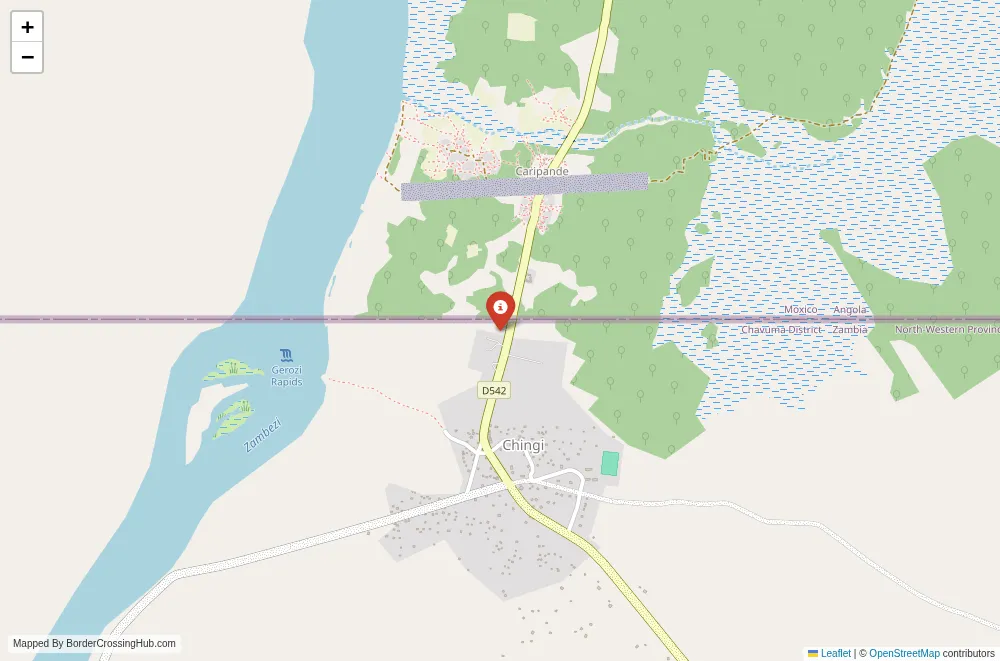
Approximate Border Location
Wait Times
Cars 30-180m; peaks 240-720m
Just crossed? Tap to report:
Operating Hours
08:00 AM-06:00 PM
Crossing Types
Ped,cars; limited trucks; border controls
Border Type
Land crossing via road (remote)
Peak Times
Morning 07:00-11:00 AM
Daily Crossings
100-800/day
Currency Exchange
AOA; ZMW; USD common; cash only
Safety Information
Remote area; delays and checks likely
Languages Spoken
Portuguese, English
Accessibility Features
Minimal; rough surfaces
About Impalila Island & Kasane
Monthly Update (March 2026):
As of 03/2026, the Impalila Island & Kasane Border Crossing moves according to boat crossings on the Chobe River. Travelers gather before departures and clear immigration once boats dock. Waits tend to stretch slightly during busy safari travel hours. Tourism traffic keeps the crossing lively.
No Cell Service at the Border? No Problem.
Don’t get caught scrambling for paperwork when you lose signal. Download the complete Africa Transit Guide directly to your device and access every critical detail, fast-track strategy, and border rule – 100% offline.
The Impalila Island-Kasane border crossing stands as a unique water-based connection between Namibia and Botswana, utilizing the Chobe and Zambezi rivers to link Impalila Island in Namibia’s Caprivi Strip (now part of Zambezi Region) directly to Kasane in Botswana’s Chobe District. You typically use this point when traveling overland or by boat in the four-country border area (Namibia, Botswana, Zambia, Zimbabwe), often as part of routes from Katima Mulilo in Namibia toward Kasane and Chobe National Park, or when exploring the Chobe-Zambezi confluence without relying on the busier Ngoma or Kazungula crossings. Alternative names include the Impalila Border Post (Namibia side), Kasane Immigration Office or Chobe Ferry Point (Botswana side), or simply the Impalila-Kasane crossing.
Location and Basic Connection
Impalila Island sits at the eastern tip of Namibia’s Zambezi Region, where the Chobe River flows into the Zambezi, forming a quadripoint with Botswana, Zambia, and Zimbabwe nearby. Kasane lies on Botswana’s side along the Chobe River, serving as the gateway town to Chobe National Park. The crossing involves a short boat trip (motorboat or mokoro) across the Chobe River from Impalila to Kasane, or vice versa, with immigration formalities handled on each bank. It connects gravel roads on Impalila to Kasane’s paved network, supporting passenger movement, local trade, and tourism in this wildlife-rich confluence zone.
Historical Background
The quadripoint area emerged from colonial treaties that defined boundaries along the Chobe and Zambezi rivers, with ambiguities persisting into modern times due to shifting channels. Impalila Island became a focal point for cross-border communities, including the Mafwe and Subia peoples, who maintained kinship ties across the rivers. During Namibia’s liberation struggle and Botswana’s stability, the area saw refugee flows and informal movements. Post-independence, the crossing supported tourism growth around Chobe National Park, with boat-based formalities evolving from informal to structured immigration points. Recent years have seen improved coordination under SADC, though the crossing remains informal compared to road posts.
Current Operating Status
As of early 2026, the crossing operates daily from approximately 07:00 to 18:00 or sunset, depending on light and demand (local time UTC+2). It remains open without major disruptions reported recently. Namibia and Botswana both offer visa-free entry for many nationalities (90 days for most Europeans, Americans, and others; South Africans and some others visa-free). The post handles passenger boats, with immigration offices on Impalila (Namibia) and Kasane riverbank (Botswana). Confirm via embassies or recent traveler accounts, as hours can adjust for weather, holidays, or low water levels. The crossing sees steady tourism use, especially for Chobe safaris.
Practical Crossing Procedures
You cross by boat (shared motorboat, private charter, or mokoro). From Namibia at Impalila, complete exit formalities at the small immigration office near the riverbank for passport stamps and checks. Board a boat (often arranged by lodges or local operators) for the short trip (5-15 minutes) across the Chobe River to Kasane. On Botswana’s side, disembark and handle entry at the immigration office, with stamps, questions, and possible luggage checks. Bring passport photos, cash for boat fees (often $10-30 USD per person round-trip), proof of accommodation (especially for Botswana), and onward plans. The process usually takes 30 to 90 minutes total, including boat wait times. Boats run on demand or scheduled times during peak season.
Wait Times and Peak Periods
Waits stay short outside high season, often 15-45 minutes for boat and formalities. Peak tourism periods (July-October dry season) see more boats and longer waits due to safari crowds heading to Chobe. Early mornings or late afternoons move quickest. No extreme queues reported, though boat availability can vary.
Transportation Options
Lodges on Impalila (such as Chobe Princess or Impalila Island Lodge) arrange boat transfers to Kasane. From Kasane, taxis or lodge shuttles connect to town or Chobe National Park gates. In Namibia, gravel roads lead to Impalila from Katima Mulilo. No public buses cross directly; private charters or shared boats fill the gap. Arrange transport ahead, especially in low season.
Scams and Safety Warnings
Scam reports remain low at this small post, but watch for inflated boat fares or unofficial “guides”; book through lodges or verified operators. Petty overcharges occur occasionally. The riverine area carries wildlife risks (hippos, crocodiles) and currents; follow boat operator instructions. Both countries feel safe during daylight operations, but standard caution applies for valuables and wildlife. No major crime issues noted at the crossing itself.
Road Conditions and Scenery
Namibia’s approach to Impalila features gravel roads through Caprivi woodlands and floodplains. The river crossing offers stunning views of the Chobe-Zambezi confluence, with elephants, hippos, and birds common. Botswana’s Kasane side connects to paved roads leading to Chobe National Park gates. Scenery dominates: wide rivers, lush riverine forests, and open plains with abundant wildlife.
Seasonal Variations and Weather Impacts
Dry season (May-October) provides low water levels, excellent wildlife viewing, and reliable boat access. Wet season (November-April) brings high water, flooding, and lush scenery, but some paths may become impassable and boat operations can vary. Tourism peaks in dry months, increasing boat traffic.
Nearby Attractions
Impalila Island offers luxury lodges with river views and access to Chobe and Zambezi wildlife. Kasane serves as the main gateway to Chobe National Park, famous for elephant herds, river safaris, and game drives. Nearby Zambia’s Kazungula and Zimbabwe’s Victoria Falls are reachable with additional crossings. The area excels for safari enthusiasts and birdwatchers.
Cultural and Economic Role
Tourism drives much activity, supporting lodges, boat operators, and guides. Local trade in fish, crafts, and essentials sustains communities. The crossing reinforces ties among riverine peoples and aids regional tourism in the Kavango-Zambezi Transfrontier Conservation Area.
Final Planning Tips
Book boat transfers through lodges, carry USD cash for fees, printed documents, and insect repellent. Arrive early for daylight crossings and prepare for wildlife on the river. Check lodge or embassy updates for status. With preparation, you manage formalities and enjoy the scenic river passage.
Wrapping Up the Crossing
Impalila Island-Kasane delivers a distinctive boat-based link between Namibia and Botswana, blending practical border travel with exceptional wildlife scenery. Time your trip for dry season, arrange transport ahead, and it becomes a memorable step into the Chobe region. Safe travels.
No reviews yet.