
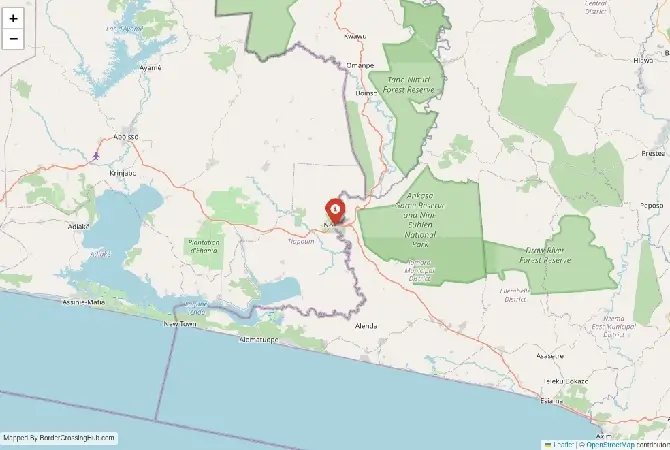
Monthly Update (September 2026):
Elubo & Noé remains the principal Liberia-Côte d'Ivoire road crossing and an important route for regional passenger and commercial traffic. No significant September closure has been identified. The crossing continues to form part of the wider Abidjan-Monrovia transport corridor, so commercial traffic can be considerably heavier than at Liberia's smaller frontier posts. Travelers should allow additional time when freight activity picks up.
About this crossing
If you are traveling through this part of West Africa, this is one of the crossings you are most likely to encounter. It handles a constant stream of commercial and passenger traffic.
Strategic Role in Regional Trade
This crossing plays a critical role in connecting anglophone and francophone West Africa. Goods moving between ports, inland markets, and neighboring countries frequently pass through here.
Nearby Border Crossings


You will see large numbers of cargo trucks transporting fuel, food products, construction materials, and manufactured goods. The steady movement reflects how essential this corridor is for regional economies.
The bridge over the Tano River marks the actual border point, acting as both a physical and symbolic divide between the two countries.
Border Layout and Facilities
Facilities at Elubo and Noé are among the more developed in the region. You will find structured immigration offices, customs zones, and designated areas for different types of traffic.
However, the size and importance of the crossing also mean it can feel crowded. Trucks, buses, and pedestrians all pass through the same general area, creating a busy environment.
Signage is present but not always intuitive. You may need to ask for directions to ensure you complete all required steps.
Operating Hours and Timing
The border generally operates throughout the day, with activity often extending into the evening due to the volume of traffic.
You should aim to cross early in the morning if possible. Traffic builds quickly, especially as cargo trucks arrive, and delays become more likely later in the day.
Weekends and holidays can also affect traffic patterns, sometimes leading to longer waiting times.
Visa Requirements and Documentation
You should prepare your documents in advance.
For Ghana, most travelers require a visa obtained before arrival.
For Ivory Coast, a visa is also required for most nationalities. Ivory Coast offers an eVisa system, but it is primarily designed for air arrivals, so you should confirm its applicability for land crossings.
A yellow fever vaccination certificate is mandatory for both countries and is routinely checked.
Carrying printed copies of all documents is strongly recommended.
Crossing Procedure and Wait Times
The process involves exiting one country and then completing entry formalities on the other side.
Wait times can vary significantly. On a relatively quiet day, you might complete the crossing in 45 to 60 minutes. During peak periods, especially when multiple buses or trucks are being processed, delays can extend to 90 minutes or more.
If you are traveling by bus, expect additional waiting time as all passengers are processed together.
Heavy Traffic and Congestion
This crossing is defined by its volume of freight traffic. Long lines of trucks are common, particularly on the Ivorian side.
These vehicles are part of regional supply chains, and their presence can slow movement for everyone else. You should be prepared for a busy and sometimes chaotic environment.
Pedestrian crossings are possible, but you will need to navigate through vehicle traffic carefully.
Road Conditions and Transport Links
Road infrastructure is one of the strengths of this crossing. The coastal highway connecting Elubo and Noé is paved and heavily used.
On the Ghana side, Elubo connects to roads leading toward Takoradi and Accra. On the Ivory Coast side, Noé links to routes heading toward Abidjan.
Public transport is widely available. Long-distance buses, minibuses, and shared taxis regularly operate along this corridor, making the crossing accessible without private transport.
Seasonal and Weather Considerations
Weather can influence travel conditions, though the main road remains usable year-round.
During the rainy season, heavy rainfall can slow traffic and create muddy conditions in surrounding areas. In the dry season, heat and humidity are the main challenges.
Waiting in queues under the sun can be uncomfortable, so carrying water is important.
Scams & Warnings
As one of the busiest crossings in the region, you may encounter unofficial helpers offering to speed up the process. These individuals often expect payment and are not necessary.
You should follow official procedures and avoid paying for services you do not need. If fees are requested, ask for receipts and clarification.
Another common issue is confusion during the process. With multiple checkpoints, it is important to ensure you receive all required stamps before proceeding.
Local Atmosphere and Cross-Border Movement
The Elubo–Noé crossing reflects the strong economic connection between Ghana and Ivory Coast. You will see traders, transport workers, and travelers moving between the two countries.
Language differences are noticeable. English is widely spoken in Ghana, while French is used in Ivory Coast. Being prepared for both can make communication easier.
The overall atmosphere is busy but organized, shaped by constant movement and trade.
Practical Tips for Travelers
You should keep your documents organized and easily accessible. Printed copies are essential.
Carrying small denominations of local currency can help with legitimate fees and small purchases. Food and water are available nearby, but having your own supplies is useful during delays.
Mobile network coverage is generally available, though it may vary near the border.
Final Thoughts
The Elubo–Noé crossing is one of the most important coastal routes in West Africa, supporting both regional trade and international travel.
Closing Note
You should approach this crossing with preparation and patience. It is busy and sometimes slow, but it remains one of the most reliable and widely used border points in the region.
View all border crossings between Liberia and Ivory CoastPractical information
Fuel
Ghana: <1 km - Ivory Coast: <1 km
Currency
GHS,XOF offices
Safety information
Busy but stable
Connectivity
Highway,buses,taxis
Have you crossed here?
Help other travelers by sharing your experience, wait times, and any updates.