
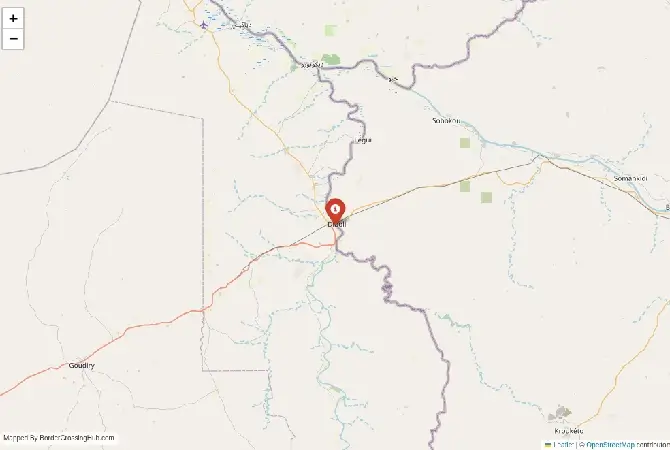
Monthly Update (September 2026):
Diboli and Kidira remains the principal Senegal-Mali road gateway, but traffic through Kidira has slowed considerably. A recent report from the town describes commercial activity and transit along the Dakar-Bamako corridor as being heavily affected by security problems connected with the situation in Mali, with trucks and buses that normally use the crossing seeing much weaker activity. There is no new September closure to report, but this is not currently a straightforward high-volume corridor despite its importance on the map. Travelers heading toward Mali should treat security and changing conditions as more important than expected border-processing times.
About this crossing
This is one of the main land routes between the two countries, especially for cargo heading toward Bamako or Dakar. Unlike more remote crossings, you will encounter a steady mix of trucks, shared taxis, and regional travelers.
Colonial tracks and modern trade
The Dakar to Bamako railway shaped this border’s importance. Built during French colonial rule, it linked the Atlantic coast to the interior, and Kidira became a natural checkpoint along that route. Even though rail service has declined over the years, the road corridor that parallels it remains active.
Nearby Border Crossings



Trade dominates daily life here. Fuel, food products, construction materials, and livestock all pass through regularly. The crossing supports Mali’s access to Senegal’s ports, making it economically significant despite its relatively modest infrastructure.
First impressions at the border
Kidira on the Senegal side feels like a transport town: trucks lined up, roadside stalls, and currency changers circulating near the checkpoint. Diboli on the Malian side is quieter but still busy enough to reflect its role in cross-border trade.
Facilities are basic but more structured than smaller rural crossings. You will find separate immigration offices on each side, though signage can be limited. The overall layout is straightforward once you identify where to stamp out and in.
Border procedures and expected timing
You start by exiting Senegal in Kidira. Officials usually process passports without much delay, often within 10 to 20 minutes. From there, you continue a short distance to Diboli for Malian entry formalities.
Visa requirements for Mali vary by nationality, and you should arrange your visa in advance unless you are certain of eligibility for entry at land borders. Procedures on the Malian side can take longer than in Senegal, especially if there are multiple travelers being processed at once.
Wait times typically range from 20 minutes to an hour. Delays increase when trucks are being cleared or if you arrive during midday breaks.
Transport options and road conditions
The main road connecting Kidira to Tambacounda in Senegal is paved and generally in decent condition. From Diboli, the road toward Kayes and onward to Bamako is also paved, though sections can deteriorate depending on maintenance and weather.
Shared taxis and minibuses are the most common way to cross. These vehicles often wait until full before departing, so timing can be unpredictable. Long-distance buses between Dakar and Bamako also pass through here, making it a practical option if you are traveling overland.
Motorcycle taxis operate locally, but they are less relevant for crossing itself compared to other borders.
Seasonal changes and travel timing
The rainy season, usually from June to October, can affect travel conditions. While the main roads remain passable, smaller connecting routes may become muddy or flooded. This can slow down traffic reaching the border and create minor delays.
During the dry season, dust and heat become the main challenges. Temperatures can be high, particularly on the Malian side, so carrying water is important.
Arriving in the morning often leads to quicker processing. Afternoons can be slower due to heat and reduced staffing.
Scams & Warnings
Compared to crossings like Rosso, Kidira–Diboli has fewer aggressive scams, but you should still stay alert. Unofficial helpers may offer assistance with forms or procedures and then request payment.
Some travelers report minor requests for tips or “fees” that are not clearly explained, particularly on the Malian side. As usual, remain polite and ask for receipts if anything seems unclear.
Currency exchange is another area to approach carefully. Rates offered near the border are often less favorable than in towns. If possible, exchange money in larger المدن before arriving.
Nearby towns and stopping points
Kidira itself is mostly functional, with limited accommodation and basic eateries. Many travelers pass through without staying. Tambacounda, further west, offers better options if you need a break before or after crossing.
On the Malian side, Diboli is even more limited. Most travelers continue toward Kayes, which serves as a regional hub with more services.
If you are interested in the railway history, you can still see remnants of the Dakar to Bamako line near the border, though passenger service is irregular.
Cultural and economic significance
This crossing reflects the close economic ties between Senegal and Mali. You will hear a mix of French and local languages such as Bambara and Pulaar. Cross-border families and traders move through regularly, maintaining connections that predate modern borders.
The steady flow of goods reinforces Mali’s reliance on Senegalese ports. Even with infrastructure challenges, this route remains one of the most practical links between the coast and Mali’s interior.
Practical tips for your crossing
Keep multiple copies of your passport and visa documents. Officials may ask for them, and having extras can save time. Carry small denominations of West African CFA franc, as both sides use it.
Dress modestly and keep your belongings organized. While the area is generally safe, a low-profile approach helps avoid unnecessary attention.
Be patient with transport schedules. Vehicles rarely leave on fixed timetables, so flexibility is useful when planning your journey.
Final note
A steady but manageable crossing
Kidira–Diboli offers a relatively straightforward way to travel between Senegal and Mali, especially compared to more complicated borders in the region. With basic preparation and awareness of minor hassles, you can expect a manageable experience.
It may not stand out for scenery or comfort, but it plays a key role in keeping people and goods moving across this part of West Africa.
View all border crossings between Senegal and MaliPractical information
Fuel
Senegal: <1 km - Mali: <1 km
Currency
XOF,CFA exchangers
Safety information
Busy freight, checks
Connectivity
Rail,road,buses
Have you crossed here?
Help other travelers by sharing your experience, wait times, and any updates.