Monthly Update (September 2026):
Đeneral Janković & Dolno Blace continues to be one of the principal road links between Serbia and North Macedonia, so traffic can be considerably heavier than at the smaller crossings nearby. No new September restriction has been reported, leaving normal border processing as the main factor affecting crossing time.
About this crossing
Location and Basic Connection
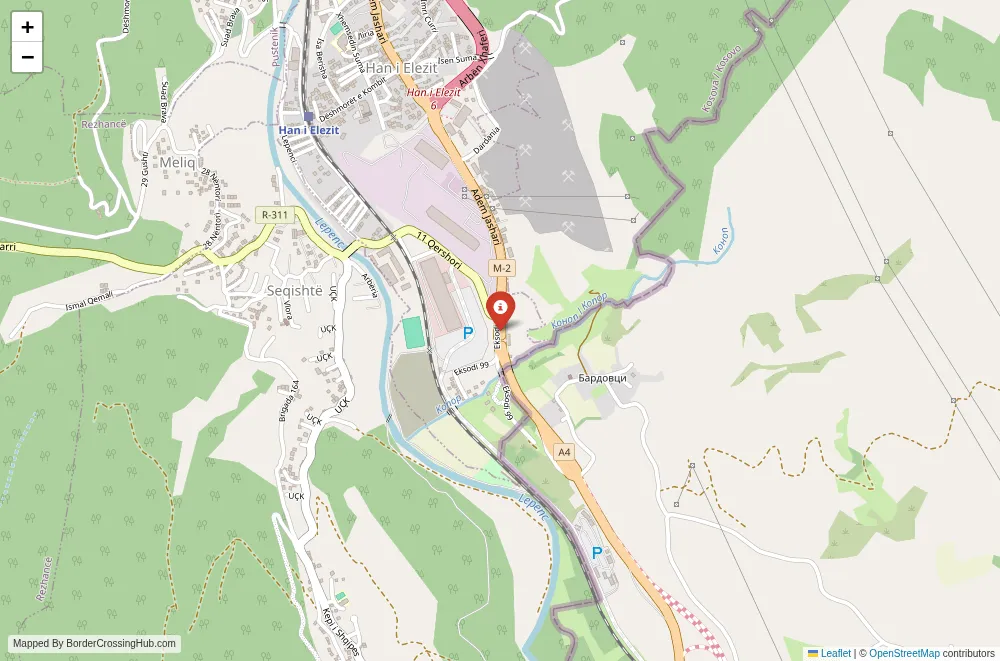
Đeneral Janković lies in southern Serbia's Pčinja District, immediately adjacent to the border along the Morava River valley. Dolno Blace sits across in North Macedonia's northeastern region, near the town of Tabanovce and the A1 highway. The crossing connects Serbia's A1 motorway (E-75) directly to North Macedonia's A1, forming a seamless continuation of the European E-75 route from Belgrade through Skopje to Thessaloniki. It handles passenger vehicles, long-distance buses, trucks, and limited pedestrian traffic in a flat valley landscape of agricultural fields, small towns, and distant mountain ridges.
Historical Background
The border follows the post-World War I settlement that assigned the Preševo Valley to the Kingdom of Serbs, Croats, and Slovenes (later Yugoslavia), while the Kumanovo region remained in the Kingdom of Serbs, Croats, and Slovenes as well. The area saw ethnic Albanian communities divided by the line, with tensions rising during the 2001 armed conflict in Macedonia when NLA insurgents operated near the frontier. The crossing remained open during the conflict but with heavy security. Post-2001 stabilization and North Macedonia's independence from Yugoslavia in 1991 turned it into a key economic corridor. In the 2010s, both countries upgraded facilities under EU pre-accession programs, adding joint border posts and improved lanes to reduce delays. The crossing carries significance for the Albanian minority that straddles the line, with many families maintaining ties across the frontier.
Nearby Border Crossings


Current Operating Status
As of early 2026, the crossing operates daily from 00:00 to 24:00, 24 hours a day. Both sides maintain full immigration, customs, and quarantine facilities. Serbia offers visa-free entry for many nationalities (90 days for most); North Macedonia provides visa-free entry or visa-on-arrival for eligible travelers (often 90 days). The post processes heavy daily traffic, including long-haul trucks, buses, and private cars, though volumes have fluctuated with regional economic conditions. No major closures reported recently, though peak holiday periods cause extended processing. Confirm real-time status via official border service websites or apps.
Practical Crossing Procedures
You cross by vehicle (private car, bus, or truck) or on foot (limited). From Serbia at Đeneral Janković, complete exit formalities at the modern Serbian terminal for passport stamps and checks. Proceed across the short bridge or road segment to Dolno Blace in North Macedonia for entry. North Macedonia requires document review, questions about purpose or accommodation, and possible luggage or vehicle inspections. Bring passport photos, cash for any minor fees, proof of funds, and onward travel details. The process typically takes 30 to 90 minutes for passenger vehicles, longer for trucks due to customs. Facilities are modern on both sides, with e-channels and separate lanes for different vehicle types.
Wait Times and Peak Periods
Weekday daytime waits typically range from 15-60 minutes for cars. Weekends, public holidays (Serbian Orthodox Christmas/Easter, North Macedonian holidays), and summer tourist seasons push times to 1-3 hours. Truck queues can stretch several kilometers during peak freight periods. Early morning or late-night crossings offer shorter waits. Electronic systems and joint controls have reduced average times significantly since the 2010s.
Transportation Options
Buses and minibuses run frequently from Belgrade, Niš, or Vranje to Skopje via this crossing. Private vehicles cross with valid insurance and permits. Long-haul trucks use dedicated lanes. No direct rail crosses here; the nearest rail link is farther east. On the North Macedonian side, buses connect to Kumanovo or Skopje. Arrange coach tickets online or at stations for reliability.
Scams & Warnings
Scam attempts are rare at this well-policed post, but watch for informal offers of "fast lane" help or poor-rate currency exchange; use official counters. Petty overcharges for transport occur occasionally. The area feels low-risk during open hours, with no major crime noted. Both countries maintain standard security; expect routine checks. Standard border caution applies. Stick to marked zones and avoid unofficial deals.
Road Conditions and Scenery
Serbia's approach features paved A1 highway through open valleys and small towns. The border zone includes modern posts amid agricultural plains. North Macedonia's side starts with paved A1 continuation, surrounded by similar fields and distant Šar Mountain views. Scenery includes fertile Morava valley, rolling hills, and seasonal crops. Dry season keeps roads clear; wet periods add minor hazards.
Seasonal Variations and Weather Impacts
Dry season (May-September) offers best conditions. Wet autumn and spring can worsen minor potholes. Winter snow affects roads, though the crossing rarely closes. Traffic remains steady year-round.
Nearby Attractions
Kybartai offers small-town Serbian life and nearby Preševo valley. In North Macedonia, Kumanovo features the Zebrnjak fortress and local markets. The area suits those interested in rural exploration or quiet border travel over major tourism.
Cultural and Economic Role
Local trade in goods and essentials sustains the crossing, supporting communities on both sides. It enables family ties and commerce across the frontier. The post reinforces practical links in this historic region, though traffic remains modest.
Final Planning Tips
Arrive early with cash (USD or local currencies), printed documents, and offline maps. Prepare for basic facilities and possible winter delays. Check status ahead via embassies or forums. With preparation, you manage formalities and experience this rural crossing.
Wrapping Up the Crossing
Globočica-Jažince keeps things simple and rural between Serbia and North Macedonia. Time your visit thoughtfully, handle the essentials, and it offers a peaceful passage through southeastern countryside. Safe travels.
View all border crossings between Serbia and North MacedoniaPractical information
Fuel
Serbia: 2 km - North Macedonia: 2 km
Currency
RSD; MKD; EUR common; exchange nearby
Safety information
Congestion likely; checks can be slow
Connectivity
Wi-Fi points; 4G
Have you crossed here?
Help other travelers by sharing your experience, wait times, and any updates.