Monthly Update (September 2026):
Čadca & Žilina Border Crossing remains an active Czech-Slovakia regional route with no significant September border closure identified. The more notable issue is road maintenance around the northern Slovakia transport corridor, where works can slow approaches toward Čadca and the Czech border. Travelers should therefore allow some flexibility for road traffic rather than expecting a border-related delay.
About this crossing
Historical and Geopolitical Context
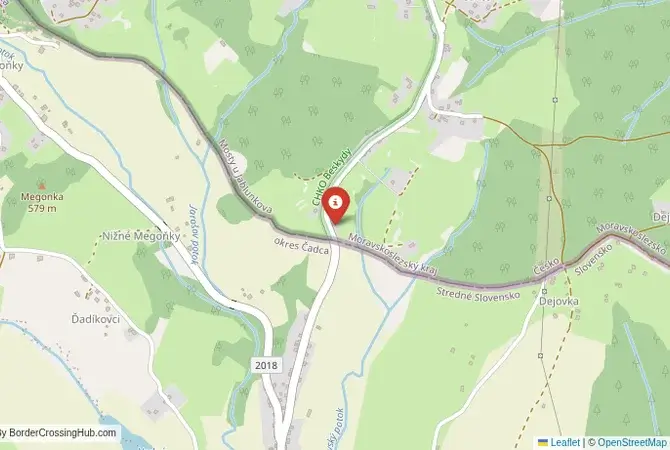
The border emerged from the 1993 Velvet Divorce, which peacefully split Czechoslovakia into the Czech Republic and Slovakia, placing Čadca and Žilina in Slovakia but near the Czech border. Historically, this area was part of the Duchy of Teschen, with fluid cultural ties until the 1920s border disputes. During the Cold War, trade here was tightly controlled, though less militarized than other Iron Curtain borders. Today, the crossing supports daily commuters, primarily in agriculture, tourism, and manufacturing. Schengen agreements since 2004 minimize controls. Verify border status to avoid unexpected delays, especially during peak seasons.
Crossing Procedures and Wait Times
No passport checks are required for Schengen nationals, but carry a valid ID, as Slovak police may conduct random checks on buses, trains, or rural roads, particularly during morning commutes. Non-Schengen travelers need a passport or visa. Customs inspections focus on alcohol (1L spirits) or tobacco (200 cigarettes), with Slovak officers vigilant for tax evasion. Pedestrians and cyclists cross in 5-10 minutes via footpaths or side roads, while vehicles wait 10-20 minutes during peak hours (7-9 AM, 4-6 PM). The border operates 24/7, with delays up to 30 minutes during summer tourist peaks (July-August) or Žilina’s folk festivals like Staromestské dni. Early mornings or midweek travel help avoid congestion.
Nearby Border Crossings


Routes and Transportation
From Čadca, Arriva buses or ZSSK trains (20 minutes, €2-€4) reach Žilina’s main station. By car, the D3/E75 highway crosses in 15 minutes (10km), offering clear signage. Cyclists can follow the Kysuce Cycle Route, a 25km path winding through pine forests and along the Kysuca River. From Žilina, trains connect to Bratislava (2 hours, €10-€15), and buses reach Poprad (2 hours, €8) or Košice (3 hours, €12). Roads are well-maintained, with Beskid hills and wooden churches as scenic highlights. Winter snow or ice may slow rural routes, so stick to main highways. Avoid unofficial taxis at Čadca station, as travelers report overcharges up to €40 for short trips to Žilina or nearby villages.
Scams & Warnings
Always carry ID for spot checks, especially on cross-border buses or trains. Žilina’s border shops advertise “deals” on local wines, cheeses, or souvenirs, but prices are often inflated for tourists; compare at Čadca’s weekly markets for better value. Use ATMs in Čadca or Žilina for EUR to avoid poor exchange rates at roadside kiosks. Pickpocketing is rare but reported at Žilina’s train station during festivals like the Žilina Cultural Summer. Some travelers have encountered fake “tour guides” charging €15 for hiking or castle tours; stick to official tourist offices. Declare goods when crossing to avoid fines up to €150 for undeclared items.
Cultural and Economic Significance
The region supports daily commuters, thriving on agriculture, tourism, and small-scale manufacturing. Slovak and Czech dialects blend seamlessly, with bilingual menus in cafes and restaurants. Čadca’s markets sell bryndza cheese and korbáčiky (string cheese), while Žilina’s offer kofola and traditional dumplings. The Beskydy Festival unites both sides with folk music, dance, and artisanal crafts. Economic differences drive cross-border shopping, with locals favoring Žilina’s larger stores for clothing, electronics, and household goods, boosting the regional economy.
Nearby Attractions
Čadca’s Kysuce Museum showcases regional history, and nearby Velká Rača offers hiking and ski slopes. Žilina’s Budatín Castle and historic Mariánske Square are must-sees. For a detour, Rajecké Teplice (30 minutes) boasts thermal spas and wellness retreats. Visit Žilina’s local markets for honey and jams or Čadca’s cozy cafes for hearty Slovak soups like kapustnica.
Seasonal and Weather Considerations
Summer (June-August) brings 20-25°C weather, perfect for cycling or hiking, but crowds peak during Žilina’s festivals. Winter (December-February) sees -5-5°C and heavy snow, slowing rural roads and cycle paths. Spring and fall offer mild 10-15°C weather, though rain or Beskid fog may reduce visibility. Check forecasts before traveling to plan around weather disruptions.
Planning Recommendations
Cross early to avoid peak-hour delays and carry EUR for convenience. Book bus or train tickets via ZSSK or Arriva apps for discounts, and check schedules for real-time updates. Verify border status for customs patrols, especially during holidays or festivals. Visit Žilina’s tourist office for hiking maps, ski passes, or event schedules. Pack rain gear for spring or snow boots for winter to handle the Beskids’ unpredictable weather. With preparation, this crossing connects you to the Carpathian foothills’ scenic and cultural allure seamlessly.
View all border crossings between Czech Republic and SlovakiaPractical information
Fuel
Czech Republic: <1 km - Slovakia: <1 km
Currency
Near Čadca (CZK, EUR)
Safety information
Safe, countryside zone
Connectivity
Wi-Fi nearby, 4G
Have you crossed here?
Help other travelers by sharing your experience, wait times, and any updates.