Monthly Update (October 2026):
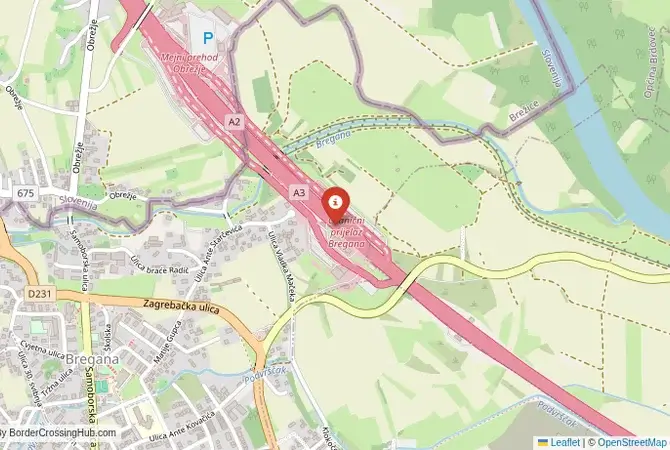
The Bregana & Obrežje Border Crossing continues to be the main motorway gateway between Croatia and Slovenia, with no new October border-control regime reported between the two Schengen countries. The route can still become busy because it carries a large share of traffic between Zagreb and Slovenia, particularly when motorway traffic concentrates around the Ljubljana-Zagreb corridor. For October travelers, the border itself is less of a concern than keeping an eye on traffic conditions along the A3/A2 approaches.
About this crossing
Historical and Geopolitical Context
The border was established after Yugoslavia’s dissolution in 1991, placing Bregana in Croatia and Obrežje in Slovenia. During the 1990s Yugoslav Wars, this crossing saw limited traffic due to regional instability, with occasional skirmishes nearby. Slovenia joined the Schengen Area in 2007, followed by Croatia in 2023, easing controls significantly. However, Slovenia maintains temporary checks due to migration concerns, affecting wait times. The crossing supports daily commuters, driven by tourism, trade, and agriculture. Verify border status to avoid unexpected delays, especially during peak seasons.
Crossing Procedures and Wait Times
No passport checks are required for Schengen nationals, but carry a valid ID, as Slovenian police may conduct random checks on the A2/A3 highways, buses, or trains, particularly during peak hours. Non-Schengen travelers need a passport or visa. Customs inspections focus on alcohol (1L spirits) or tobacco (200 cigarettes), with Croatian officers vigilant for tax evasion. Pedestrians and cyclists cross in 5-10 minutes via side paths or footbridges, while vehicles wait 15-45 minutes during peak times (7-9 AM, 4-6 PM). The border operates 24/7, with delays up to 45 minutes during summer tourist peaks (July-August) or holidays like Croatia’s Statehood Day. Check Croatian Automobile Club traffic updates for real-time wait times. Early crossings or midweek travel reduce congestion.
Nearby Border Crossings
Routes and Transportation
From Bregana, HAK buses or trains via Samobor (20 minutes, €3-€5) reach Obrežje. By car, the A3/E70 highway crosses in 10 minutes (5km), with clear signage. Cyclists can follow the EuroVelo 8 route, a 25km path winding through vineyards and rural villages. From Obrežje, trains connect to Ljubljana (1 hour, €8-€12), and buses reach Zagreb (30 minutes, €5) or Maribor (1.5 hours, €10). The A3 links to Croatia’s Adriatic coast, while Slovenia’s A2 leads to the Alps. Roads are well-paved, offering scenic hill views. Summer traffic or winter snow may slow rural routes, so check conditions. Avoid unofficial taxis at Bregana’s bus stop, as travelers report €40 overcharges for short trips to Obrežje.
Scams & Warnings
Always carry ID for spot checks, especially on buses or highways. Obrežje’s shops advertise deals on Slovenian wines, ceramics, or souvenirs, but prices may be inflated for tourists; compare at Bregana’s local markets for better value. Use ATMs in Bregana or Obrežje for EUR to avoid poor exchange rates at roadside kiosks. Pickpocketing is rare but reported at Bregana’s bus stop during summer festivals like Zagreb’s Animafest. Some travelers have encountered fake customs helpers charging €15 for paperwork; deal only with official personnel. Declare goods when crossing to avoid fines up to €150 for undeclared items. Check Croatian Automobile Club traffic updates for road conditions.
Cultural and Economic Significance
With daily crossings, the region thrives on tourism, trade, and agriculture. Croatian and Slovenian languages blend seamlessly, with bilingual menus in cafes and restaurants. Bregana’s markets sell olive oil, rakija, and pršut, while Obrežje’s offer Slovenian potica, honey, and local cheeses. The Zagreb-Ljubljana Festival unites both sides with music, dance, and artisanal crafts. Economic differences fuel cross-border shopping, with Croatians favoring Obrežje’s cheaper electronics and Slovenians visiting Bregana for affordable produce, boosting local economies on both sides.
Nearby Attractions
Bregana’s nearby Samobor Old Town boasts Gothic churches and kremšnita cakes, a local delicacy. Obrežje’s Brežice Castle and Posavje Museum showcase Slovenian history and art. For a detour, Zagreb (30 minutes) offers vibrant markets and the Museum of Broken Relationships, while Ljubljana (1 hour) charms with its medieval castle and Ljubljanica River. Visit Bregana’s cozy cafes for Croatian coffee or Obrežje’s traditional taverns for Slovenian stews and struklji.
Seasonal and Weather Considerations
Summer (June-August) brings 20-30°C weather, perfect for cycling or hiking, but crowds peak during Croatian coastal holidays or Ljubljana’s festivals. Winter (December-February) sees -5-5°C and occasional snow, slowing rural roads or cycle paths. Spring and fall offer mild 10-20°C weather, though rain or fog may reduce visibility, especially in hilly areas. Check forecasts for sudden weather changes, particularly in winter, to plan your trip effectively.
Planning Recommendations
Cross early to avoid peak-hour delays and carry EUR for convenience. Book bus or train tickets via HAK or Slovenian Railways apps for discounts, and check schedules for real-time updates. Verify border status for temporary controls or customs patrols, especially during holidays or summer peaks. Visit Bregana’s tourist office for cycling maps, festival schedules, or hiking guides. Pack rain gear for spring or snow boots for winter to handle the region’s unpredictable weather. With preparation, this crossing connects you to the Zagreb-Ljubljana region’s cultural and scenic allure seamlessly.
View all border crossings between Croatia and SloveniaPractical information
Fuel
Croatia: 300 m - Slovenia: 300 m
Currency
Near Bregana (EUR)
Safety information
Busy traffic flow
Connectivity
Wi-Fi at posts, 4G/5G
Have you crossed here?
Help other travelers by sharing your experience, wait times, and any updates.