
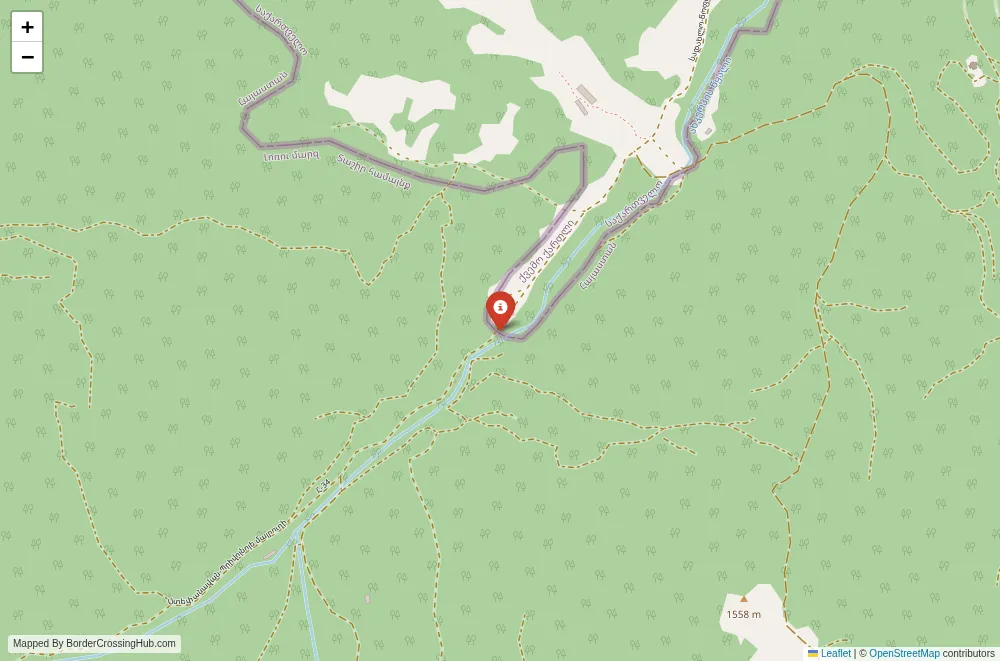
Approximate Border Location
Wait Times
Cars 20-90m; peaks 120-360m
Just crossed? Tap to report:
Operating Hours
Open 24 hrs (12:00 AM-11:59 PM)
Crossing Types
Ped,cars,buses; border controls
Border Type
Land crossing via rural road
Peak Times
Morning 07:00-11:00 AM; weekends
Daily Crossings
1,000-6,000/day
Currency Exchange
AMD; GEL in Tbilisi/Vanadzor; ATMs
Safety Information
Rural roads; delays possible at checks
Languages Spoken
Georgian/Armenian
Accessibility Features
Basic step-free; uneven surfaces
About Boyuk–Kesik & Gardabani
Monthly Update (March 2026):
As of 03/2026, the Boyuk–Kesik & Gardabani Border Crossing stays active with a steady mix of trucks and passenger vehicles. Freight traffic often gathers on the Azerbaijani side before clearing in waves. Passenger cars usually pass quicker once inspections move along. Trade flows and logistics schedules influence how busy it feels.
No Cell Service at the Border? No Problem.
Don’t get caught scrambling for paperwork when you lose signal. Download the complete Asia Transit Guide directly to your device and access every critical detail, fast-track strategy, and border rule – 100% offline.
The Boyuk Kesik-Gardabani border crossing functions primarily as the main rail link between Azerbaijan and Georgia, carrying freight and occasional passenger trains along the historic Baku-Tbilisi route in the Caucasus region.
Current Status and Safety Note
Azerbaijan’s land borders, including those with Georgia, have remained closed to entry for foreign travelers since the 2020 COVID measures, with extensions continuing into 2026. While the rail crossing handles cargo efficiently for the Baku-Tbilisi-Kars corridor and related trade, passenger crossings (by train or on foot) face severe restrictions. You cannot reliably enter Azerbaijan via this point as a foreign visitor; outbound from Azerbaijan might work in limited cases, but entry stays blocked. No widespread safety risks beyond standard border protocols exist when open for allowed traffic, but isolation and limited services apply. Always consult official sources: Azerbaijan’s State Customs Committee, Border Service, or embassies from both countries for the latest on any changes. Recent reports show no reopening for tourists.
Alternative Names
It appears as Boyuk Kesik (or Böyük Kəsik) on the Azerbaijani side, Gardabani on the Georgian side, or sometimes Boyuk Kasik/Gardabani rail checkpoint. Rail-focused references call it the Boyuk Kesik-Gardabani railway crossing.
Location and Connections
Boyuk Kesik sits in Azerbaijan’s Agstafa District, near the border in a flat steppe area. Gardabani lies in Georgia’s Kvemo Kartli region, close to the town of the same name. The crossing ties into the main rail line from Baku through Ganja to Tbilisi and onward to Kars in Turkey via the Baku-Tbilisi-Kars railway. It supports the Middle Corridor trade route linking Europe, the Caspian, and Asia. Road access nearby exists but doesn’t feature a dedicated passenger car crossing here; the nearest road points are Red Bridge or others farther west/east.
Historical Background
The border line emerged after the Soviet breakup, building on earlier divisions in the South Caucasus. This rail point gained importance with the 2017 launch of the Baku-Tbilisi-Kars line, which revived and upgraded the Soviet-era connection for modern freight. Boyuk Kesik served as a key handover spot during the Soviet period for trains between Baku and Tbilisi. Post-independence, it stayed operational for rail even as road borders developed separately. Geopolitically, it underscores Azerbaijan-Georgia ties in energy and trade, bypassing Armenia and supporting regional connectivity projects amid ongoing tensions elsewhere in the Caucasus.
Practical Crossing Procedures
Primarily rail-based. For passenger trains (when historically running, like the old Tbilisi-Baku service), you stay aboard during checks: Georgian exit at Gardabani, then Azerbaijani entry at Boyuk Kesik after a short move. Procedures involve passport collection by conductors, stamps processed on the train, and basic inspections. No walking across occurs; it’s vehicle/train only. Visa rules: Georgia offers visa-free or e-visa for most; Azerbaijan requires e-visa or visa in advance, but land entry remains restricted regardless. Freight dominates now, with customs handling declarations for cargo. Passenger use has been minimal or halted in recent years due to restrictions.
Wait Times and Operating Hours
Rail operations run according to schedules, not fixed hours like road points. Border checks historically took about an hour per side (total 2 hours), with trains pausing for processing. Freight moves continuously, but passenger services face indefinite pauses. No queues for individuals since traffic is low or nonexistent for tourists. Cargo timelines aim for quick transit (e.g., 24 hours on related segments under recent agreements), but that applies to goods.
Transportation Options
The crossing ties directly to the Baku-Tbilisi rail line; trains (when passenger service existed) took 10-15 hours total between capitals. Freight trains carry containers and bulk goods. No regular buses or shared taxis serve here due to the rail focus and restrictions. Road access requires detouring to other crossings like Red Bridge (Tsiteli Khidi) for cars. The area features flat, open terrain with decent rail infrastructure but sparse local transport.
Scams and Warnings
With passenger traffic near zero, scams stay rare. In the past, train-based crossings saw few issues beyond standard overcharges if using unofficial taxis nearby. Current restrictions mean attempting entry could lead to denial or complications; don’t rely on outdated info promising easy rail access. Remote location adds risks like limited help if stuck. Stick to official channels and avoid unofficial arrangements.
Nearby Attractions
Gardabani on the Georgian side has a small town feel with local markets and proximity to Rustavi’s industrial area or Tbilisi (about 50 km). Boyuk Kesik/Aghstafa district in Azerbaijan offers quiet steppe views, nearby Ganja (historic city with mosques and parks), or the Shamkir region for wineries and nature. The rail route itself passes scenic Caucasus foothills.
Seasonal Variations and Weather Impacts
Flat terrain means few weather closures, but winter snow or fog can delay rail schedules. Summer heat affects freight handling. Trade volumes peak with seasonal cargo, but passenger irrelevance overrides most variations.
Cultural and Economic Significance
As the sole rail crossing, it plays a crucial role in the Middle Corridor, moving goods between Europe and Asia via Azerbaijan, Georgia, and Turkey. It supports billions in annual trade, energy transit, and connectivity projects. Culturally, it links Azerbaijani and Georgian communities in border regions with shared histories from Soviet times.
Planning Recommendations
Monitor Azerbaijan’s border status closely via government sites or Caravanistan forums; flying into Baku remains the reliable option. If rail freight interests you, check operator updates. Carry all docs (passport, visa if needed, insurance for any vehicle detour). Prepare for potential denials and have backup plans like air travel between Tbilisi and Baku.
Closing Note on Boyuk Kesik-Gardabani
This rail-focused crossing delivers essential trade connectivity in a region full of geopolitical layers, but passenger use stays limited by ongoing restrictions. It suits logistics followers more than casual travelers right now. Track official announcements and opt for air if heading between the countries. Safe travels when feasible.
No reviews yet.