Monthly Update (September 2026):
Bouzouta and Sipilou remains a remote Côte d'Ivoire-Guinea frontier route with no significant September closure identified. The wider western Côte d'Ivoire border region is more sensitive than the main coastal corridors, and current guidance advises avoiding non-essential travel in areas near the Liberian border because of insecurity and recurrent inter-community conflicts. There is no specific September incident at Bouzouta to report, but travelers using this remote route should verify local road and security conditions before departure.
About this crossing
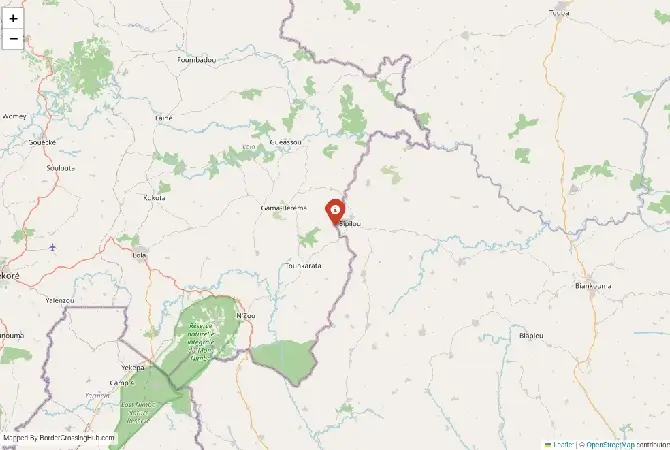
Sipilou sits on the Ivorian side as a cosmopolitan border town less than three kilometers from the actual crossing. Bouzouta lies on the Guinean side in a rural area. The posts stand close together with a short no-man's-land section. From Man in Ivory Coast, shared transport reaches Sipilou in a few hours along winding roads. Once across, onward travel from Bouzouta heads into Guinea's forested regions. The landscape features green hills, cocoa plantations, and dense vegetation that grows thicker on the Guinean side.
Historical Background
This border area has seen occasional disputes over exact demarcation since independence. Villages near Sipilou, including Kpeaba ## About 15 kilometers from the line, faced temporary occupations by Guinean soldiers in past years, leading to tensions that both governments worked to resolve peacefully.
Nearby Border Crossings




The zone forms part of traditional movement corridors for local communities, especially among ethnic groups living on both sides. Cocoa trade has long dominated economic activity, with significant volumes moving informally across the frontier. Past health crises like Ebola led to temporary closures of the Sipilou crossing along with others. Recent joint efforts include technical commissions working on clearer border marking to reduce future conflicts.
Crossing Procedures
You handle exit formalities on the departure side before entry on the arrival side. From Ivory Coast to Guinea, clear Ivorian immigration and customs at Sipilou, cross the short zone, then complete Guinean procedures near Bouzouta. The steps reverse when going the other way.
Foreign visitors need a valid passport. Visa rules depend on nationality. Many ECOWAS citizens benefit from simplified movement, while others require visas in advance or may qualify for on-arrival options at some posts. Officials check yellow fever vaccination proof on both sides. Expect passport stamps, possible bag or vehicle inspections, and questions ## About your travel. Have small amounts of CFA francs ready for any minor official fees and ask for receipts if demands arise.
The current setup uses separate basic facilities. Keep documents organized to move through the steps.
Wait Times and Seasonal Factors
The full process typically takes 30 minutes to two hours, though it can stretch longer during busy periods or when officials handle commercial traffic. Early mornings often see quicker movement before local traders build up. Afternoons or market days add people and goods, which lengthens waits.
Rainy season from around May to October brings heavy downpours that damage roads and create mud, slowing approach vehicles and indirectly extending queues. Dry months offer more predictable flow but add heat and dust. Multiple checkpoints near Sipilou add repeated document checks. Travelers sometimes report clearing everything in under an hour when arriving prepared, while others face longer delays due to vehicle searches or paperwork.
Transportation Options
Shared taxis, minibuses, or bush taxis run from Man or Biankouma to Sipilou for reasonable fares and take a few hours. The Ivorian roads include paved sections mixed with rougher parts through the hills. On the Guinean side from Bouzouta, shared transport continues toward Lola or further destinations, often on motorcycles or older vehicles.
Motorcycle taxis frequently cover the immediate border stretch for small fees. Road conditions vary sharply: decent near Sipilou but quickly turning to dirt tracks with potholes, rocks, and steep sections once in Guinea. Many travelers combine this crossing with visits to nearby areas in Ivory Coast before heading deeper into Guinea. Independent arrangements give flexibility on this less-traveled route.
Scams & Warnings
This crossing has a reputation for unofficial payment requests and involvement in cross-border cocoa smuggling. Reports mention local officials or officers demanding extra fees for stamps, vehicle papers, or vague clearances. Touts may approach offering to speed up procedures for cash. Cocoa trafficking remains a significant issue here, with authorities sometimes accusing border staff of facilitating illegal movements.
Stick strictly to official buildings and uniformed personnel. Decline any unsolicited help around immigration areas. Money changers at the border often give poor rates; handle exchanges in Sipilou or larger towns instead. Keep valuables secure, travel in daylight when possible, and avoid displaying large amounts of cash. Travelers describe experiences with surprise fees or pressure during checks, especially involving commercial goods. Ask calmly for clarification or receipts if anything seems irregular. The area mixes legitimate trade with informal and sometimes illicit activities, so staying alert helps you avoid extra costs.
Nearby Attractions and Local Life
Sipilou functions as a lively border town with markets, basic accommodations, and services for traders and travelers. You find food stalls, small shops, and a mix of people from both countries. The surrounding hills and cocoa farms create a green, productive landscape.
Bouzouta on the Guinean side stays more rural with limited facilities focused on border traffic. Further into Guinea, the route enters forested zones with villages and opportunities for nature experiences. Most people treat the crossing as a practical link, but the local markets and daily cross-border activity offer a genuine view of life along this western frontier.
Practical Travel Tips
Prepare your documents well: passport with enough validity, yellow fever card, and any required visa or proof of onward travel. Carry small-denomination CFA francs for transport and possible fees. Dress simply and remain patient through the checks and any paperwork.
Research current road conditions before departure since rain or maintenance can change them fast. Travel during daylight hours to avoid issues on hilly or rough sections. If driving your own vehicle, confirm all papers and insurance cover both countries. Bring water and snacks because waits or breakdowns can lengthen your day.
In rainy months, allow extra time and select transport suited for mud or poor surfaces. Groups sometimes share taxis for better rates and safety. Check official sources or embassies for the latest entry rules, which can update. Confirm the status of this crossing locally, as smaller posts can see occasional restrictions.
Planning Your Crossing
The Sipilou-Bouzouta border serves as a functional western link between Ivory Coast and Guinea, used by locals for trade and travelers heading into Guinea's interior. Allocate enough time, verify visa and entry details from official channels shortly before travel, and interact directly with staff at each step.
Many cross here regularly for commerce and family visits, while overlanders use it to access different routes. Your experience depends on timing, weather, road state, and how you manage the procedures. Review conditions close to your trip date because border marking efforts or security measures can bring temporary changes. With solid preparation, you clear the formalities and continue your journey along this hilly West African corridor.
View all border crossings between Ivory Coast and GuineaPractical information
Fuel
Ivory Coast: 2 km - Guinea: 2 km
Currency
XOF,GNF limited
Safety information
Mountain route, checks
Connectivity
Roads, vans
Have you crossed here?
Help other travelers by sharing your experience, wait times, and any updates.