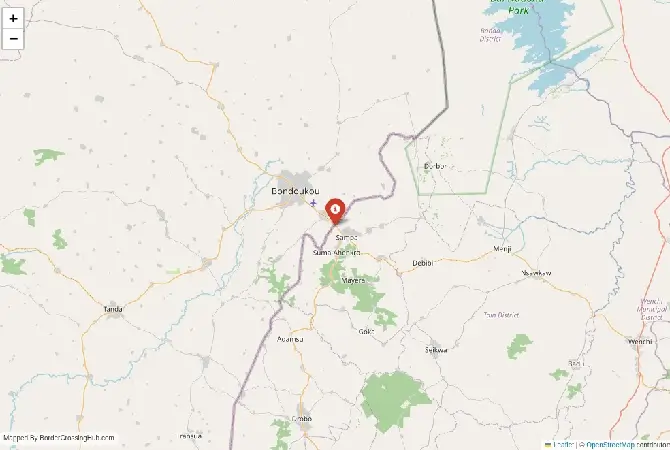
Monthly Update (September 2026):
Bondoukou and Sampa remains a regional Ghana-Côte d'Ivoire crossing with no significant September closure identified. It provides an alternative to the much busier Elubo-Noé corridor farther south and is particularly relevant to travelers moving through the northeastern Côte d'Ivoire and western Ghana. No major September border restriction has been reported. Travelers should nevertheless check the condition of the connecting roads before committing to this more remote route.
About this crossing
Sampa sits in Ghana's Bono Region as the main town on that side. Bondoukou lies just across in Côte d'Ivoire's Gontougo Region. The actual posts sit a short distance apart with a no-man's-land section in between. From central Ghana, you reach Sampa in several hours by road. Once across, Bondoukou serves as a gateway to other Ivorian destinations. The area features savanna landscapes mixed with farmland and occasional hills.
Historical Background
This border area has long supported trade between the two countries. Bondoukou historically acted as an important market town and entrepôt for goods moving across the region, including textiles and agricultural products. During periods of political instability in Côte d'Ivoire in the early 2000s, crossings like this saw reduced activity or occasional restrictions.
Nearby Border Crossings
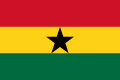
Relations between Ghana and Côte d'Ivoire remain generally stable, with joint efforts in recent years to mark the border more clearly. In early 2026, officials from both sides installed dozens of new boundary markers along key stretches to reduce disputes and improve management. The crossing supports local trade in farm goods, livestock, and everyday items carried by small traders and residents.
Current Developments
Road upgrades continue on both sides. On the Ivorian side, work on the Bondoukou-Sampa corridor forms part of a larger African Development Bank program to improve cross-border access. Phase 1 of related road projects aims for completion around March 2026, which should cut travel times significantly once finished.
Ghana has also focused on strengthening security along its borders, including recruitment of more immigration officers. No major joint border post construction like in other ECOWAS areas has started here yet, so you still use the existing separate facilities. Occasional reports mention unapproved routes nearby used for informal crossings or smuggling.
Crossing Procedures
You complete exit formalities on the departure side before entering the next country. From Ghana to Côte d'Ivoire, clear Ghanaian immigration and customs at Sampa, cross the short zone, then handle Ivorian entry at Bondoukou. Reverse the steps when going the other direction.
As a foreign visitor, carry a valid passport with sufficient blank pages. Visa requirements depend on your nationality. Many ECOWAS citizens move with simplified procedures, while others need visas in advance or may qualify for on-arrival options. Officials check yellow fever vaccination records on both sides. Expect passport stamps, possible bag inspections, and basic questions ## About your travel plans. Have small amounts of local currency or dollars ready for any minor official fees.
The process involves separate buildings on each side. Keep documents organized to avoid delays.
Wait Times and Seasonal Factors
Total crossing time usually ranges from 30 minutes to 90 minutes under normal conditions. Early morning arrivals often see shorter lines. Afternoons or days with higher trader activity can extend waits as officials handle more people and goods.
The rainy season, roughly April to October, affects road conditions and can indirectly increase processing times through slower vehicle approaches. Dry months bring dust and heat but generally steadier movement. Multiple checkpoints on roads leading to Sampa add extra time with repeated document reviews. Some travelers report spending over an hour total due to vehicle searches or paperwork. Build in buffer time, especially if you have onward connections.
Transportation Options
From Kumasi or other Ghanaian hubs, shared taxis, minibuses, or private vehicles reach Sampa in several hours. The roads include paved sections mixed with unpaved parts that have potholes in places. On the Ivorian side, shared taxis or buses depart from Bondoukou toward other towns.
Motorcycle taxis sometimes help cover the immediate border area for a small fee. Road quality varies; recent upgrades on the Ivorian Bondoukou corridor should improve conditions once complete. Many travelers combine this crossing with routes toward Abidjan or northern Ivorian destinations. Independent travel gives flexibility, though some opt for arranged rides that cover the full segment.
Scams & Warnings
This crossing sees occasional requests for unofficial payments, particularly at checkpoints or from individuals offering assistance. Touts may approach you claiming to speed up procedures for a fee or directing you to unofficial money changers. Reports from West African borders in general mention pressure on locals or traders carrying goods, while foreign visitors sometimes face extra scrutiny or demands.
Stick strictly to official immigration and customs buildings and uniformed officers. Decline any unsolicited help near the border zone. Money changers at the posts often give unfavorable rates; handle exchanges in larger towns like Sampa or Bondoukou instead. Keep valuables secure and avoid displaying large amounts of cash. Travelers have described experiences with surprise fees for stamps or papers; ask calmly for clarification or receipts if anything seems irregular.
The area mixes regular local trade with some informal activity, so clear awareness helps you pass without extra costs or lost time. Recent Ghanaian efforts to boost border security aim to reduce such issues.
Nearby Attractions and Local Life
Sampa functions as a lively border town with markets, basic accommodations, and services catering to traders and travelers. You find food spots and small shops where people gather. Bondoukou on the Ivorian side has a rich history as a former trading center with a central market known for local textiles and goods.
The surrounding region offers savanna scenery and rural communities. Bondoukou itself draws some visitors for its cultural sites and weekly markets. Most people treat the crossing as a transit point rather than a destination, but the local atmosphere provides a genuine look at cross-border life.
Practical Travel Tips
Prepare your documents well in advance: passport, yellow fever card, and any required visa or proof of onward travel. Carry small-denomination Ghanaian cedis or CFA francs for transport and possible fees. Dress simply and remain patient through the various checks.
Research current road conditions before departure, as weather or maintenance work can change them quickly. Travel during daylight hours to avoid issues on poorer sections. If driving your own vehicle, confirm all necessary papers and insurance cover both countries. Bring water and snacks, since waits or vehicle issues can stretch your day.
In rainy periods, allow extra time and select transport suited for potential mud or poor surfaces. Groups sometimes share taxis to reduce costs and increase safety. Check official embassy or government sources for the latest entry rules, which can update.
Planning Your Crossing
The Sampa-Bondoukou border serves as a practical northern link between Ghana and Côte d'Ivoire, with ongoing road improvements expected to ease movement. Allocate sufficient time, verify current visa and entry details from official channels shortly before you travel, and deal directly with staff at each step.
Many locals and traders cross regularly for commerce and family visits. Your own experience depends on timing, road state, and how you manage the procedures. Review conditions close to your trip date because security measures or construction can introduce temporary changes. With solid preparation, you clear the formalities and continue your journey along West African overland routes.
(Word count: 1004)
View all border crossings between Ghana and Ivory CoastPractical information
Fuel
Ghana: <1 km - Ivory Coast: <1 km
Currency
GHS,XOF exchangers
Safety information
Moderate checks
Connectivity
Roads,buses
Have you crossed here?
Help other travelers by sharing your experience, wait times, and any updates.