
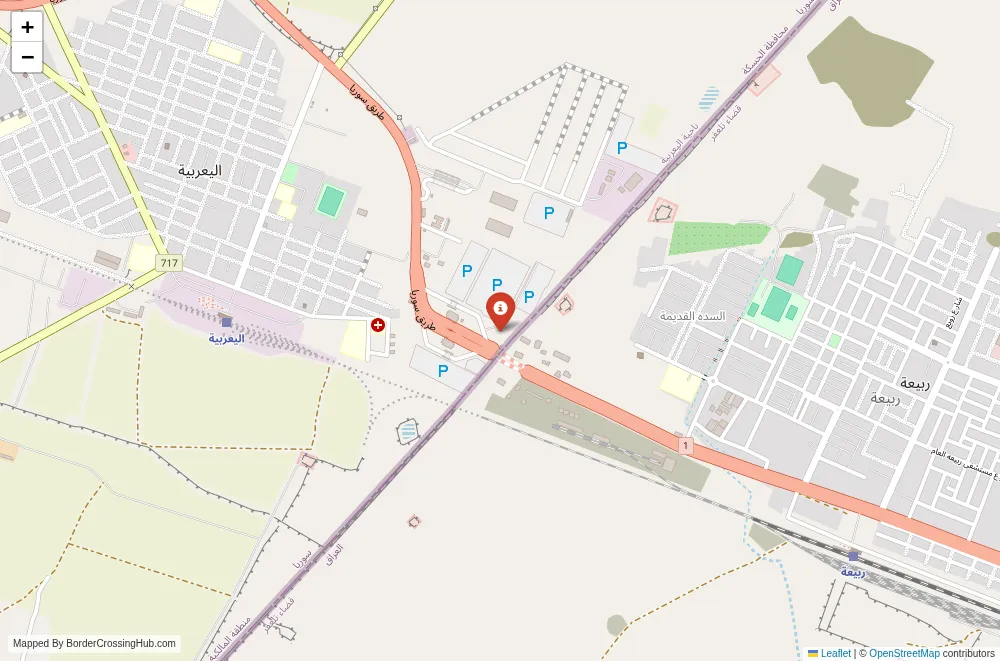
Approximate Border Location
Wait Times
Closed/very limited; delays 240-720m if open
Just crossed? Tap to report:
Operating Hours
Hours variable; restricted crossing
Crossing Types
Ped,cars by permit; controls
Border Type
Land crossing via road checkpoint
Peak Times
N/A; restricted route
Daily Crossings
0-200/day
Currency Exchange
IQD; SYP; USD common; exch scarce
Safety Information
High security; restrictions likely
Languages Spoken
Arabic
Accessibility Features
Minimal; uneven approaches
About Bolashak & Serkhetyaka
Monthly Update (March 2026):
As of 03/2026, the Bolashak & Serkhetyaka Border Crossing runs on a freight-driven rhythm. Long freight trains and trucks pass through the corridor linking Kazakhstan and Turkmenistan, often in scheduled batches. Passenger traffic is minimal. Logistics schedules and cargo demand shape the pace of the crossing.
No Cell Service at the Border? No Problem.
Don’t get caught scrambling for paperwork when you lose signal. Download the complete Asia Transit Guide directly to your device and access every critical detail, fast-track strategy, and border rule – 100% offline.
The Bolashak-Serkhetyaka border crossing serves as the primary rail link between Kazakhstan and Turkmenistan, connecting the Kazakh station of Bolashak in Mangystau region directly to Serkhetyaka station on the Turkmen side in Balkan province. Also referred to as Bolashak-Serhetyaka or simply the Bolashak rail point, this facility focuses almost entirely on freight, forming a key segment in broader rail corridors toward Iran, Afghanistan, and the Persian Gulf. Foreign travelers rarely use it for personal passage since it handles trains rather than pedestrian or vehicle traffic.
Location and Connections
You find this crossing in a remote desert area on the Mangyshlak Peninsula near the Caspian Sea, part of the Ustyurt Plateau’s edge. Bolashak station lies south of Zhanaozen in western Kazakhstan, while Serkhetyaka sits across the line in Turkmenistan, linking onward to Bereket, Ashgabat, and eventually Mary or Serkhetabad. The rail route forms part of the 1,700 km Aktau-Uzen-Bolashak-Serkhetyaka-Bereket-Ashgabat-Mary-Serkhetabad corridor, with extensions planned toward Turgundi in Afghanistan. No road crossing exists here; the nearby Temir-Baba/Garabogaz point handles vehicles farther west.
Historical and Geopolitical Background
Opened on May 11, 2013, by the presidents of Kazakhstan and Turkmenistan, this rail link bypassed Uzbekistan and shortened routes for Caspian-region goods to southern markets. Built as part of the Kazakhstan-Turkmenistan-Iran railway project, it aimed to boost trade in oil, minerals, and transit cargo. The 148 km segment from Uzen to Etrek via Bolashak-Serkhetyaka cut delivery times significantly. It ties into the North-South International Transport Corridor, connecting Russia through Kazakhstan to Iran and beyond. Freight volumes grew steadily, with over 400,000 tons moved early on, though interruptions occurred from technical issues or bilateral agreements. In early 2025, operations resumed after a temporary halt, and by late 2025, Kazakhstan handled around 1.6 million tons annually through the point. Fun fact: the line supports container trains carrying Indian goods to Kazakhstan via Iran-Turkmenistan routes, showcasing shifting Eurasian trade patterns.
Current Status and Operating Hours
As of early 2026, the crossing functions for rail freight under Kazakhstan Temir Zholy (KTZ) and Turkmen Railways coordination. It sees periodic restrictions, like a 10-day limit on certain shipments in late 2025 due to capacity or maintenance. No fixed public hours apply since it’s freight-only; trains pass based on schedules, often 24/7 for operational trains but with customs processing during business periods. Seasonal factors include extreme summer heat delaying operations and winter sandstorms or rare snow affecting tracks in this arid zone. Capacity runs 8-10 million tons yearly, though actual use stays lower. Verify status via official railway sites or embassies, as diplomatic tweaks can pause flows.
Crossing Procedures Step by Step
Procedures target rail cargo crews and operators rather than individual travelers. For freight trains from Kazakhstan to Turkmenistan: Kazakh customs and immigration at Bolashak inspect documents, seals, and manifests. The train crosses to Serkhetyaka for Turkmen checks, including gauge changes if needed (both use 1520 mm Soviet standard), cargo verification, and stamps. Reverse direction follows similar steps. Passenger services don’t run here; attempts to board freight trains fail due to strict rules. Wait times for trains vary from hours to days depending on inspections, paperwork, or queues. Security remains tight given the strategic route.
Visa Requirements for Foreign Visitors
This point doesn’t support tourist entry or exit. Kazakhstan and Turkmenistan both require visas for most foreign nationalities, arranged in advance through embassies (Turkmenistan often demands letters of invitation and strict approvals). No visa-on-arrival exists at rail points like this. Crews use special transit arrangements, but ordinary travelers can’t cross on foot or by vehicle. If planning regional travel, use road crossings like Temir-Baba for personal movement, though even those carry heavy restrictions. Always confirm current rules with embassies, as Turkmenistan maintains tight controls.
Transportation Options and Road Details
No passenger transport crosses here; the rail line carries freight trains exclusively. To reach nearby areas, travel by road to Zhanaozen or Aktau in Kazakhstan (paved highways with long desert stretches), or to Turkmenbashi in Turkmenistan. Rail enthusiasts or logistics professionals sometimes observe from stations, but access stays limited. Roads around Bolashak remain basic, dusty, and remote, with few services. For broader travel, fly into Aktau then bus south, but expect no direct link to the crossing itself.
Scams and Safety Warnings
Freight-focused crossings like this see minimal tourist scams, but unauthorized attempts to hitch rides on trains lead to detentions or fines. Remote desert location means risks from heat exhaustion, poor roads, or getting stranded without transport. Turkmenistan enforces strict rules on photography near borders, with potential arrests for violations. Security concerns include occasional cargo theft or disputes over transit fees. Foreigners face extra scrutiny; avoid unofficial approaches. Monitor news for temporary closures due to technical, diplomatic, or capacity issues. The area isn’t suited for casual visits.
Nearby Attractions and Practical Tips
Western Kazakhstan offers Caspian shores near Aktau, with beaches, underground mosques like Shakpak Ata, and dinosaur footprints at Mangyshlak. In Turkmenistan, nearby routes lead to the Garabogazköl lagoon or onward to Ashgabat’s white-marble architecture. Carry plenty of water, fuel, and cash (USD preferred for emergencies), as facilities stay sparse. Prepare for extreme temperatures and have satellite communication if venturing remote. For rail watchers, contact KTZ for any permitted visits.
Final Notes for Planning
Bolashak-Serkhetyaka remains a freight powerhouse in Central Asian rail networks, not a traveler crossing. If your interest lies in logistics or trade routes, it offers insight into growing corridors, but personal overland travel requires other points. Check railway authorities for updates and prioritize safer alternatives. Safe journeys wherever your path leads.
No reviews yet.