
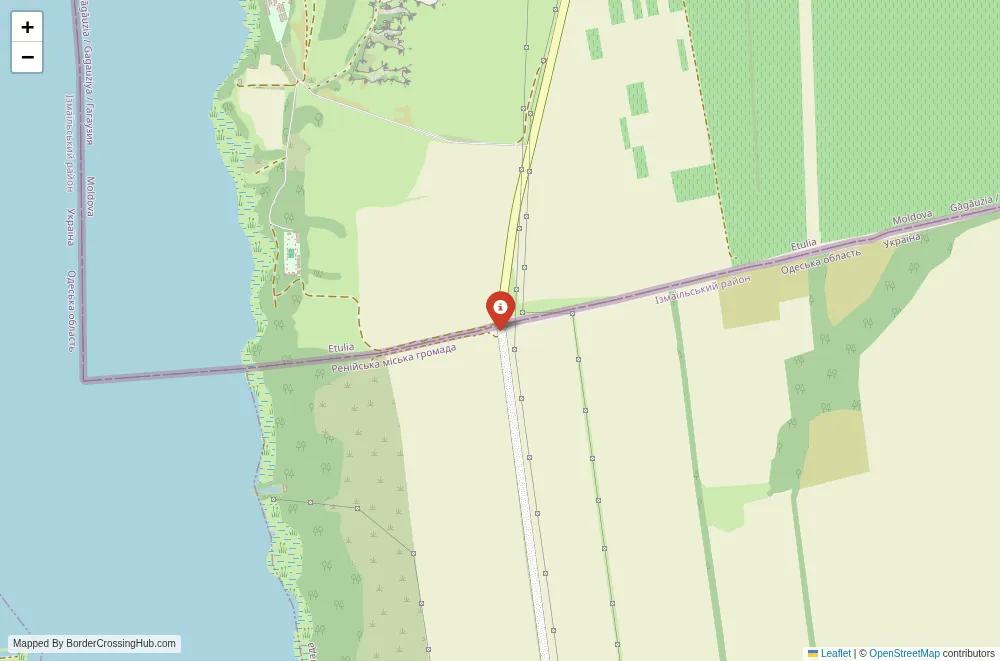
Approximate Border Location
Wait Times
Cars 30-120m; peaks 180-420m
Just crossed? Tap to report:
Operating Hours
06:00 AM-10:00 PM
Crossing Types
Ped,cars; border controls
Border Type
Land crossing via road (regional)
Peak Times
08:00-10:00 AM; 04:00-07:00 PM
Daily Crossings
500-2,500/day
Currency Exchange
MDL; UAH; some EUR; ATMs scarce
Safety Information
Rural post; limited services nearby
Languages Spoken
Moldovan/Ukrainian
Accessibility Features
Uneven approaches; minimal ramps
About Białowieża‑Pierarova & Białowieża
Monthly Update (March 2026):
As of 03/2026, the Białowieża-Pierarova & Białowieża Border Crossing remains largely restricted and quiet. Movement is minimal, with border control presence more visible than traffic itself. Occasional authorized crossings happen but not on a regular public rhythm. Policy changes or regional developments can shift the situation quickly.
No Cell Service at the Border? No Problem.
Don’t get caught scrambling for paperwork when you lose signal. Download the complete Europe Transit Guide directly to your device and access every critical detail, fast-track strategy, and border rule – 100% offline.
The Białowieża-Pierarova border crossing cuts straight through the ancient Białowieża Forest, a transboundary UNESCO World Heritage site shared between Poland and Belarus, once offering a rare pedestrian and bicycle path that let nature lovers step from one country’s national park into the other’s without vehicles or long detours.
Alternative Names
This point goes by Białowieża-Pierarova, Piererow-Białowieża, Pererov-Bialowieza, Pierarova-Białowieża, or simply the forest pedestrian crossing in the Białowieża/Belovezhskaya Pushcha area.
Current Status and Safety Note
As of February 2026, the crossing stays closed indefinitely. Poland suspended operations at Białowieża (along with Rudawka pedestrian and several road/rail points) starting January 6, 2026, for temporary security reasons connected to ongoing migration pressures, hybrid threats, and regional tensions. Official Polish Border Guard sources list it among suspended points, with reviews every 30 days but no reopening signaled yet. Only a few crossings remain active, like Kukuryki-Kozlovichi for limited traffic. Geopolitical factors make the entire Poland-Belarus frontier unpredictable; closures can happen abruptly. The restricted buffer zone (extended multiple times, covering sections near Białowieża) limits access to areas within 200 meters to 2 kilometers of the border in places, with patrols, barriers, cameras, and razor wire in use. Foreign travelers face serious risks from pushbacks, detention, or hazards in militarized zones. Check granica.gov.pl (Polish Border Guard) and gpk.gov.by (Belarusian State Border Committee) for live updates, plus your government’s travel advisories. Avoid the green border or forested approaches entirely while closed.
Historical Background
The crossing opened in the post-Soviet years to encourage eco-tourism and local ties across the primeval forest, which has protected status stretching back centuries as a royal hunting ground under Polish-Lithuanian, then Russian imperial rule. UNESCO inscribed the Polish Białowieża National Park in 1979, extending it to Belarus’s Belovezhskaya Pushcha in 1992 for its unbroken ecosystem of ancient oaks, diverse wildlife, and rare species. The pedestrian link formalized cooperation in managing the shared heritage, allowing day visitors to experience both sides. It gained popularity among hikers and cyclists in the 2010s, with simplified rules for tourists holding valid visas. Tensions from 2021 onward, including engineered migration flows and border fortifications, led to restrictions and eventual full closure, shifting the area’s focus from nature access to security.
Geopolitical and Economic Role
Designed for low-volume, non-commercial use, this point boosted cross-border nature tourism, supporting local economies through guided walks, bike rentals, and park entries rather than trade volumes. It symbolized environmental collaboration in a politically divided region. For foreign visitors, it provided direct immersion in Europe’s last large lowland primeval forest, home to European bison, lynx, and over a thousand tree species. Geopolitical strains since the 2021 migration crisis turned the border into a fortified line, with Poland’s Eastern Shield project adding barriers and infrastructure, sidelining the crossing’s original purpose.
Operating Hours and Wait Times
When operational in the past, it followed seasonal daylight hours: October 1 to March 31 from 8:00 a.m. to 6:00 p.m. Polish time, and April 1 to September 30 from 8:00 a.m. to 8:00 p.m. Waits remained short due to pedestrian-only traffic, often quick checks for small groups or individuals. Current closure eliminates any queues or operations.
Crossing Procedures
This served pedestrians and cyclists exclusively; vehicles parked on the Polish side in Białowieża or nearby Gródki. You walked or cycled the short forest trail between checkpoints.
Polish side handled exit formalities for EU/Schengen citizens (no visa needed for Poland); Belarus required visas for most foreigners (e-visa available online, or consulate in Białystok for some). Officials checked passports, visas, and basic customs declarations, asking about travel intent (usually tourism in the forest). The process took 15 to 45 minutes when active, with occasional group arrangements for eco-tours. No freight or motor vehicles allowed.
Transportation Options
On the Polish side, reach Białowieża by bus or car from Hajnówka (short ride) or Białystok (longer, about 1-2 hours through rural Podlasie). Park and proceed on foot or bike. Belarusian Pierarova connects to nearby villages like Pruzhany. When open, the forest path linked the two directly. No public transport crossed; onward relied on local taxis or buses. Rural roads to the area stay paved but quiet, surrounded by woodland and fields.
Scams and Warnings
Low passenger volume kept scams rare historically; occasional overpriced local guides or poor exchanges near Białowieża appeared. Now, with closure and militarization, major risks involve attempting unofficial crossings: detention, pushback to Belarus, exposure in the forest, or encounters with patrols. Migration incidents, including deaths from cold or violence, highlight dangers. Avoid touts, unofficial paths, or border zones. Political sensitivities remain high; stay neutral and follow authorities.
Nearby Attractions and Side Trips
The Białowieża Forest dominates: Polish side offers trails, bison show reserves, museums on natural history, and wooden village architecture in Białowieża town. Belarusian Belovezhskaya Pushcha features similar paths, monuments, and seasonal attractions like Ded Moroz residence. Both parks provide birdwatching, hiking among ancient trees, and wildlife spotting. The route suits nature-focused travel, with quiet countryside villages nearby.
Seasonal Factors and Weather
Forest conditions shift with seasons: winter snow enhances scenery but creates slippery paths and cold waits; summer insects and humidity affect comfort; spring/autumn bring mild weather, blooming flora, and active animals. Closures stem from politics over weather, though fog or storms would complicate any future use.
Practical Tips
Track official border sites frequently for changes. Secure Belarus visas/docs well ahead if reopening occurs. Carry cash for rural needs, as cards limit options. Use offline maps for forest areas. Focus on Polish-side park activities as alternatives. Prepare backups like travel to other regions if borders stay shut. Verify all documents thoroughly.
Final Notes on This Forest Crossing
Given the ongoing closure and fortified border realities, view Białowieża-Pierarova as unavailable for the foreseeable future; rely on official sources and prioritize safety. It remains a compelling concept for peaceful nature passage when geopolitical conditions allow. Safe travels in the meantime.
No reviews yet.