
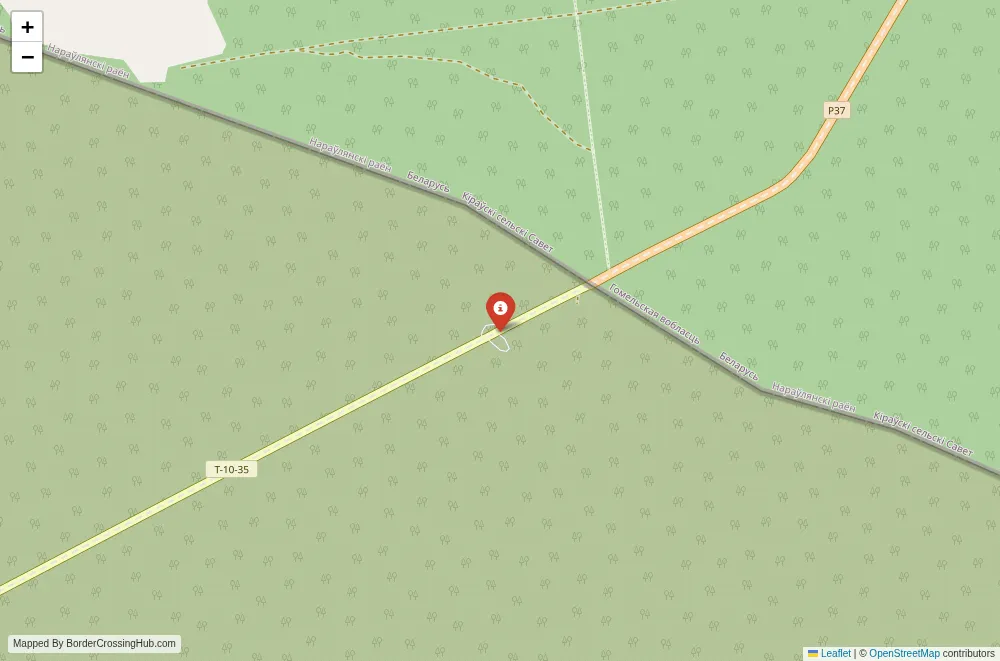
Approximate Border Location
Wait Times
Closed/very limited; delays 240-720m if open
Just crossed? Tap to report:
Operating Hours
Hours variable; check before travel
Crossing Types
Ped,cars if permitted; full controls
Border Type
Land crossing via rural road
Peak Times
N/A; restricted route
Daily Crossings
0-150/day
Currency Exchange
BYN; UAH; some USD; ATMs scarce
Safety Information
High security; restrictions likely
Languages Spoken
Belarusian/Ukrainian
Accessibility Features
Minimal; uneven approaches
About Beregsurány & Luzhanka
Monthly Update (March 2026):
As of 03/2026, the Beregsurány & Luzhanka Border Crossing stays busy and somewhat variable. Cars and small vans line up regularly, especially heading into Hungary during afternoon hours. Waits can stretch when inspections tighten or traffic builds. Weekend travel and cross-border visits often add extra vehicles.
No Cell Service at the Border? No Problem.
Don’t get caught scrambling for paperwork when you lose signal. Download the complete Europe Transit Guide directly to your device and access every critical detail, fast-track strategy, and border rule – 100% offline.
The Beregsurány-Luzhanka border crossing stands out among Hungary-Ukraine land points for its round-the-clock operation and position on a key route in the Zakarpattia region, connecting the Hungarian town of Beregsurány directly to the Ukrainian village area of Luzhanka near Astei in Berehove Raion.
Location and Basic Connections
You find this crossing along the E50/M24 highway corridor, linking Beregsurány in Hungary’s Szabolcs-Szatmár-Bereg County to Luzhanka on the Ukrainian side in Zakarpattia Oblast. It serves as a primary route for travelers moving between Hungary and western Ukraine, with good access from Nyíregyháza or Debrecen in Hungary and Berehove or Mukachevo in Ukraine. Buses from Budapest or Debrecen reach the Hungarian side in several hours, while on the Ukrainian side, local transport or taxis cover short distances to nearby towns. The point handles passenger vehicles, light cargo up to 7.5 tons, and some heavier empty trucks under recent rules, making it a practical choice for overland trips.
Historical Background
This crossing reflects the complex history of the Carpathian borderlands, part of the former Kingdom of Hungary’s Bereg County for centuries before post-World War I treaties redrew lines. The area has long featured mixed Hungarian, Ukrainian, and other communities, with cultural ties persisting across the frontier. Post-Soviet independence, it became an international point supporting regional trade and family visits in Zakarpattia. EU-funded projects in recent years upgraded infrastructure here, emphasizing its role in transport links. Modernization efforts, including ongoing work through 2026 backed by the EU and European Investment Bank, aim to boost capacity amid growing cross-border flows.
Current Status and Safety Warnings
The crossing operates normally as of early 2026, with no major disruptions reported beyond typical traffic variations. It remains open 24 hours for international passenger and limited cargo traffic. While generally straightforward compared to some eastern Ukraine borders, watch for occasional queues during peak travel periods or holidays. Past incidents at Luzhanka involved scams where individuals posed as helpers to extract money for “fast” processing or fake services. Travelers have noted persistent touts offering currency exchange at bad rates or pushing unnecessary transport. Crowds can lead to petty theft risks in waiting areas. Approach with standard caution: use official lanes, avoid unofficial assistants, and monitor your belongings. Check real-time queue info from Hungarian police or Ukraine’s border service before heading out.
Operating Hours and Wait Times
This point runs continuously from 00:00 to 24:00 daily. Processing usually takes 30 minutes to a couple of hours, depending on day and time—shorter midweek mornings, longer on weekends or evenings. Recent expansions for empty heavy vehicles (over 7.5 tons) have added some flow, but passenger lines remain the main focus. Electronic queue systems for certain vehicles help manage heavy traffic at times.
Visa Requirements for Foreign Visitors
Hungary, as part of the Schengen Area, grants visa-free entry for many nationalities up to 90 days (check your passport rules). Ukraine allows visa-free stays for citizens of numerous countries, typically 90 days within 180, with e-visas available if needed. At this land crossing, standard entry/exit stamps apply; no special restrictions noted for foreigners beyond general rules. Confirm current bilateral policies, especially if transiting amid regional events.
Crossing Procedures Step by Step
You drive or walk through (pedestrians possible but less common). From Hungary at Beregsurány, clear exit checks including customs and border control. Cross the short bridge or road segment into no-man’s-land, then enter Ukrainian facilities at Luzhanka for entry stamp, possible customs declaration, and vehicle inspection. The reverse applies leaving Ukraine. Facilities include basic booths, scanners, and areas for luggage checks. Recent upgrades have improved flow.
Transportation Options
Buses run regularly from Hungarian cities like Debrecen or Nyíregyháza to the border, with connections onward to Berehove or Mukachevo. Private cars offer flexibility on paved highways. Taxis or shared rides cover local legs. On the Ukrainian side, marshrutkas or taxis link to regional hubs. Avoid unofficial drivers pushing high fares; stick to established stops or apps where available.
Road Conditions and Scenery
The approach highways stay well-maintained on both sides, with flat to gently rolling terrain through agricultural fields and small villages. Hungarian side features open plains toward Nyíregyháza, while Ukraine’s Zakarpattia offers glimpses of Carpathian foothills. Scenery includes farmland, vineyards, and occasional wooded patches typical of the region.
Nearby Attractions
Beregsurány sits close to Berehove (Beregovo), a town with Hungarian cultural influence, thermal baths, and markets selling local wines and produce. Mukachevo, about 30-40 km away in Ukraine, draws visitors to Palanok Castle and historic sites. On the Hungarian side, Nyíregyháza offers zoos and museums. The area ties into Zakarpattia’s wine routes and Carpathian nature spots farther south.
Seasonal Variations and Weather Impacts
Year-round operation helps, but winter snow or fog can slow rural approaches, while summer holidays increase crowds and waits. Rain rarely halts things but may extend processing if vehicles queue up. Peak seasons around Christmas or summer vacations see longer lines.
Practical Travel Tips
Bring euros or forints for Hungarian side, hryvnia or cards for Ukraine (USD/EUR accepted for some fees). Declare goods properly to avoid fines. Arrive early for shorter waits. Use official currency exchange if needed. Keep passport and documents handy. For safety, travel in daylight if possible and ignore persistent helpers. Check live border cams or apps for queues.
Cultural and Economic Role
This point supports strong ties in the Hungarian-minority populated Zakarpattia, facilitating family visits, trade in agricultural goods, wine, and consumer items. It serves as an economic artery for local communities and regional logistics, reflecting the blended heritage of the border zone.
Wrapping Up Plans for This Crossing
Beregsurány-Luzhanka offers a reliable, 24/7 option for Hungary-Ukraine travel when you prepare for potential waits and stick to official procedures. Monitor updates from border authorities and go with realistic timing. Safe crossing ahead.
No reviews yet.