
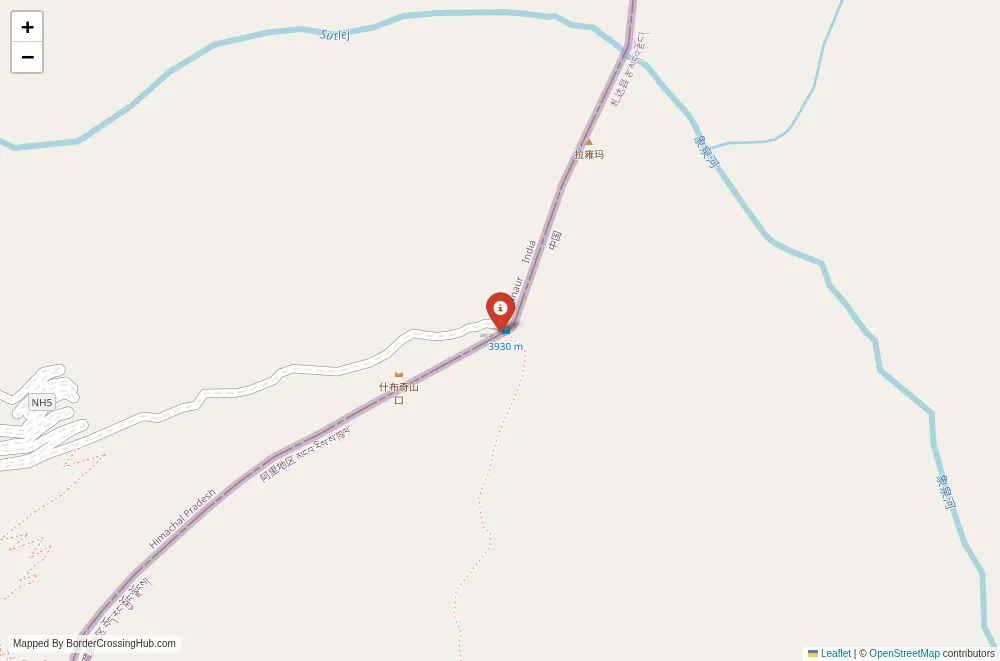
Approximate Border Location
Wait Times
Closed/limited; delays 240-720m if open
Just crossed? Tap to report:
Operating Hours
Seasonal; permit-only
Crossing Types
Military/permit traffic; no public crossing
Border Type
Land crossing via high-altitude pass
Peak Times
Summer days; weather windows
Daily Crossings
0-50/day
Currency Exchange
INR; CNY not at border; cash in towns
Safety Information
High-altitude; access controlled
Languages Spoken
Hindi, Chinese, English
Accessibility Features
Not accessible; extreme terrain
About Banbasa & Kanchanpur
Monthly Update (March 2026):
As of 03/2026, the Banbasa & Kanchanpur Border Crossing stays fairly active with steady pedestrian and vehicle movement. Locals cross throughout the day, and small lines sometimes form on the Indian side during afternoon travel. Mornings usually pass quicker. Market visits and daily commuting keep the crossing busy.
No Cell Service at the Border? No Problem.
Don’t get caught scrambling for paperwork when you lose signal. Download the complete Asia Transit Guide directly to your device and access every critical detail, fast-track strategy, and border rule – 100% offline.
The Banbasa-Kanchanpur border crossing (also known as Banbasa in India’s Uttarakhand state and Kanchanpur or Mahendranagar in Nepal’s Sudurpashchim Province) connects the town of Banbasa in Champawat district to the Nepalese border town of Mahendranagar in Kanchanpur district. You cross here when traveling overland from northern India toward western Nepal, often en route from Delhi or Tanakpur to Kathmandu, Dhangadhi, or Nepalgunj. The crossing lies along the Sharda River (also called Mahakali), with a bridge facilitating vehicle and pedestrian movement in a region where trade and family ties have long spanned the frontier.
Location and Connections
Banbasa sits about 15 kilometers from Tanakpur in Champawat district, Uttarakhand, reachable via National Highway 9 from Tanakpur or farther from Haldwani and Delhi. Kanchanpur (Mahendranagar) lies immediately across the river, serving as the gateway to Nepal’s far-western region, with onward roads to Dhangadhi (about 50 kilometers), Nepalgunj, and eventually Kathmandu. The bridge over the Sharda River handles two-way traffic, with immigration posts on both banks and a short neutral zone. The surrounding area features the Terai plains, fertile farmland, and the nearby Sharda Barrage, which regulates water for irrigation on both sides. No rail connection exists directly; the route relies on road transport amid flat but sometimes flood-prone terrain.
Historical and Geopolitical Background
The India-Nepal border stretches 1,751 kilometers, largely open and defined by the 1816 Treaty of Sugauli and subsequent agreements. Banbasa-Kanchanpur developed as a trade and transit point after India’s independence, with the bridge constructed in the mid-20th century to support cross-border commerce. The crossing has long facilitated the movement of people and goods, including agricultural produce, timber, and consumer items, in a region where ethnic Tharu, Rana, and other communities live on both sides. The open border policy under the 1950 India-Nepal Treaty of Peace and Friendship allows citizens of both countries to cross without visas, though formal checkpoints enforce customs and security checks. Occasional tensions arise from water-sharing disputes over the Sharda River or border encroachments, but the crossing generally remains stable. Fun fact: the Sharda Barrage, built in the 1920s, irrigates vast areas in both countries, making water management a shared concern that influences local relations at the border.
Current Status and Operating Hours
As of early 2026, Banbasa-Kanchanpur operates normally for pedestrians and vehicles, with no major closures reported recently. The crossing functions daily, typically from 7:00 a.m. to 6:00 p.m. (with some flexibility for locals), though peak hours see longer queues due to trade and passenger traffic. Monsoon season (June to September) brings flood risks from the Sharda River, occasionally disrupting access or requiring temporary closures. Winter mornings can be foggy, but the pass stays open year-round except in extreme weather. Security remains present, with Indian Sashastra Seema Bal (SSB) and Nepalese Armed Police Force (APF) conducting checks. Verify current conditions through local administration, MEA advisories, or traveler forums, as river levels or occasional disputes can affect operations.
Crossing Procedures Step by Step
You handle exit and entry on both sides. From India to Nepal: at the Banbasa Indian post, present your passport or voter ID (for Indian citizens) for exit stamp or registration, then proceed to customs for any goods declaration. Walk or drive across the bridge to Kanchanpur Nepal immigration for entry stamp (Nepali citizens cross freely; foreigners need visa or visa-on-arrival). Reverse from Nepal: Nepal exit stamp followed by Indian entry (possible customs check for restricted items). Procedures include manual verification, bag scans, and questions on purpose. Wait times range from 15 minutes to over an hour during busy periods or vehicle queues. Foreigners report straightforward processing, though expect extra scrutiny for goods or extended stays.
Visa Requirements for Foreign Visitors
Indian and Nepali citizens cross without visas under the 1950 treaty, using ID cards or voter IDs. Foreigners entering Nepal from India receive visa-on-arrival at land borders (15 days for $30 USD, 30 days for $50 USD, 90 days for $125 USD; payable in cash, USD preferred). Bring passport photos and exact fees. Passports need six months validity. India requires no visa for Nepali citizens but may check foreigners for onward permits if traveling deeper into restricted areas. Confirm via embassies or official portals, as fees and rules remain stable but enforcement varies.
Transportation Options and Road Details
From Delhi, trains or buses reach Tanakpur (overnight journey), then shared jeeps or taxis cover the short distance to Banbasa. From Kanchanpur, buses or shared taxis go to Dhangadhi, Nepalgunj, or Kathmandu. Private cars cross freely for citizens; foreigners may need vehicle permits. Roads from Tanakpur stay paved and good; Nepal side includes highways with occasional rough patches. Monsoon flooding can delay travel. Full Delhi-Kathmandu route takes 2-3 days with border time. Daylight journeys preferred for safety and visibility.
Scams and Safety Warnings
Common issues include inflated taxi fares near Tanakpur or poor exchange rates at unofficial changers (use banks or ATMs). Some travelers report aggressive touts offering transport or “help” with forms. The area remains generally safe for transit, but petty theft occurs in crowds. Nepal’s far west has occasional political unrest or strikes; monitor news. Avoid unofficial river crossings. Register with embassies if staying longer.
Nearby Attractions and Practical Tips
Banbasa offers Sharda River views and proximity to Tanakpur’s Purnagiri Temple. Kanchanpur leads to Shuklaphanta National Park (wildlife safaris) or Dhangadhi markets. Carry INR/NPR cash, water, snacks, sunscreen, and passport copies. Start early; have backups like Sunauli if needed.
Final Notes for Planning
Banbasa-Kanchanpur delivers straightforward access between India and Nepal’s western region with simple procedures and open-border ease for citizens. Confirm status, prepare visas/fees, and time travel for daylight. With basics handled, it provides reliable passage across this riverine frontier. Safe travels.
No reviews yet.