Monthly Update (September 2026):
Badou and Wli remains a small Ghana-Togo crossing serving the mountainous Volta region. Ghana Immigration currently lists the Wli Afe border post among its official posts in the region, confirming that this is an established frontier rather than simply an informal local route. No significant September closure or disruption has been identified. Because the crossing is remote and the surrounding roads are less developed than the Aflao corridor, travelers should confirm operating arrangements before making the journey.
About this crossing
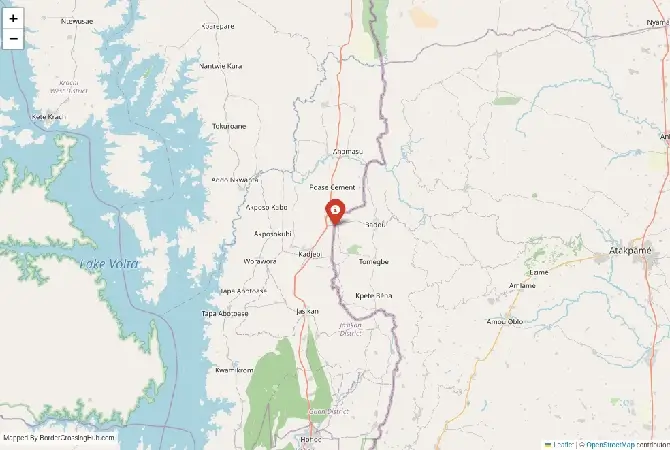
Wli sits on the Ghana side near the Agumatsa Wildlife Sanctuary and its towering waterfalls. Badou lies just across on the Togolese side. The posts stand close together with a short no-man's-land area, so you walk or take a quick local ride. From Ho in Ghana, shared transport reaches Wli in ## About two hours. Once cleared into Togo, you continue toward Kpalimé in roughly one to two hours more depending on the vehicle. The landscape features green hills, cocoa farms, and dense vegetation that feels cooler and more forested than the coastal plains.
Historical Background
This small crossing reflects the colonial-era split of the Ewe people whose lands straddle the Ghana-Togo line. Communities on both sides maintained family and trade ties despite the official boundary. The area around Wli and Badou stayed relatively peaceful even during periods of political tension in Togo.
Nearby Border Crossings




Unlike the busy Aflao-Kodjoviakopé post farther south, Wli-Badou handles mostly local traffic and occasional tourists heading to or from the waterfalls. It never developed into a major customs point, which keeps procedures simpler but also means fewer facilities. Occasional security concerns in Togo have kept some travelers away, yet the crossing itself usually stays calm.
Crossing Procedures
You complete exit formalities on the departure side before entry on the arrival side. From Ghana to Togo, clear Ghanaian immigration and any customs at Wli, cross the short zone, then handle Togolese checks at Badou. The process works in reverse when heading back.
Foreign visitors need a valid passport. Visa requirements depend on your nationality. Many ECOWAS citizens move with minimal paperwork, while others need visas in advance or may get them on arrival. Yellow fever vaccination proof gets checked. Officials stamp passports and may ask basic questions or inspect bags lightly. Have small amounts of Ghanaian cedis or CFA francs ready for any minor official fees.
The setup uses basic buildings on each side. Keep your documents organized. Some older reports mention staff needing help with forms or stamps, so stay patient and polite if they ask for assistance filling details.
Wait Times and Seasonal Factors
Processing usually takes 30 to 90 minutes total on each side under normal conditions. Early mornings often bring the quickest movement since fewer people cross. Afternoons can slow down if local traders or groups arrive.
Rainy season from May to October affects the hilly roads with mud and occasional flooding, which can delay vehicles approaching the border and indirectly lengthen lines. Dry months offer better conditions but bring more dust on unpaved sections. This minor post sees far less traffic than Aflao, so queues rarely grow long. Travelers sometimes clear everything in under an hour when arriving early.
Transportation Options
Shared taxis or minibuses run from Ho to Wli for reasonable fares and take around two hours. The road includes paved and unpaved stretches with some hills and curves. After crossing into Togo at Badou, shared taxis or motorcycle taxis head toward Kpalimé in one to two hours.
Motorcycle taxis frequently cover the immediate border area for a small fee. Roads on the Togolese side toward Kpalimé stay mostly decent but can develop potholes after heavy rains. Many people combine a visit to Wli Waterfalls with this crossing for a direct route into Togo's interior. Independent travel works well here since the distance remains short.
Scams & Warnings
This quiet crossing sees fewer large-scale scams than busier posts, yet unofficial payment requests still appear occasionally. Reports mention touts offering to help with stamps or forms for extra fees. Some travelers describe staff struggling with paperwork and asking for small "assistance" in cash or tips.
On the Ghana side near Wli Falls, security patrols sometimes stop people who wander too close to the unmarked boundary, threatening fines or escort to the main Aflao post unless payment appears. Stick strictly to the official crossing point and avoid any unofficial paths. Decline unsolicited help from anyone not in uniform.
Money changers at the border usually give poor rates; handle exchanges in Ho or Kpalimé instead. Keep valuables secure and travel during daylight. Travelers have shared stories of long negotiations over minor paperwork or surprise fees. Ask calmly for clarification or receipts if anything feels off. The area mixes local daily crossings with tourist traffic, so clear awareness helps you pass without extra costs.
Nearby Attractions and Local Life
Wli draws most visitors for the Upper and Lower Wli Waterfalls, the tallest in West Africa, where water drops dramatically into a pool surrounded by cliffs and rainforest. You can hike or swim there on the Ghana side. The town itself offers basic guesthouses, small eateries, and a peaceful atmosphere with views of the hills.
Badou on the Togolese side serves mainly as a transit point with limited services but connects quickly to Kpalimé, known for its cocoa production, waterfalls, and relaxed vibe. The border zone shows everyday local life with farmers carrying produce and families visiting relatives across the line. The green, hilly setting provides a refreshing contrast to coastal routes.
Practical Travel Tips
Prepare documents early: passport with enough validity, yellow fever card, and any required visa or proof of onward travel. Carry small-denomination cedis and CFA francs for transport and possible fees. Dress simply and stay patient if staff need time with forms.
Check current road conditions before departure since rain can make hilly sections slippery. Travel during daylight to avoid issues on remote parts. If driving your own vehicle, confirm all papers and insurance cover both countries. Bring water and snacks because even short waits can feel long in the heat or humidity.
Groups sometimes share taxis from Ho for better rates. Confirm the exact status of this minor crossing locally, as smaller posts can have occasional restrictions. Check official sources for the latest entry rules, which can change.
Planning Your Crossing
The Wli-Badou border works as a convenient minor link for travelers already in the Volta Region and heading into Togo's Plateaux area. Allocate enough time, verify visa and entry details from official channels shortly before travel, and deal directly with staff.
Many locals cross regularly for family and trade, while tourists use it after visiting the waterfalls. Your experience depends on timing, weather, and how you manage the basic procedures. Review conditions close to your trip date because security or administrative changes can occur. With preparation, you handle the formalities and continue into Togo's greener interior without major issues.
View all border crossings between Ghana and TogoPractical information
Fuel
Ghana: 2 km - Togo: 2 km
Currency
GHS,XOF informal
Safety information
Calm rural crossing
Connectivity
Local roads, taxis
Have you crossed here?
Help other travelers by sharing your experience, wait times, and any updates.