
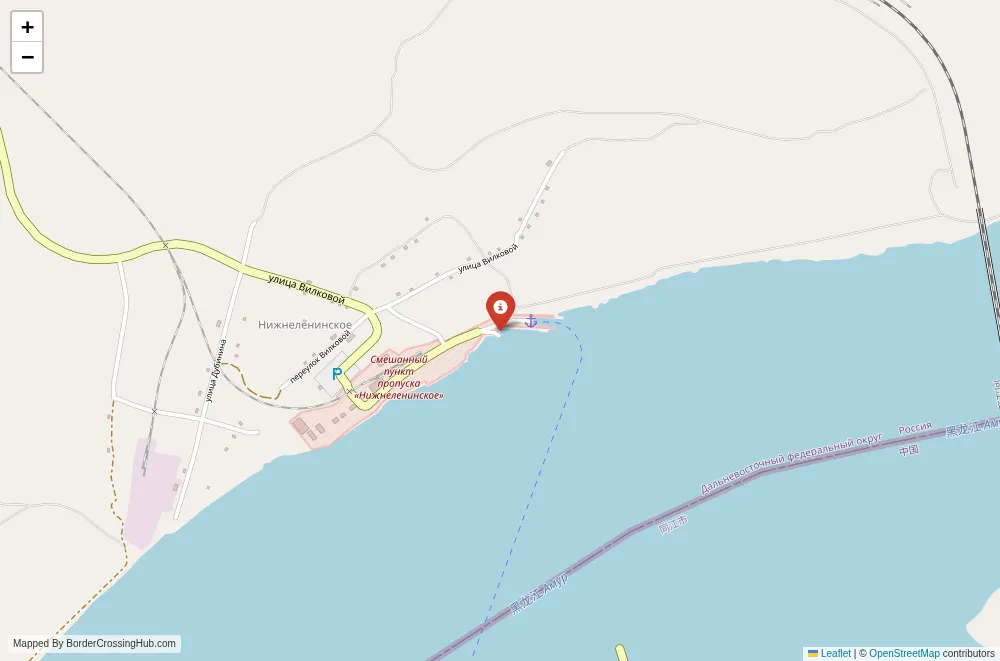
Approximate Border Location
Wait Times
Trucks 60-240m; peaks 240-720m
Just crossed? Tap to report:
Operating Hours
08:00 AM-08:00 PM
Crossing Types
Freight typical; passenger access varies
Border Type
Border crossing via rail bridge
Peak Times
Mon-Fri 09:00 AM-01:00 PM
Daily Crossings
300-3,000/day
Currency Exchange
CNY; RUB; USD common; ATMs limited
Safety Information
Remote river route; weather delays possible
Languages Spoken
Mandarin, Russian, English
Accessibility Features
Basic; uneven approaches
About Aswan–Nile Ferry & Wadi Halfa
Monthly Update (March 2026):
As of 03/2026, the Aswan–Nile Ferry & Wadi Halfa Border Crossing follows the rhythm of ferry departures across Lake Nasser. Travelers and vehicles gather ahead of sailings, then the lines clear once boarding begins. The Sudan side can take longer during document checks. Ferry schedules and weather on the lake shape the pace.
No Cell Service at the Border? No Problem.
Don’t get caught scrambling for paperwork when you lose signal. Download the complete Africa Transit Guide directly to your device and access every critical detail, fast-track strategy, and border rule – 100% offline.
The Aswan–Wadi Halfa ferry traces a historic route along the Nile and across Lake Nasser, linking southern Egypt with northern Sudan in one of the few remaining passenger water crossings between the two countries. You choose this option when seeking an overland path from Aswan toward Khartoum or other Sudanese destinations, often combining it with onward train or bus travel from Wadi Halfa. Alternative names include the Nile Valley Ferry, Lake Nasser Ferry, or simply the Aswan-Wadi Halfa boat service.
Location and Basic Connection
Aswan sits in Upper Egypt on the Nile’s east bank, while Wadi Halfa occupies the northern tip of Sudan along Lake Nasser (the Sudanese call it Nubian Lake). The ferry departs from a port near the Aswan High Dam, sails south across the vast reservoir formed by the dam, and arrives at Wadi Halfa’s landing point after navigating open water for most of the journey. This route covers around 500 km, mostly over lake waters that submerged ancient Nubian sites when the dam was built in the 1960s-70s.
Historical Background
The ferry revives a long-standing Nile link disrupted by the Aswan High Dam’s creation, which flooded communities and forced relocations on both sides. Service ran sporadically for decades but halted around 2019 due to technical issues, high costs, and later Sudan’s conflict. In January 2026, authorities announced resumption after a six-year break, with the Nile Valley River Navigation Authority completing preparations and the “Sinai” vessel ready for passenger service. Geopolitically, it symbolizes renewed people-to-people ties amid efforts to stabilize cross-border movement, though Sudan’s broader instability keeps the route sensitive.
Current Operating Status
As of February 2026, the ferry has resumed operations following the January announcement, with scheduled voyages between Aswan and Wadi Halfa. It runs weekly or bi-weekly (historically often Sundays, sometimes Thursdays before halts), though exact timetables can shift. Departures from Aswan typically occur in the afternoon (around 2-4 PM after morning train arrival), with the full trip taking 18-24 hours. The service supports passengers and limited vehicles via separate barge (which may take 2-3 days). Check official Nile Valley River Navigation Authority updates, embassies, or recent traveler reports for schedules, as Sudan’s security situation influences continuity. Many governments advise against all but essential travel to Sudan due to armed conflict and unrest.
Practical Crossing Procedures
You board in Aswan after Egyptian exit formalities at the port or nearby immigration. The ferry crosses to Sudanese waters, where entry happens upon arrival in Wadi Halfa. Sudan requires a pre-obtained visa for most foreigners (often arranged in Aswan or Cairo; visa-on-arrival rare here), plus registration with police within 3-4 days of entry (easy in Wadi Halfa). Bring passport, visa docs, proof of accommodation/onward travel, and cash. Egyptian departure involves stamps and possible fees; Sudanese side includes checks and sometimes a small departure tax on exit later. The boat has basic cabins (first/second class), deck space, and limited food; bring your own supplies.
Wait Times and Peak Periods
Boarding and checks can take 1-3 hours in Aswan, with arrival processing in Wadi Halfa adding time. Schedules vary, so arrive early (train from Aswan to port leaves around 7:15 AM on departure days). Peaks occur during migration seasons or when service restarts, drawing Sudanese returnees. Delays stem from loading, customs, or operational issues rather than crowds.
Transportation Options
From Aswan city, take a morning train or bus to the High Dam port. The ferry handles passengers directly; vehicles use a separate barge (costly and slower). In Wadi Halfa, a weekly train runs to Khartoum (long and basic), or buses/shared taxis head south. No direct road alternative exists due to Lake Nasser; the ferry remains the primary overland link.
Scams and Safety Warnings
The ferry itself draws few scams, but Aswan touts may push overpriced “help” with tickets or transport; ignore and head to official counters. In Wadi Halfa, registration processes stay straightforward, but overcharging for small services occurs. Sudan’s volatile security (armed conflict, civil unrest) makes travel risky beyond the border area; many advise against going farther south. The boat journey feels isolated on open water, so prepare for basic conditions and no quick assistance if issues arise.
Route Details and Scenery
The trip starts on the Nile near Aswan, then enters Lake Nasser’s wide expanse with submerged temples visible only from memory or old maps. Views include rocky shores, occasional islands, and vast blue water under clear skies. Sunsets over the lake stand out, though much of the journey happens at night. The boat rocks gently on the reservoir, with minimal waves.
Seasonal Variations and Weather Impacts
Year-round service aims for consistency, but hot summers (over 40°C) make deck travel uncomfortable; winter offers milder conditions. Lake levels and wind rarely disrupt, but Sudan’s instability can pause runs. Resumption in early 2026 came during cooler months, aiding initial voyages.
Nearby Attractions
Aswan features Philae Temple, the High Dam, and Nubian villages. Wadi Halfa offers quiet Nubian culture, markets, and remnants of old town sites (much relocated post-dam). From Wadi Halfa, the weekly train to Khartoum passes desert and Nile scenery, though slow.
Cultural and Economic Role
The ferry eases movement for Sudanese workers, families, and traders, boosting cross-border ties. It revives economic links disrupted by conflict, supporting local transport jobs and small commerce in Wadi Halfa. Nubian heritage connects both sides, with shared language and traditions along the historic Nile corridor.
Final Planning Tips
Book tickets early through official channels or agents in Aswan; bring USD/EGP cash, food, water, and entertainment for the long sail. Secure Sudan visa ahead, register promptly on arrival, and monitor advisories. Pack light but for heat/cold shifts. With patience for bureaucracy and schedules, you complete the crossing and continue into Sudan.
Wrapping Up the Ferry
The Aswan–Wadi Halfa ferry delivers a unique Nile-Lake Nasser voyage, blending history with practical border travel. Prep for its quirks and Sudan’s realities, and it becomes a memorable step across this ancient river frontier. Safe journeys.
No reviews yet.