Monthly Update (September 2026):
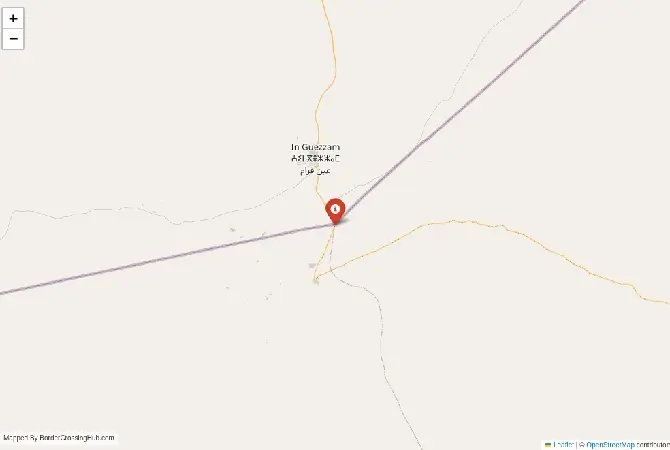
Assamaka & In Guezzam remains the principal Niger-Algeria crossing on the Trans-Saharan route, but it is still a remote and tightly controlled frontier. The crossing is open for international road traffic according to current border information, with the main practical challenge being the enormous desert approach rather than the checkpoint itself. There is no significant September reopening or closure to report. Travelers making the overland journey should plan for the remoteness, fuel and water requirements, and security controls well before reaching the border.
About this crossing
Assamaka lies on the Nigerien side as a small desert settlement with basic facilities. In Guezzam serves as the last Algerian town before the frontier. The two posts sit roughly 15 to 30 kilometers apart, connected by a stretch of road that includes paved sections and sandy diversions. From Arlit in Niger, you reach Assamaka in a few hours along improving roads. Once on the Algerian side, the route continues north on mostly sealed highway with occasional dirt sections. The landscape consists of endless dunes, rocky plains, and extreme desert conditions where temperatures soar during the day and drop sharply at night.
Historical Background
This remote crossing has operated for decades as the main gateway along the historic Trans-Saharan route. The area saw increased activity in the 1980s and 1990s with growing trade and travel between the two countries.
Nearby Border Crossings



In recent years, the border gained attention due to large-scale migration flows and Algerian deportation policies. Thousands of migrants have been expelled from Algeria and left to walk long distances in the desert toward Assamaka, sometimes facing harsh conditions with limited water or support. The crossing reflects broader regional dynamics involving security concerns, smuggling, and efforts to control movement in the Sahel-Sahara zone. Both governments maintain a formal post here despite the isolation and challenges of the environment.
Crossing Procedures
You handle exit formalities on one side before completing entry on the other. From Niger to Algeria, clear Nigerien immigration and customs at Assamaka, cross the desert stretch, then proceed through Algerian checks at In Guezzam. The process reverses when heading south.
Foreign visitors need a valid passport. Algeria requires most nationalities to obtain a visa in advance from an embassy, with very limited on-arrival options at land borders like this one. Niger offers simpler entry or exemptions for many. Officials on both sides check yellow fever vaccination records. Expect thorough passport stamps, vehicle inspections if driving, and questions ## About your purpose of travel. Algerian authorities often conduct detailed security screenings.
For vehicles, you need proper insurance, temporary import documents, or a carnet de passage. The facilities remain basic, with separate posts linked by the road section. Keep all papers organized and ready at every stop.
Wait Times and Seasonal Factors
Processing can take anywhere from one to several hours depending on traffic, staff availability, and security checks. Early morning arrivals sometimes move faster, but the remote location means limited daily volume. Afternoons or periods with deportation convoys can extend waits significantly.
The desert environment dominates conditions year-round. Extreme heat from March to October makes any delay dangerous, with temperatures often exceeding 40°C. Sandstorms can suddenly reduce visibility and halt movement. Cooler months from November to February bring more manageable daytime conditions but cold nights. Road sections may require convoys or escorts due to security protocols. Travelers report clearing in under two hours when prepared and arriving with all documents in order, while others face longer holds during heightened checks.
Transportation Options
From Agadez or Arlit in Niger, shared 4x4 vehicles, bush taxis, or private arrangements reach Assamaka. The road has seen improvements, with tarmac leading closer to the border in places. On the Algerian side from In Guezzam, the Trans-Saharan Highway runs north with paved surfaces for most of the way toward Tamanrasset, though diversions onto dirt tracks occur.
Commercial convoys sometimes operate under military escort between major towns, but independent tourists rarely join them. Motorcycle or vehicle taxis may cover short distances near the posts. Fuel and spare parts remain scarce, so many drivers carry extra supplies. Most overlanders and travelers arrange private or group 4x4 transport for this remote segment, often splitting the journey with stops in Arlit or Tamanrasset.
Scams & Warnings
This crossing carries significant risks beyond standard border hassles. Reports highlight frequent unofficial payment demands, aggressive questioning, and pressure during vehicle or luggage searches. Touts or unofficial helpers may appear offering assistance that leads to extra costs.
The area has a documented history of mass deportations from Algeria, where migrants are sometimes abandoned in the desert and forced to walk long distances to Assamaka in extreme heat, resulting in injuries and deaths. Security forces maintain a heavy presence due to smuggling, trafficking, and past attacks on the isolated Assamaka post. Travelers describe thorough inspections that can feel intimidating, with occasional demands for unofficial fees on stamps or papers.
Stick exclusively to official buildings and uniformed personnel. Decline all unsolicited help. Money changers at the posts give very poor rates; handle exchanges in larger towns like Arlit or Tamanrasset. Keep valuables secure, travel only in daylight with reliable transport, and avoid carrying large amounts of cash visibly. Recent accounts stress the importance of having all documents ready and staying calm during checks. The isolation and desert conditions add real danger if delays occur, so prepare thoroughly and monitor security updates.
Nearby Attractions and Local Life
Assamaka offers very basic services with a few small shops, simple eateries, and limited accommodations mainly for locals and transit travelers. It serves as a lifeline for those arriving from the desert. In Guezzam on the Algerian side functions as a frontier town with army presence, fuel stations, and minimal facilities.
The surrounding Sahara provides dramatic desert scenery, but there are no major tourist sights right at the border. Local life revolves around trade, herding, and supporting cross-border movement in harsh conditions. Most people treat this crossing as a necessary but challenging transit point rather than a place to linger.
Practical Travel Tips
Prepare documents extensively: passport with long validity, Algerian visa obtained in advance, yellow fever card, vehicle papers, insurance, and proof of onward travel. Carry plenty of small-denomination CFA francs or Algerian dinars, plus extra water, food, fuel, and emergency supplies. Dress for extreme temperatures with sun protection and warm layers for nights.
Research current road and security conditions through official channels or reliable overland networks before departure, as situations can change rapidly. Travel with experienced drivers or in groups when possible. If driving your own vehicle, confirm all requirements and consider convoy options where available. Bring satellite communication or reliable offline maps since phone signal may be weak or absent.
Confirm border operating hours locally, as they can be limited in this remote area. Avoid nighttime travel entirely due to security and navigation risks. Check government travel advisories for both countries, which often highlight high risks in border zones.
Planning Your Crossing
The Assamaka-In Guezzam border functions as the essential but demanding official link between Niger and Algeria along the Trans-Saharan route. Allocate substantial time and resources, verify visa and entry requirements from official embassy sources well in advance, and interact only with authorized staff.
Many locals and traders cross for commerce, while overlanders use it to connect North and West Africa. Your passage depends heavily on timing, weather, security protocols, and thorough preparation. Review conditions as close as possible to your travel date because deportation activities, road work, or security measures can introduce sudden changes. With careful planning and respect for the desert environment, you manage the formalities and continue your journey through one of Africa's most remote and challenging border zones.
View all border crossings between Niger and AlgeriaPractical information
Fuel
Niger: <1 km - Algeria: <1 km
Currency
DZD,XOF none onsite
Safety information
Desert, strict control
Connectivity
Convoy routes only
Have you crossed here?
Help other travelers by sharing your experience, wait times, and any updates.